

Dodge D350 Engine Coolant Temperature Sensor Replacement Guide (1984-1993)
If your first-generation Dodge D350 is running rough, guzzling fuel, or overheating, the engine coolant temperature sensor may be the simple fix you need.
- Verify if you need the two-wire ECU sensor for performance issues or the one-wire gauge sender for a dead gauge.
- The sensor's location is different for Cummins diesel engines (rear of head) versus gas V8 engines (top of manifold).
- This is a simple DIY replacement that requires basic tools and less than an hour for most owners.
- Spending a few extra dollars on a reputable aftermarket brand like Delphi or NGK can prevent future headaches.
Is Your D350's Coolant Temp Sensor Failing?
The engine coolant temperature (ECT) sensor is a small but vital part of your truck’s engine management system. When it starts to fail, it sends incorrect information to the engine's computer, which can cause a surprising number of problems. Because these first-generation Dodge trucks are from the pre-OBDII era, you might not get a clear "Check Engine" light, making it important to recognize the physical symptoms.
🎬 Watch: 8 common signs of a failing coolant temperature sensorCommon Symptoms of a Bad ECT Sensor
- Poor Fuel Economy: If the sensor is stuck reading "cold," the computer will continuously send extra fuel, thinking the engine is still warming up. This can cause a noticeable drop in your MPG.
- Black Smoke from Exhaust: A rich fuel mixture that isn't burning completely can exit the tailpipe as black smoke.
- Engine Overheating: A faulty sensor might fail to signal the computer that the engine is getting too hot. On some systems, this can prevent electric cooling fans from turning on or cause incorrect engine timing that leads to overheating.
- Rough Idle or Stalling: With the wrong fuel mixture, your engine can idle poorly, shake, or even stall at low speeds.
- Hard Starting: The wrong fuel and timing adjustments can make the engine difficult to start, whether it's hot or cold.
- Inaccurate Dash Gauge: The temperature gauge on your dashboard may read incorrectly or not move at all.
Important: Gauge Sender vs. ECU Sensor
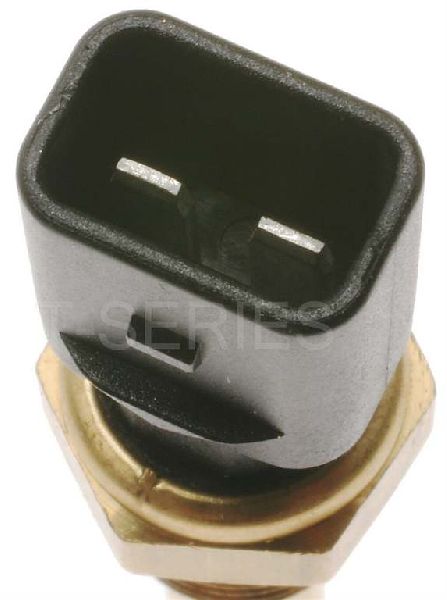
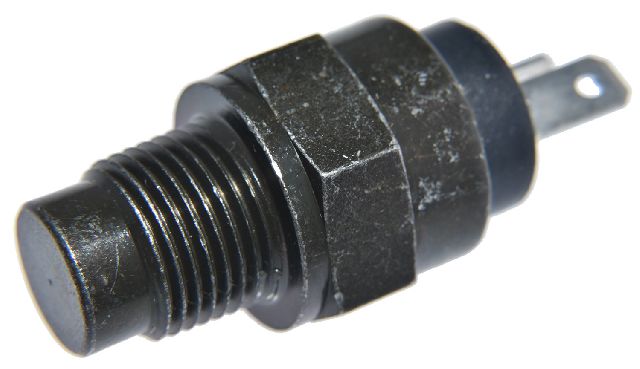
Many 1984-1993 Dodge trucks have two separate temperature sensors. One is a single-wire sensor (a "sending unit") that only operates the temperature gauge on your dashboard. The other is a two-wire sensor that sends information to the engine's computer (ECU). Before ordering, make sure you know which one you need to replace. If your gauge is dead but the truck runs fine, you likely need the sending unit. If you have the performance symptoms listed above, you likely need the main ECT sensor.
Choosing the Right Aftermarket Sensor
While an OEM sensor from Mopar or Cummins is always a safe bet, several quality aftermarket brands are available. For a critical sensor like the ECT, it's often worth avoiding the absolute cheapest options to ensure reliability.
Aftermarket Brand Tiers
- Tier 1 (Premium Aftermarket): Brands like Delphi and NGK/NTK are often original equipment suppliers for major automakers and have a strong reputation for quality and reliability. They are an excellent choice if you want near-OEM performance without the dealer price tag.
- Tier 2 (Standard Aftermarket): Brands such as Standard Ignition (SMP), Four Seasons, and Walker Products offer a good balance of value and quality. They are widely available and are a reliable choice for most repairs. While some forum users have reported occasional issues with entry-level parts from broad-catalog brands, they are generally dependable.
- Tier 3 (Economy): Lower-cost brands like Global Parts, True Tech, and Skyward can get the job done, but may have a shorter lifespan or less precise readings compared to premium brands. They can be a budget-friendly option, but for a sensor that impacts fuel economy and engine health, a Tier 1 or Tier 2 part is recommended.
Pro Tip: Sensor Location
On 5.9L Cummins diesel engines, the ECT sensor is typically found at the rear of the cylinder head on the driver's side. 🎬 See this walkthrough for replacing the sensor on a Cummins diesel On gas V8 engines (5.2L/318, 5.9L/360), it is usually located on the top of the intake manifold, near the thermostat housing. 🎬 Watch: How to replace the sensor on a Dodge 5.2L engine Always confirm the location on your specific engine before starting the replacement.
Cost of Replacing the Engine Coolant Temperature Sensor
| Part Type | Price Range |
|---|---|
| New Aftermarket | $7.31 - $46.64 |
| New OEM (Mopar/Cummins) | $40 - $80 (estimated) |
| Shop Labor | $80 - $150 (estimated) |
Frequently Asked Questions (FAQ)
Do I need to drain all the coolant to replace the sensor?
No, you don't need to drain the entire system. If the sensor is located high on the engine, you will only lose a small amount of coolant during the swap. To minimize loss, have the new sensor ready to install immediately after you remove the old one. Always work on a cold engine and wear safety glasses. Be sure to top off the coolant afterward.
Is this a difficult job to do myself?
No, this is a very DIY-friendly job. The main challenge is usually access to the sensor's location. The process involves disconnecting the electrical connector, using a deep socket wrench to unscrew the old sensor, applying thread sealant to the new sensor, and installing it. The difficulty is about a 1 out of 5.
My temperature gauge is stuck on 'C' (Cold). Is this the right part?
It could be, but you need to diagnose it first. A gauge stuck on cold could be a bad gauge sending unit (the one-wire sensor), a wiring problem, or a bad thermostat that is stuck open. If the truck seems to run fine otherwise, the problem is more likely the sending unit for the gauge, not the main ECT sensor for the computer.
Are there any recalls for the coolant sensor on my D350?
No, searches of the National Highway Traffic Safety Administration (NHTSA) database show no open recalls for the engine coolant temperature sensor on the 1984-1993 Dodge D350.
Helpful Videos
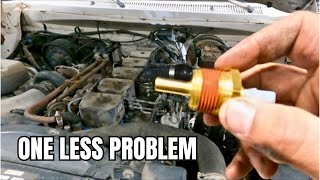
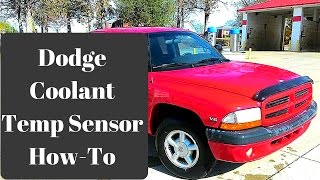

Technical Specifications
OEM Part Numbers: 3920363 (Cummins) 04720314 (Mopar)
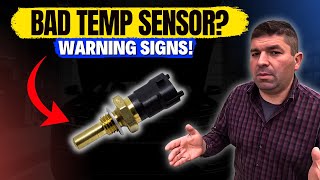
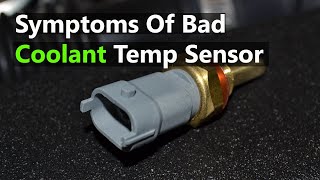
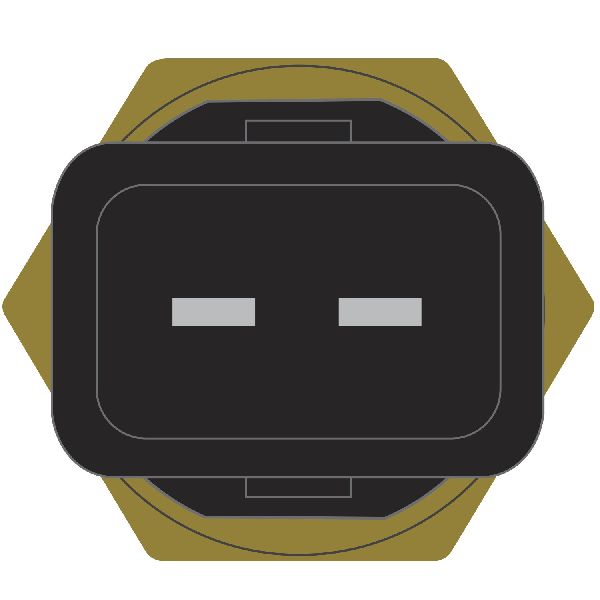
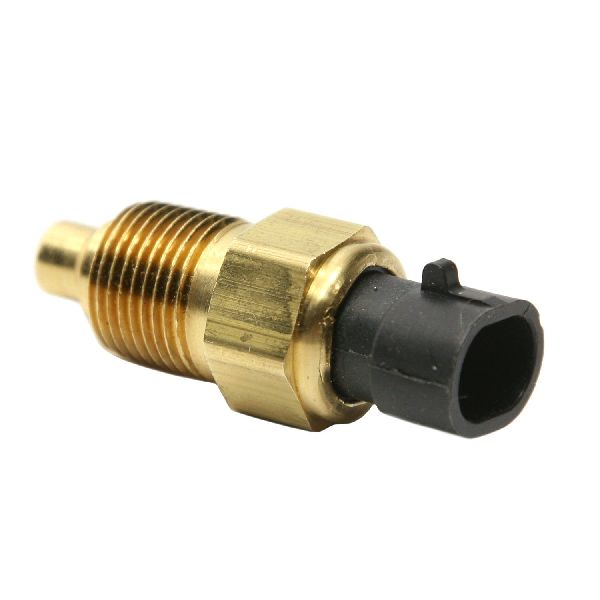
Typically a 2-pin, brass sensor with threaded body. A separate 1-pin sensor is often used for the dash gauge.
We Have This Part in Stock


The information in this article is provided for general reference and educational purposes only. Vehicle specifications, procedures, and part compatibility can vary by production date, trim level, and region. Always consult your vehicle's factory service manual and verify part numbers before purchasing or performing repairs. Safety-critical components such as airbags, seat belts, and braking systems should be installed by a qualified professional.
- Dodge D350:
- 🎬 Helpful Videos
- 🛍️ Shop This Part
- Is Your D350's Coolant Temp Sensor Failing?
- Common Symptoms of a Bad ECT Sensor
- Important: Gauge Sender vs. ECU Sensor
- Choosing the Right Aftermarket Sensor
- Aftermarket Brand Tiers
- Pro Tip: Sensor Location
- Cost of Replacing the Engine Coolant Temperature Sensor
- Frequently Asked Questions (FAQ)
- 🎟️ Get 5% Off