

GMC Jimmy Distributor Cap Guide: 1984-1993 Replacement and Diagnosis
Keep your 1984-1993 GMC Jimmy running smoothly by understanding when and how to replace your distributor cap.
- A failing distributor cap causes misfires, rough idle, and starting problems.
- Always replace the distributor rotor at the same time as the cap.
- Choose a cap with brass terminals for better corrosion resistance and longevity.
- This is a simple DIY job; just be sure to transfer spark plug wires one by one to maintain the correct firing order.
Symptoms of a Failing Distributor Cap
A distributor cap is a wear-and-tear item. Over time, the high voltage causes corrosion and carbon buildup on the terminals, and the plastic cap can crack from heat and age. When it starts to fail, your truck will let you know. Common signs include:
- Engine Misfires: The engine may sputter or shake, especially under load. This happens when spark fails to reach a cylinder consistently.
- Rough Idle: An unsteady idle is a classic symptom of an ignition problem.
- Trouble Starting: A weak or inconsistent spark makes it hard for the engine to fire up, especially in cold or damp weather.
- Stalling: The engine may cut out unexpectedly while driving or at a stop.
- Check Engine Light: On later models with basic diagnostics, a failing cap can sometimes trigger a random misfire code (like P0300).
Known Issue: Moisture and Corrosion
The 4.3L V6 engine, common in these GMC Jimmys, can be prone to moisture building up inside the distributor cap. This moisture leads to rapid corrosion of the metal terminals, causing misfires and rough running. Some owners in humid climates report having to replace the cap more frequently because of this. Using a cap with brass terminals and applying a small amount of dielectric grease to the base can help prevent this issue.
Choosing the Right Aftermarket Distributor Cap
For a vehicle from this era, aftermarket parts are the go-to choice. Original OEM parts are often discontinued. Thankfully, many aftermarket brands offer excellent quality, sometimes even exceeding the original specifications.
Terminal Material: Aluminum vs. Brass
Distributor caps come with either aluminum or brass terminals. While factory caps often used aluminum, brass is a better conductor and is much more resistant to corrosion. For the 1984-1993 Jimmy, especially given the potential for moisture issues, a cap with brass terminals is highly recommended for longer life and more consistent performance.
Brand Tiers for Your GMC Jimmy
- Premium Brands (ACDelco, Delphi, MSD): ACDelco was the original equipment manufacturer (OEM) for GM, so their parts offer a guaranteed fit and reliable performance. Delphi is another top-tier OE supplier with a strong reputation. MSD is a performance brand offering high-quality, durable caps, often with features like high-dielectric materials, which are great for modified engines or for owners wanting maximum reliability.
- Standard/OE-Quality Brands (Standard Ignition): Standard Motor Products (SMP) is a trusted name in the aftermarket. Their Standard and Blue Streak lines offer excellent quality, often featuring brass terminals and robust construction, making them a solid choice for daily drivers.
- Economy Brands (Walker Products, Store Brands): These caps will get the job done and meet basic requirements. They are a budget-friendly option but may not have the longevity or corrosion resistance of higher-tier brands. They often use aluminum terminals which can wear faster.
Pro Tip: Always Replace the Rotor
The distributor rotor spins inside the cap and is the component that actually transfers the spark. It wears out at the same rate as the cap. Always replace the rotor when you replace the cap. Most quality aftermarket kits include both parts. Neglecting the rotor is a common mistake that can lead to continued ignition problems.
Distributor Cap Replacement Cost
Replacing the distributor cap and rotor on a 1984-1993 GMC Jimmy is an affordable and straightforward job.
| Item | Estimated Cost |
|---|---|
| Aftermarket Distributor Cap & Rotor Kit | $19 - $66 |
| Shop Labor | $60 - $120 |
| Total Professional Replacement | $79 - $186 |
Frequently Asked Questions
How often should I replace the distributor cap and rotor?
As a general maintenance item, it's a good idea to inspect the cap and rotor every 30,000 miles or every 2-3 years. Look for cracks, carbon tracks (black lines), or white, crusty corrosion on the terminals. If you live in a very humid area, you may need to inspect it more often due to moisture-related corrosion.
Is it hard to replace the distributor cap myself?
No, this is a great DIY job for beginners. It typically requires only a screwdriver or a small socket set. The most important part is to transfer the spark plug wires from the old cap to the new cap one at a time to ensure the firing order remains correct. Marking the wires and their positions before you start is highly recommended.
What's the difference between a cheap and an expensive cap?
The main differences are the materials. More expensive caps typically use high-quality plastic that resists cracking and brass terminals that resist corrosion. Cheaper caps often use standard plastic and aluminum terminals, which can wear out faster, especially on engines known for moisture inside the distributor.
Are there any recalls on the GMC Jimmy distributor cap?
No, there are no specific recalls for the distributor cap on the 1984-1993 GMC Jimmy. Searches of the National Highway Traffic Safety Administration (NHTSA) database show major GM ignition recalls for later model vehicles related to the ignition switch, but these do not apply to the distributor cap or this specific vehicle range.
Technical Specifications
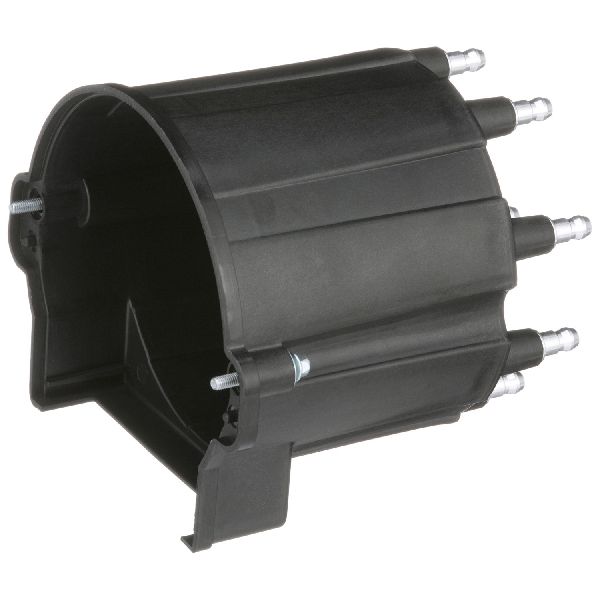
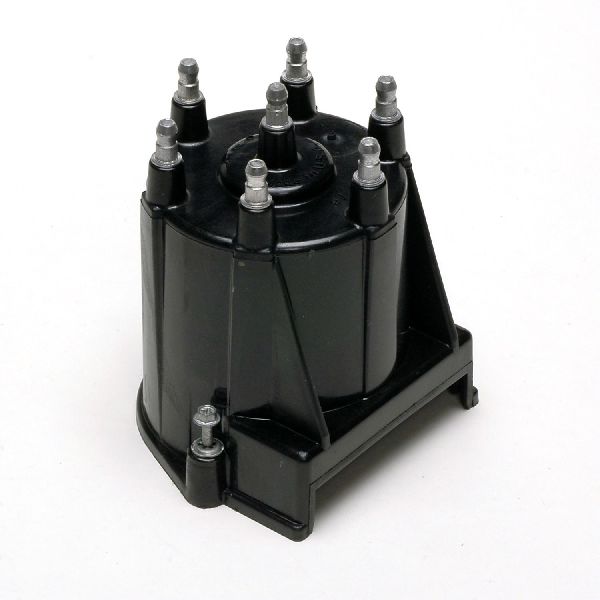
The distributor cap for the 1984-1993 GMC Jimmy is typically a 'small cap' design with external coil connections, held on by two screws. It is designed for engines like the 4.3L V6. The key difference in aftermarket parts is the terminal material, with brass being superior to the original aluminum for durability.
We Have This Part in Stock


The information in this article is provided for general reference and educational purposes only. Vehicle specifications, procedures, and part compatibility can vary by production date, trim level, and region. Always consult your vehicle's factory service manual and verify part numbers before purchasing or performing repairs. Safety-critical components such as airbags, seat belts, and braking systems should be installed by a qualified professional.
- GMC Jimmy: