

Toyota 4Runner Spark Plug Wire Set Guide (1984-1993)
Everything you need to know about choosing the right new aftermarket spark plug wire set for your 1st or 2nd generation 4Runner.
- Failing wires cause misfires, rough idle, and poor gas mileage.
- For this 4Runner, Denso and NGK are the most recommended aftermarket brands, offering OEM quality.
- Replacing wires is an easy DIY job; do them one at a time to avoid mixing up the firing order.
- It is best practice to replace spark plugs at the same time as the wires.
Signs of Failing Spark Plug Wires
When the spark plug wires on your 4Runner start to wear out, they can't deliver electricity effectively. This can cause a range of problems, some minor and some more serious. You might notice your engine just feels 'off' or sluggish.
- Rough Idling: Your engine may shake or vibrate more than usual when you're stopped.
- Engine Misfires: The engine may stutter or hesitate, especially when you accelerate. This happens when a cylinder fails to fire correctly.
- Reduced Fuel Economy: If the engine isn't burning fuel efficiently due to weak spark, you'll notice you're filling up the gas tank more often.
- Difficulty Starting: Weak spark can make it harder for the engine to turn over and start.
- Check Engine Light: A modern engine's computer can detect misfires and will trigger the check engine light.
- Visible Damage: You might see cracks, burns, or melting on the wire insulation. Sometimes, wires can be damaged by rubbing against other engine parts.
Choosing the Right Aftermarket Wires
For 1984-1993 Toyota 4Runners, the quality of your spark plug wires matters. While original Toyota (OEM) wires are known for their excellent quality and longevity, high-quality aftermarket options can perform just as well, often at a lower price. The original wires were typically made by Denso, Yazaki, or Sumitomo for Toyota.
Aftermarket Brand Quality Tiers
| Tier | Brands | Description |
|---|---|---|
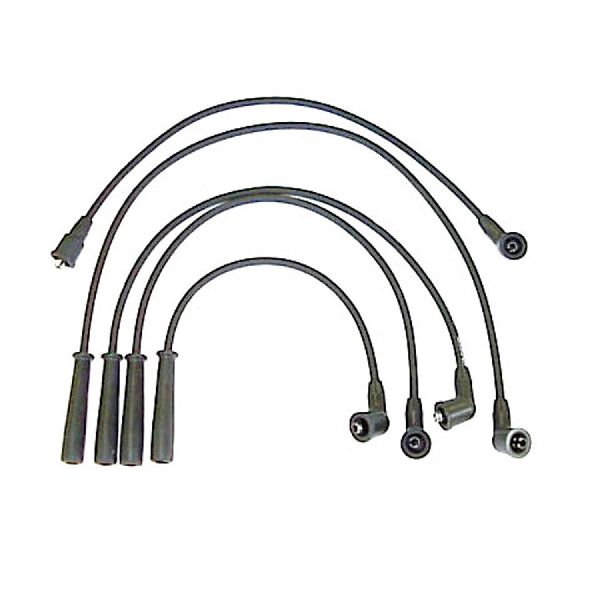
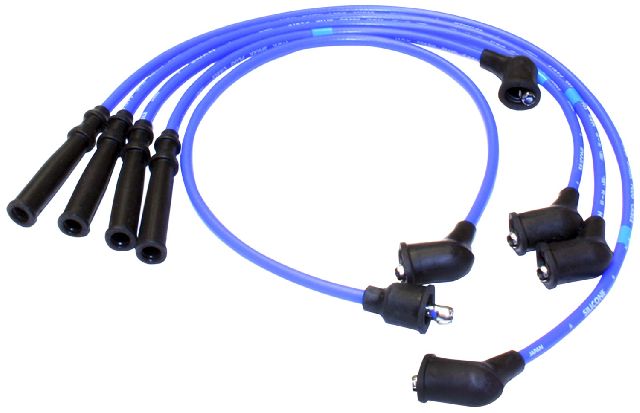
| Tier 1: OEM-Equivalent | Denso, NGK | Denso and NGK are highly recommended by Toyota owners and mechanics. They are considered OEM-quality suppliers, offering excellent fit, durability, and performance that is very close to the original factory wires. Many owners report no issues when using these brands. |
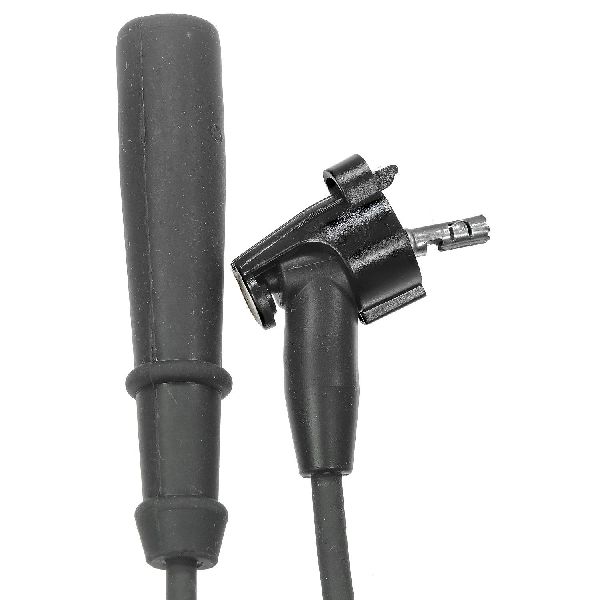
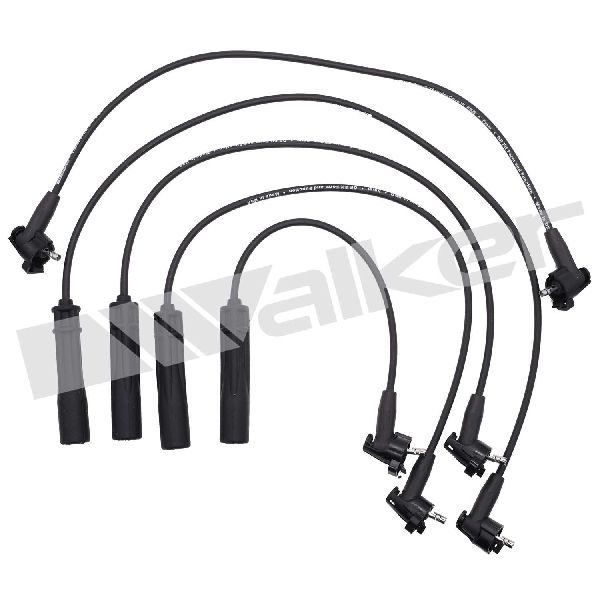
| Tier 2: Quality Aftermarket | Standard Wires, Walker Products | These brands offer a good balance of price and quality. They are a reliable choice for daily driving and will meet the specifications for your 4Runner's engine. While they may not have the same long-standing reputation as Denso or NGK for Toyota applications, they are a solid replacement option. |
| Tier 3: Performance/Specialty | Taylor Cable, Granatelli | These brands focus on high-performance applications. Taylor offers wires with low resistance and durable silicone jackets. Granatelli advertises near-zero resistance wires for maximum spark energy. While these can be a good upgrade, especially for modified engines, they may be unnecessary for a stock 22R-E or 3VZ-E. For these older, reliable engines, sticking with OEM-equivalent designs is often the most trouble-free path. |
Pro Tip: When replacing wires, do them one at a time. This prevents mixing up the firing order, which can cause serious engine problems. Also, applying a small amount of dielectric grease to the inside of the boots will ensure a good connection and help keep moisture out.
Frequently Asked Questions (FAQ)
Do I need to replace my spark plugs at the same time?
Yes, it is highly recommended. Spark plugs and wires wear out at a similar rate. Replacing them together ensures the entire ignition system is refreshed, providing optimal performance and preventing you from having to do a similar job twice.
What's the difference between OEM and aftermarket wires for my 4Runner?
OEM Toyota wires are known to be extremely durable, sometimes lasting for over 150,000 miles. They are guaranteed to fit perfectly. High-quality aftermarket brands like Denso and NGK are often the original suppliers to Toyota and offer nearly identical quality and fit. Other aftermarket brands may vary in length and boot quality, but Tier 1 and Tier 2 brands are generally very reliable.
Are expensive 'performance' wires worth it for my old 4Runner?
For a stock 22R-E or 3VZ-E engine, probably not. While brands like Granatelli or Taylor offer benefits like lower resistance for more spark energy, the stock Toyota ignition system is well-designed and performs reliably with OEM-spec wires. Unless your engine is heavily modified, you are unlikely to see a noticeable performance gain. Sticking with Denso or NGK is a safe and cost-effective choice.
What tools do I need to replace the spark plug wires?
The job is straightforward and requires basic tools. You'll need a spark plug wire puller or pliers (be gentle!), dielectric grease, and possibly a ratchet with a spark plug socket if you are changing the plugs at the same time. No special tools are typically needed for just the wires.
Technical Specifications
OEM Part Numbers: 90919-29055 90919-21343 90919-21431
Wire sets are specific to the 4-cylinder (22R-E) or V6 (3VZ-E) engine. Wires are typically 7mm or 8mm in diameter with a magnetic or spiral-wound core to suppress electrical noise (EMI/RFI). OEM wires often come with pre-attached looms and numbered clips for easy installation.
We Have This Part in Stock

The information in this article is provided for general reference and educational purposes only. Vehicle specifications, procedures, and part compatibility can vary by production date, trim level, and region. Always consult your vehicle's factory service manual and verify part numbers before purchasing or performing repairs. Safety-critical components such as airbags, seat belts, and braking systems should be installed by a qualified professional.
- Toyota 4Runner: