

Dodge B150 Engine Coolant Temperature Sensor Guide: 1984-1994
Diagnose and replace the engine coolant temperature sensor on your 1984-1994 Dodge B150 to fix poor fuel economy and rough running.
- A bad ECT sensor on a B150 most commonly causes poor fuel economy, black exhaust smoke, and a rough idle.
- This is an easy, low-cost DIY replacement that most owners can do in under 30 minutes with basic tools.
- For reliability, choose a premium aftermarket brand like Delphi, NGK, or Standard Ignition over budget options.
- There are no recalls or TSBs from the NHTSA for this specific part and vehicle.
Is Your B150's Coolant Temp Sensor Failing?
A bad Engine Coolant Temperature (ECT) sensor can cause a surprising number of issues with your Dodge B150. Because the engine's computer depends on an accurate signal from this sensor, a false reading can make your van run poorly. It might send a permanent 'cold' signal, causing the engine to use too much fuel, or it might fail to signal the cooling fans to turn on, risking an overheat.
Key Symptoms of a Bad ECT Sensor:
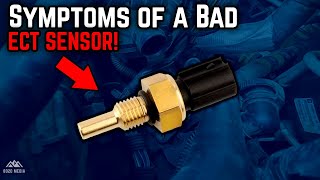
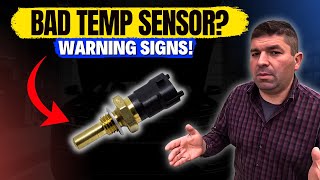
🎬 Watch: A visual guide to common ECT sensor failure symptoms.- Poor Fuel Economy: If the sensor incorrectly tells the computer the engine is always cold, the computer will constantly provide a rich fuel mixture, wasting gas.
- Black Smoke from Exhaust: An overly rich fuel mixture can lead to unburnt fuel burning up in the exhaust pipe, which produces black smoke.
- Check Engine Light: The computer will often trigger the Check Engine Light if it receives an illogical or out-of-range signal from the ECT sensor.
- Rough Idle and Stalling: Your van's engine may idle erratically, shake, or even stall because the air-fuel mixture is wrong for the actual engine temperature.
- Engine Overheating: A faulty sensor may not signal the electric cooling fans to turn on when needed, causing the engine to overheat, especially in traffic.
- Erratic Temperature Gauge: The temperature gauge on your dashboard might jump around, stay on cold, or suddenly max out.
Choosing the Right Aftermarket Sensor
For a vehicle like the 1984-1994 Dodge B150, aftermarket parts offer excellent value. However, quality can vary between brands, and since this sensor is critical for engine management, choosing a reliable part can save you from future headaches. Aftermarket sensors are often the same as the original, just sold under a different name.
Aftermarket Brand Tiers
| Tier | Brands | Quality & Reliability Assessment |
|---|---|---|
| Premium Aftermarket | Delphi, NGK (NTK), Standard Ignition (SMP) | These brands are widely regarded as high-quality OEM equivalents. They are known for reliability and are often recommended by professional mechanics and experienced DIYers to ensure proper performance and avoid premature failure. |
| Standard / Economy | Four Seasons, Motorad, Holstein, Global Parts, Skyward, True Tech | These brands provide a budget-friendly option. While functional, some brands in this tier have mixed reviews regarding longevity and consistent performance. They can be a viable choice for a budget-conscious repair, but carry a slightly higher risk of needing to be replaced again sooner than a premium part. |
OEM vs. Aftermarket for Your B150
For this sensor, a premium aftermarket brand like Delphi or Standard Motor Products is a reliable choice and is often more readily available than a Mopar-branded part for a vehicle of this age. The key is to avoid the cheapest available options, as some forum users report that low-quality sensors can fail quickly or provide inaccurate readings right out of the box.
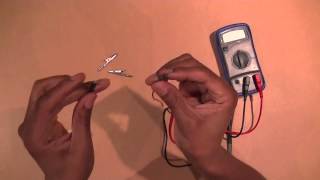
🎬 Learn how to test your sensor to ensure it's working.Installation & Cost
Replacing the ECT sensor on a Dodge B150 is a straightforward job that most DIYers can complete in under an hour.
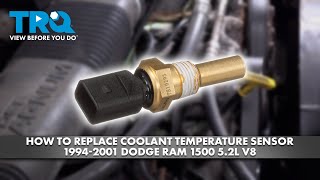
🎬 See this step-by-step walkthrough of the sensor replacement process.Pro Tip: The sensor is typically located on the intake manifold near the thermostat housing. When you unscrew the old sensor, coolant will start to leak out. Have the new sensor ready with thread sealant applied (if not pre-applied) to screw it in quickly. This will minimize coolant loss and reduce the need for extensive bleeding of the cooling system.
Estimated Costs
| Item | Estimated Cost |
|---|---|
| New Aftermarket Part | $7 - $47 |
| Shop Labor | $85 - $125 |
| Total Estimated Cost (At a Shop) | $92 - $172 |
Frequently Asked Questions (FAQ)
Where is the coolant temperature sensor located on my 1984-1994 B150?
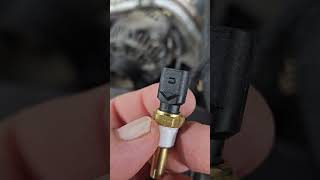
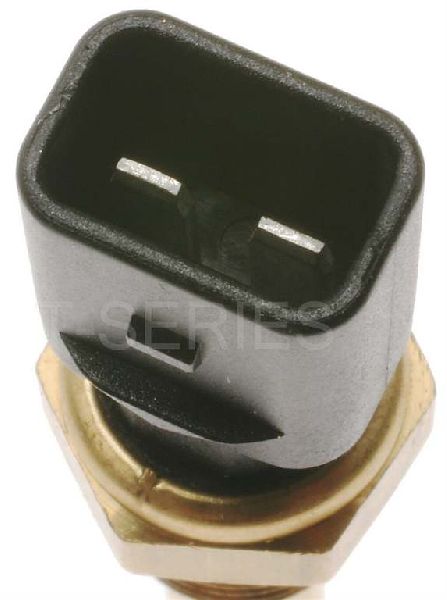
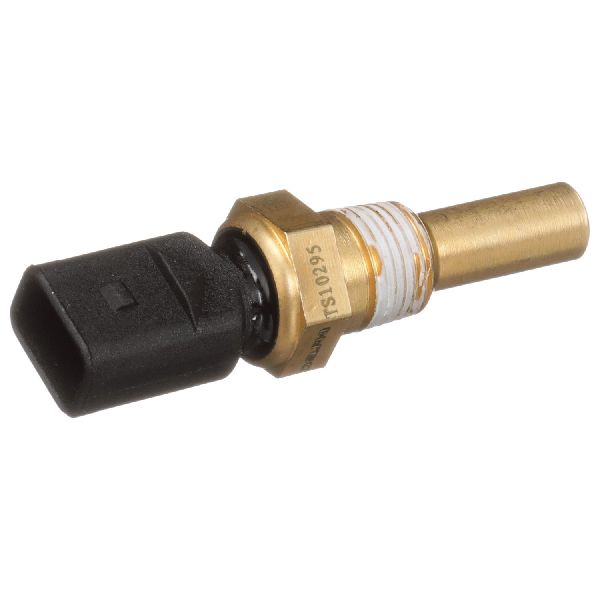
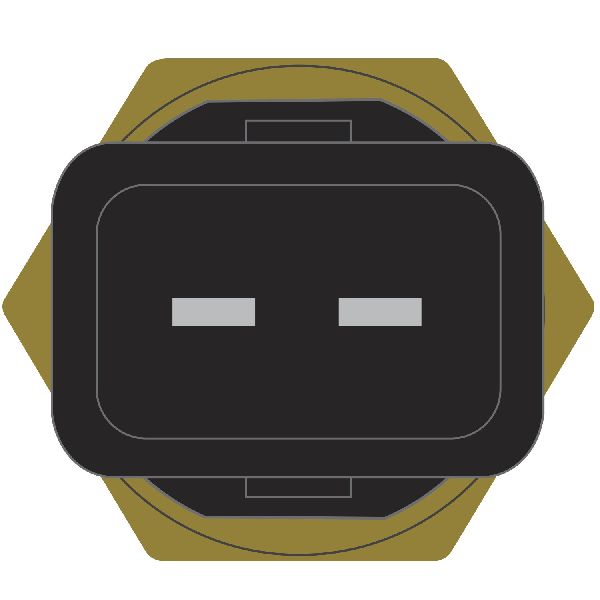
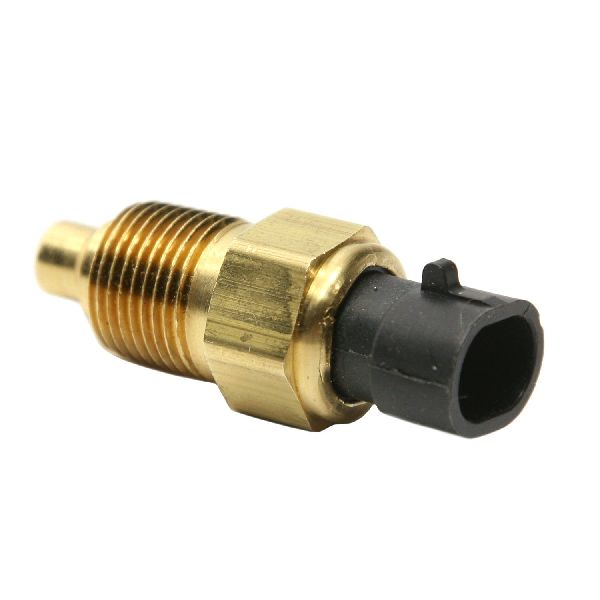
The ECT sensor is usually screwed into the front of the intake manifold, near the thermostat housing where the upper radiator hose connects. It will have a two-wire electrical connector. On these older models, be sure you are replacing the two-wire sensor for the computer, not the single-wire sender that may be used for the dashboard gauge.
Can I replace this sensor myself?
Yes, this is a great DIY job for beginners. You'll need basic hand tools, primarily a deep socket to fit the sensor. The most important part is to work quickly when swapping the old sensor for the new one to minimize coolant loss. Having a drain pan ready is a good idea.
What happens if I don't replace a bad ECT sensor?
While you can often still drive the vehicle, it's not recommended for long. Continuously running a rich fuel mixture can damage your catalytic converter over time, which is an expensive repair. More critically, if the sensor fails to activate the cooling fans, you risk severe engine damage from overheating.
Are there any recalls for this part on my Dodge B150?
No. Searches of the National Highway Traffic Safety Administration (NHTSA) database show no safety recalls or technical service bulletins (TSBs) for the engine coolant temperature sensor on the 1984-1994 Dodge B150.
Does the shape of the sensor tip matter?
Yes, it can. Some owners have noted that different aftermarket sensors may have tips that are shaped or sized differently than the original part. While they may thread in correctly, a different tip design could potentially alter how it reads the coolant temperature. It is best to visually compare the new sensor to the old one before installation to ensure it is a close match.
Helpful Videos
Technical Specifications
The correct sensor for the engine computer is a 2-pin, plug-in type. It threads into the intake manifold, typically near the thermostat housing.
We Have This Part in Stock


The information in this article is provided for general reference and educational purposes only. Vehicle specifications, procedures, and part compatibility can vary by production date, trim level, and region. Always consult your vehicle's factory service manual and verify part numbers before purchasing or performing repairs. Safety-critical components such as airbags, seat belts, and braking systems should be installed by a qualified professional.
- Dodge B150: