

Dodge B250 Engine Coolant Temperature Sensor Guide (1984-1994)
Fix poor running conditions and inaccurate gauge readings on your 1984-1994 Dodge B250 by choosing the right coolant temperature sensor.
- Your B250 may have two separate sensors: one for the computer (ECU) and one for the dash gauge. Diagnose the symptom to know which to replace.
- For reliability, choose an OEM (Mopar) or OEM-quality brand like NGK/NTK or Delphi. Cheaper sensors are known to cause problems on these vans.
- Do NOT use Teflon tape or thread sealant during installation, as the sensor needs to ground through its threads to function correctly.
- Symptoms of a bad sensor include poor MPG, rough idle, black smoke, and hard starting when the engine is warm.
Symptoms of a Failing Coolant Temperature Sensor
A bad coolant temperature sensor can cause a surprising number of problems with your Dodge B250. Because the computer receives incorrect information, it can't manage the engine properly. You might notice one or more of these issues:
- Poor Fuel Economy: If the sensor always reports a cold engine, the computer will continuously run a rich fuel mixture, wasting gas.
- Black Smoke from Exhaust: A very rich fuel mixture can result in unburned fuel exiting through the exhaust, creating black smoke.
- Engine Stumbling or Rough Idle: The wrong air-fuel mix can cause the engine to idle poorly, hesitate, or even stall.
- Hard Starting When Warm: Some B250 owners report that a bad sensor can make the engine difficult to start once it has warmed up.
- Check Engine Light: A faulty sensor will often trigger the Check Engine Light on your dashboard. 🎬 Watch: See these symptoms and typical replacement costs explained.
- Inaccurate Temperature Gauge: If the sensor that feeds the dashboard gauge fails, it may read incorrectly or not move at all.
Two Sensors? Check Your Van
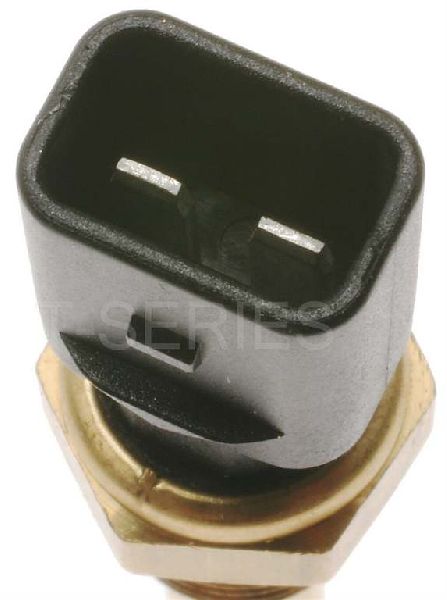
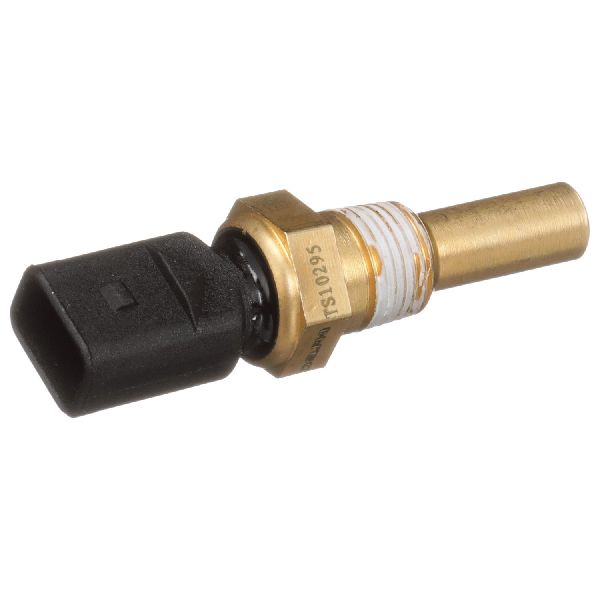
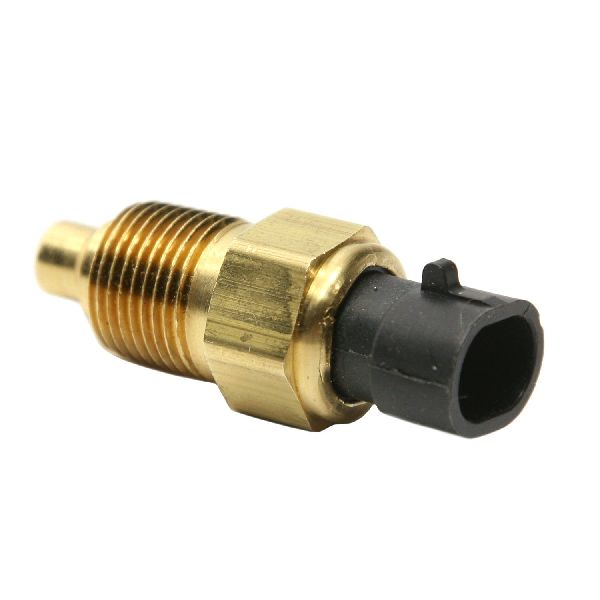
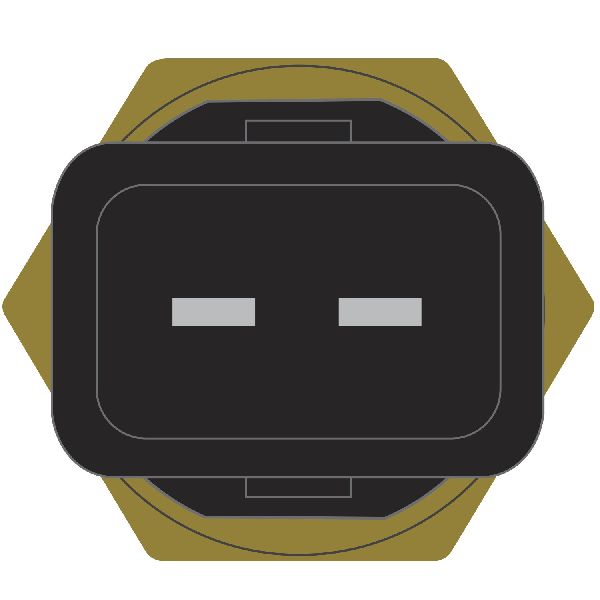
Many 1984-1994 Dodge B250s use two separate coolant temperature sensors. One is a two-wire sensor for the engine computer (ECU), and the other is a one-wire sending unit for the dashboard temperature gauge. It is crucial to identify which sensor has failed before ordering a replacement. If your gauge is inaccurate but the van runs fine, you likely need the one-wire sender. If the van runs poorly, the two-wire ECU sensor is the probable cause.
🎬 Learn how to test your sensor using a basic multimeter.Choosing the Right Aftermarket Sensor
For a critical part like an engine sensor on these older Dodge vans, quality matters. While budget parts are available, forum discussions with long-time owners often warn against using them, as they can fail quickly or provide inaccurate readings right out of the box.
Brand Quality Tiers
- Top Tier (OEM-Equivalent): Brands like NGK (also sold as NTK) and Delphi are known to be Original Equipment suppliers for many manufacturers, including Mopar. These are your most reliable choices for fit, accuracy, and longevity. Choosing one of these brands is highly recommended to avoid future headaches.
- Standard Replacement: Standard Ignition (SMP) and Four Seasons are well-known aftermarket brands that offer a balance of quality and price. They are generally reliable replacements for a daily driver. Be sure to double-check the part number, as some owners have accidentally purchased a temperature *switch* instead of a *sensor*.
- Economy Brands: Brands like Global Parts, Holstein, Skyward, and True Tech offer the lowest price point. While tempting, these parts may have a shorter lifespan or less precise readings. They can be a viable option for a tight budget, but be aware of the potential trade-offs in quality.
| Part Type | Typical Price Range |
|---|---|
| New Aftermarket Sensor | $7.31 - $46.64 |
| New OEM (Mopar) Sensor | $32.00 - $45.00 |
| Shop Labor for Installation | $90 - $150 |
Installation Tip: Do NOT Use Thread Sealant
The coolant temperature sensor often grounds itself to the engine through its metal threads. Applying Teflon tape or pipe sealant can insulate the sensor, preventing it from working correctly and causing inaccurate readings. Install the new sensor onto clean threads without any sealant.
Frequently Asked Questions (FAQ)
Where is the coolant temperature sensor located on my B250?
The sensor (or sensors) are typically threaded into the intake manifold, near the thermostat housing and behind the alternator. You will likely need to remove the air cleaner assembly to get a clear view and access them.
Can I replace the sensor myself?
Yes, this is a DIY-friendly job for most home mechanics. You will need basic hand tools, including a deep socket and ratchet. Be prepared for some coolant to spill when you remove the old sensor; have a drain pan ready. The entire job usually takes less than an hour.
🎬 See this step-by-step walkthrough for replacing the sensor yourself.Why isn't my new temperature gauge sensor working?
There are two common mistakes. First, ensure you bought a temperature *sensor* or *sender*, not a temperature *switch*. A switch is for a warning light and will not operate a variable gauge. Second, do not use thread sealant or Teflon tape, as this can prevent the sensor from grounding properly.
Are there any recalls for the B250 coolant temperature sensor?
No, searches of the National Highway Traffic Safety Administration (NHTSA) database did not find any recalls or technical service bulletins (TSBs) related to the engine coolant temperature sensor for the 1984-1994 Dodge B250.
Helpful Videos
Technical Specifications
OEM Part Numbers: 56027012 05226374 33004281
Varies by function. The ECU sensor is typically a 2-pin connector. The gauge sending unit is typically a 1-pin connector. Both are located near the thermostat housing on the intake manifold.
We Have This Part in Stock


The information in this article is provided for general reference and educational purposes only. Vehicle specifications, procedures, and part compatibility can vary by production date, trim level, and region. Always consult your vehicle's factory service manual and verify part numbers before purchasing or performing repairs. Safety-critical components such as airbags, seat belts, and braking systems should be installed by a qualified professional.
- Dodge B250: