

Ford Mustang Engine Valve Lifter Guide for 1984-1994 Models
Understanding the ticking noise in your Fox Body or SN95 and how to choose the right replacement lifters.
- The most common symptom of a bad lifter is a ticking noise that changes with engine speed.
- Identify your engine: 1984 5.0L V8s use flat tappet lifters, while 1985-1994 5.0L V8s use roller lifters. They are not interchangeable.
- It is strongly recommended to replace lifters as a full set and to inspect the camshaft for wear at the same time.
- For a stock or mild build, quality aftermarket brands like Melling and Sealed Power offer reliable, affordable options.
Is Your Mustang's Engine Ticking? It Could Be the Lifters.
A distinct ticking or tapping sound coming from the top of your engine is the most common sign of a bad valve lifter. This noise often gets faster as you increase engine RPM. You might hear it clearly at idle, or it may become more of a rattle at specific RPMs. This happens because a worn or collapsed lifter creates extra space in the valvetrain, causing parts to slap together. In some cases, a bad lifter can also lead to a rough running engine, misfires, or even a check engine light.
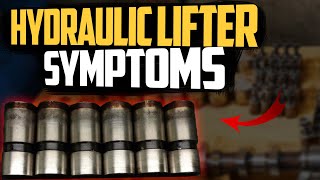
🎬 Watch this guide on bad hydraulic lifter symptoms and costs.Flat Tappet vs. Hydraulic Roller: A Key Difference
It is crucial to know which engine your Mustang has. The 1984 5.0L V8 used a flat tappet camshaft and lifters. Starting in 1985, Ford switched the 5.0L High Output (HO) engine to a hydraulic roller setup. These two types are not interchangeable. Roller lifters reduce friction, last longer, and allow for better performance. Most aftermarket support and performance upgrades focus on the 1985-1994 roller engines. The 2.3L 4-cylinder engines found in this generation also use their own specific hydraulic lifters.
| Tier | Brands | Best For | Notes |
|---|---|---|---|
| High Performance | Isky Racing Cams | Racing, high-RPM builds, maximum durability. | Isky is a legendary brand known for top-shelf, durable racing components. They offer advanced designs like bushing roller lifters that can prevent catastrophic engine damage in case of failure. These are overkill for a stock or mildly modified street car. |
| Performance / Premium Replacement | Melling Select Performance, Ford Performance | Stock restorations, mild performance builds, and daily drivers. | Melling is a well-respected manufacturer, with some parts still made in the USA. Ford Performance offers OEM-quality replacements that were original equipment in the 5.0L HO engine. These are excellent choices for reliability and proper fit. |
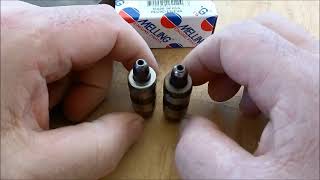
| Standard Replacement | Melling, Sealed Power | Budget-friendly repairs on stock vehicles. | Both Melling and Sealed Power are established aftermarket brands that provide reliable, OE-style replacement parts. They offer a good balance of quality and affordability for a standard repair. | 🎬 Compare Melling and Federal Mogul lash adjusters for your Ford.
Known Issues and Recalls
For vehicles of this age, formal recalls or Technical Service Bulletins (TSBs) for lifter failure are not common. Most issues are related to normal wear and tear, infrequent oil changes, or low oil pressure. A common source of ticking noises on Fox Body Mustangs can also be a loose exhaust manifold bolt, which can sound surprisingly similar to a lifter tick. Always diagnose the noise carefully before starting repairs. Using a mechanic's stethoscope can help pinpoint the source of the sound.
🎬 Listen to common Fox Body engine noises for better diagnosis.Important: Camshaft and Lifter Replacement
If you are replacing your lifters, it is highly recommended to inspect your camshaft for wear. On flat tappet engines (like the 1984 5.0L), the camshaft and lifters must be replaced as a set. For roller engines (1985-1994 5.0L), it is best practice to replace the lifters any time you install a new camshaft. Reusing old lifters on a new cam can cause premature failure of both components.
Frequently Asked Questions (FAQ)
Can I replace just one bad lifter?
While you can replace a single failed lifter, it is generally recommended to replace them all as a set. Lifters wear at a similar rate, so if one has failed, others may soon follow. Replacing them all at once saves you from having to do the job again in the near future.
Do I need special tools to replace my Mustang's lifters?
Replacing lifters on a 5.0L V8 requires removing the upper and lower intake manifolds, valve covers, and rocker arms. While it doesn't require many highly specialized tools, you will need a good socket set, a torque wrench, and gasket scrapers. A pocket magnet can be very helpful for pulling the old lifters out of their bores. You will also need to know how to properly set valve lash or torque pedestal-mount rockers.
Do new lifters need to be soaked in oil?
Yes. It is a common and highly recommended practice to soak new hydraulic lifters in clean engine oil for several hours, or even days, before installation. This helps ensure they are pre-lubricated and helps them "pump up" with oil more quickly on the initial engine start-up, reducing wear.
What is a "lifter spider" and "dog bones"?
On 1985-1994 Ford 5.0L roller engines, the "spider" is a metal retainer plate bolted into the engine's lifter valley. The "dog bones" are smaller metal plates that fit over pairs of lifters. Together, this system keeps the roller lifters from rotating in their bores, which is critical for proper function. You must remove these to get the lifters out.
Helpful Videos

Technical Specifications
OEM Part Numbers: M-6500-R302 M-6500-R302H
Lifter Style: Hydraulic Flat Tappet (1984 5.0L V8), Hydraulic Roller (1985-1994 5.0L V8). Lifter Diameter: 0.875 inches (for V8 models).
We Have This Part in Stock


The information in this article is provided for general reference and educational purposes only. Vehicle specifications, procedures, and part compatibility can vary by production date, trim level, and region. Always consult your vehicle's factory service manual and verify part numbers before purchasing or performing repairs. Safety-critical components such as airbags, seat belts, and braking systems should be installed by a qualified professional.
- Ford Mustang: