

A Ford Mustang Owner's Guide to the 1984-1994 Throttle Position Sensor
If your Fox Body or early SN95 Mustang is running rough, the throttle position sensor is a likely and easy-to-fix culprit.
- A bad TPS causes hesitation, high/surging idle, and poor acceleration on 1984-1994 Mustangs.
- Replacing the TPS is easy, but you MUST set the base voltage with a multimeter to between 0.75V and 0.98V.
- Stick with Motorcraft (OEM) or a quality aftermarket brand like Standard or BBK for best results.
- You may need to elongate the sensor's mounting holes to get the voltage adjustment correct.
Is Your Mustang's TPS Failing?
A bad Throttle Position Sensor on a 1984-1994 Mustang can cause a range of frustrating drivability issues. Because the part wears out over time, especially in the spot where you do most of your driving, symptoms can appear gradually or all at once. Watch for these common signs:
- Hesitation or Stumbling: The car may hesitate or fall flat on its face when you press the gas pedal, especially during light acceleration. This is often due to a "dead spot" in the sensor.
- High or Surging Idle: The engine may idle too high, or the RPMs might surge up and down on their own. Sometimes, shutting the car off and restarting it can temporarily fix a high idle, which strongly points to a bad TPS.
- Poor Acceleration: The car feels sluggish and lacks power, no matter how hard you press the pedal.
- Erratic Automatic Shifting: If you have an automatic transmission, a bad TPS can cause harsh, delayed, or unpredictable gear shifts.
- Sudden Loss of Power: The engine might suddenly lose power while driving, only to have it kick back in unexpectedly.
A Note on Engine Codes
Your Mustang's EEC-IV computer can store codes related to a failing TPS. Common codes include 23 (TPS out of self-test range), 53 (TPS circuit signal above maximum voltage), and 63 (TPS circuit signal below minimum voltage). You will need an OBD-I code reader to check for these.
Choosing the Right Aftermarket TPS
When it comes to sensors for these Mustangs, not all parts are created equal. While you can save a few dollars with a budget part, owner experiences show it's often not worth the risk of premature failure. Here’s a breakdown of your options:
Brand Quality Tiers
- Premium (OEM): Motorcraft
Motorcraft is Ford's own parts brand and is the original equipment manufacturer (OEM). This is the gold standard for fit, reliability, and performance. If you want to fix it once and not worry about it, Motorcraft is the safest bet. - Quality Aftermarket: Standard Ignition, BBK Performance, NGK, Walker Products
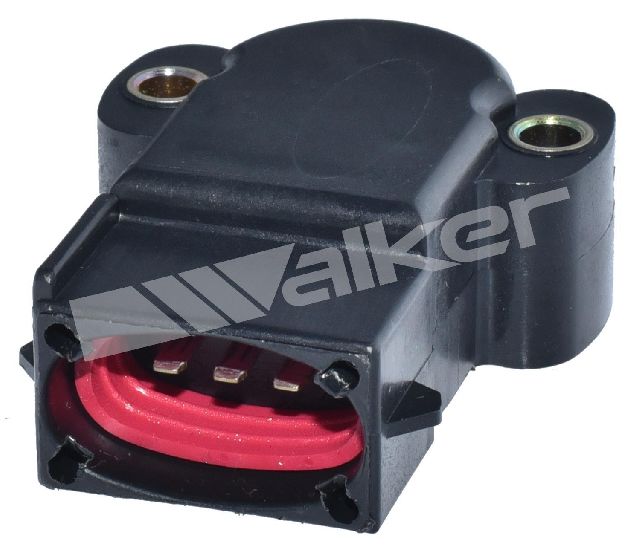
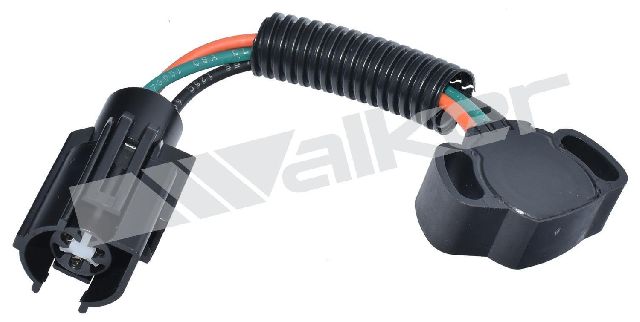
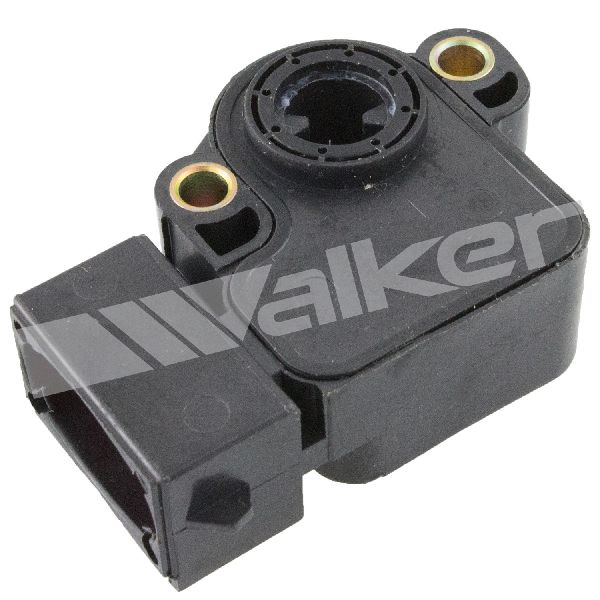
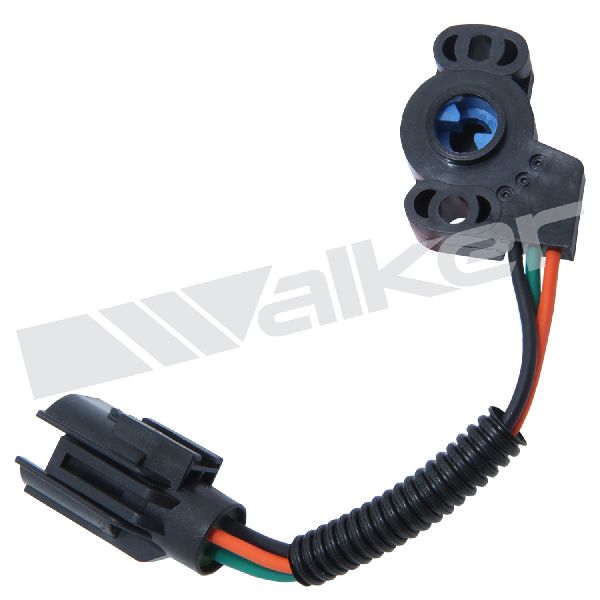
These are well-respected brands that produce reliable sensors. Standard Motor Products (SMP) is often considered OEM-quality. BBK is a popular choice in the performance community and is known for quality parts that work well with aftermarket throttle bodies. These brands offer a good balance of price and quality. - Economy: URO Parts, True Tech, and other generic store brands
While the low price is tempting, these brands have a reputation for being inconsistent. They may fail quickly or be defective right out of the box. Many Mustang owners recommend avoiding these to prevent having to do the job twice.
| Part Type | Estimated Cost |
|---|---|
| New OEM (Motorcraft) | $70 - $110 |
| New Aftermarket | $28.15 - $86.43 |
| Shop Labor | $75 - $150 |
The Most Important Step: Setting the Voltage
Simply swapping the part isn't enough for these Mustangs. You must set the base voltage of the new TPS. Failure to do this will result in the same poor performance you had before. The process is simple and requires a digital multimeter. You'll probe the sensor's wires with the key on and engine off, then physically rotate the sensor until the voltage reads between 0.75V and 0.98V. While the myth of needing exactly 0.99V persists, forums and technical documents confirm any value in this range is acceptable to the computer.
Frequently Asked Questions
Can I install a new TPS myself?
Yes, this is a great DIY job for beginners. The sensor is held on by two screws and is easily accessible on top of the throttle body. The only special tool you need is a digital multimeter to set the voltage, which is a critical step.
Do I need to buy an expensive TPS?
While you don't need the most expensive option, it's highly recommended to stick with either Motorcraft (OEM) or a reputable aftermarket brand like Standard or BBK. Cheaper, no-name sensors are known to be unreliable for this specific application.
What if I can't get the voltage in the right range?
This is a common issue, especially with some aftermarket sensors. To get more adjustment, you may need to use a small round file or a drill bit to slightly elongate the mounting holes on the TPS. This allows you to rotate the sensor further to achieve the correct base voltage.
Is there a recall on the TPS for my Mustang?
No. There are no active recalls or Technical Service Bulletins (TSBs) from Ford or the NHTSA for the throttle position sensor on 1984-1994 Ford Mustangs. Any issues with the original part are due to age and wear.
Technical Specifications
OEM Part Numbers: E7TZ-9B989-D 9C989
Adjustable 3-pin variable resistor. Requires setting idle voltage between ~0.75V and 0.98V via multimeter for proper function on EEC-IV systems.
We Have This Part in Stock


The information in this article is provided for general reference and educational purposes only. Vehicle specifications, procedures, and part compatibility can vary by production date, trim level, and region. Always consult your vehicle's factory service manual and verify part numbers before purchasing or performing repairs. Safety-critical components such as airbags, seat belts, and braking systems should be installed by a qualified professional.
- Ford Mustang: