

Ford Tempo A/C Compressor Guide: 1984-1994 Replacement & Troubleshooting
Is your Tempo's A/C blowing warm? Here’s what you need to know before buying a new compressor.
- You MUST convert the system from R12 to R134a refrigerant, which includes replacing O-rings and flushing the old oil.
- Always replace the accumulator/drier and orifice tube with the compressor to prevent immediate failure and to validate your warranty.
- A new aftermarket compressor is a safer choice than a remanufactured one, as brands like Four Seasons have mixed reviews on their rebuilt units.
- This is not a beginner DIY job; it requires special tools for refrigerant recovery, vacuuming, and recharging the system.
Signs of a Failing A/C Compressor in a Ford Tempo
When the A/C compressor in your 1984-1994 Tempo starts to fail, it will give you clear warning signs. Ignoring them can lead to more expensive repairs.
- Warm Air from Vents: This is the most common symptom. If the fan blows but the air isn't cold, the compressor might not be engaging or building pressure.
- Loud Noises: Grinding, rattling, or squealing sounds when you turn on the A/C point to failing internal bearings or a bad clutch. One Tempo owner reported a loud buzzing sound followed by smoke from a burning belt, which can happen if the compressor seizes.
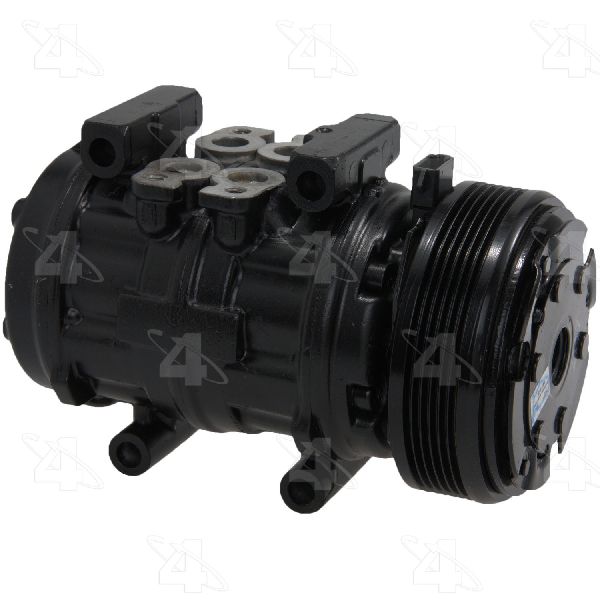
- A/C Clutch Not Engaging: The front of the compressor has a clutch that should 'click' and start spinning when you turn on the A/C. If it doesn't move, it could be an electrical issue, low refrigerant, or a failed clutch coil.
- Visible Leaks: You might see a greasy film of refrigerant oil on the body of the compressor. This indicates failing seals.
Known Issues, Recalls, or TSBs
For vehicles of this age, official manufacturer support is limited. Searches of the National Highway Traffic Safety Administration (NHTSA) database and Technical Service Bulletins (TSBs) did not show any specific recalls or service bulletins for the A/C compressor on the 1984-1994 Ford Tempo. Any issues you experience are likely due to the age and wear of the original components.
R12 to R134a Conversion is Necessary
Your Ford Tempo originally used R12 refrigerant, which is no longer available. When you replace the compressor, you must convert the system to the modern R134a standard. 🎬 Watch: Step-by-step guide for your R134a retrofit and changeover. This is not optional. This involves flushing all the old mineral oil out, replacing all rubber O-rings with new R134a-compatible (HNBR) ones, and adding the correct type of new oil (PAG or Ester).
Choosing the Right Aftermarket A/C Compressor
For a vehicle like the Tempo, finding a new OEM Motorcraft compressor is nearly impossible. Your choices are new aftermarket, remanufactured, or used parts. Aftermarket quality can be a mixed bag, so it's important to understand the options.
Brand Quality Tiers
- Better Quality (Four Seasons - NEW): Four Seasons is a well-known aftermarket brand. However, reviews are very mixed, with some users reporting premature failures, especially with their remanufactured units. If choosing this brand, opting for a new compressor instead of a remanufactured one is strongly recommended for better reliability.
- Standard Quality (Global Parts Distributors - GPD): GPD is another common aftermarket brand found in parts catalogs. While specific reviews for the Tempo are scarce, they are a standard option in the market. Like other brands, a new unit is generally a safer bet than a remanufactured one.
- Value Option (Replacement): This category includes various private-label or unbranded parts. They are the most affordable but come with the highest uncertainty about quality and longevity. They can be a viable option for a budget-conscious repair, but be aware of the potential risks.
Pro Tip: Always Replace These Parts with Your Compressor
To ensure your new compressor lasts, you must replace the A/C Accumulator/Drier and the Orifice Tube at the same time. The accumulator absorbs moisture from the system and the orifice tube acts as a filter. A failing compressor can send metal debris through the system, which will clog the orifice tube and destroy your new compressor almost immediately. Not replacing these parts will likely void the warranty on your new compressor.
Estimated Replacement Costs
The cost to replace your Tempo's A/C compressor depends on the parts you choose and who does the work. The prices below are estimates.
| Part or Service | Estimated Cost |
|---|---|
| New Aftermarket Compressor | $170 - $461 |
| A/C Accumulator/Drier | $20 - $50 |
| Orifice Tube | $3 - $10 |
| Shop Labor (including refrigerant recovery & recharge) | $250 - $450 |
Frequently Asked Questions (FAQ)
Is replacing the A/C compressor a DIY job?
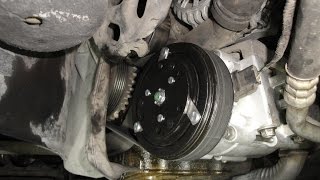
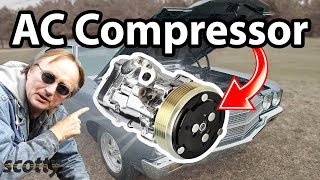
This is an advanced DIY task. 🎬 Watch: A helpful walkthrough on how to replace your compressor. While unbolting the old compressor and installing the new one is straightforward, the A/C system requires special tools. You legally cannot vent old refrigerant into the atmosphere and must have it recovered by a shop. You will also need a vacuum pump and manifold gauge set to remove all moisture and correctly recharge the system with R134a refrigerant and oil.
Can I just replace the clutch and not the whole compressor?
Sometimes, but it's often not worth it. If the clutch has failed but the compressor itself is still good, you can replace just the clutch. However, if the compressor is old, it may fail soon after. Given the cost of labor and recharging the system, most mechanics recommend replacing the entire compressor assembly.
My new compressor failed right away. What happened?
The most common reason for a new compressor to fail quickly is contamination from the old one. If you did not replace the accumulator and orifice tube, and flush the entire system before installation, metal shavings from the old failed compressor likely circulated into the new one and destroyed it.
Why is my A/C clutch not engaging?
There are several reasons this can happen. The system might be low on refrigerant, which triggers a low-pressure switch to protect the compressor. It could also be a blown fuse, a bad A/C relay, a faulty pressure switch, or a break in the wiring to the clutch.
🎬 See how to test your A/C clutch circuit and recharge.Helpful Videos
![A/C Compressor Clutch Circuit Testing [All Cars] + Recharge](https://img.youtube.com/vi/sBueOct0qXY/mqdefault.jpg)
Technical Specifications
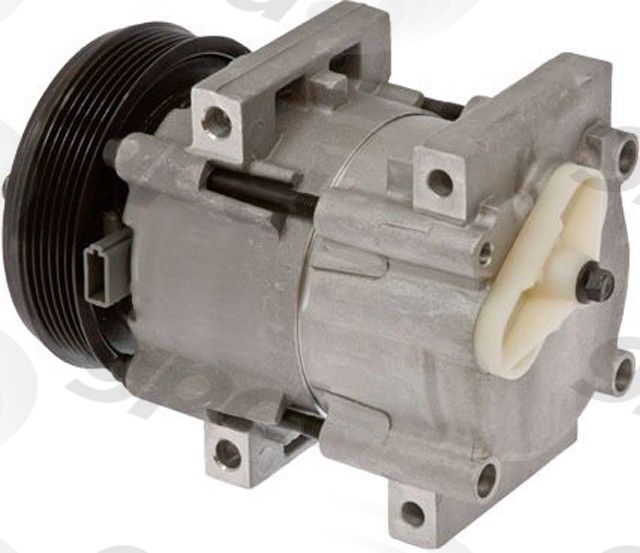
OEM Part Numbers: E43Z-19703-CX
Vehicle requires conversion from R12 to R134a refrigerant. Compressor replacement must include a new accumulator/drier and orifice tube. System must be flushed and refilled with the correct type and amount of PAG or Ester oil.
We Have This Part in Stock
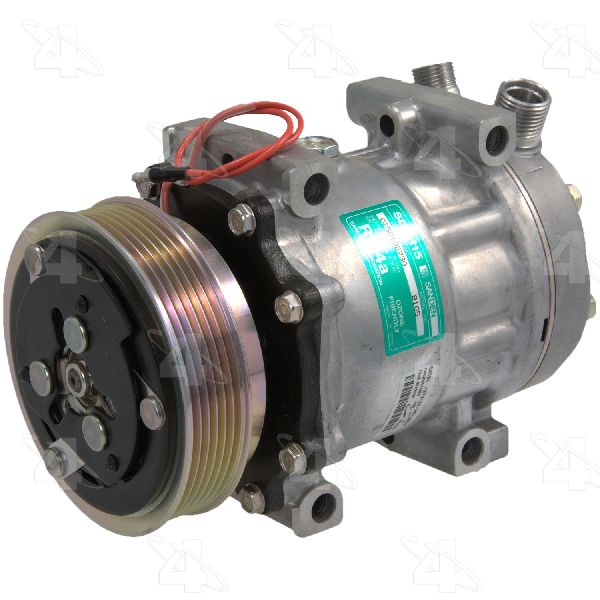
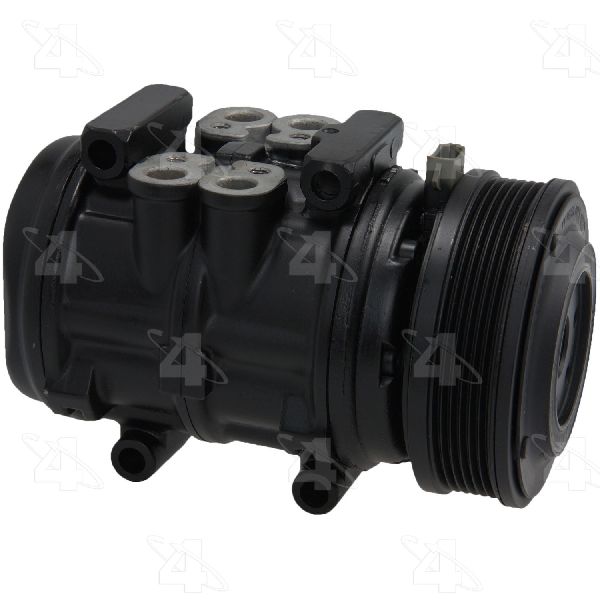
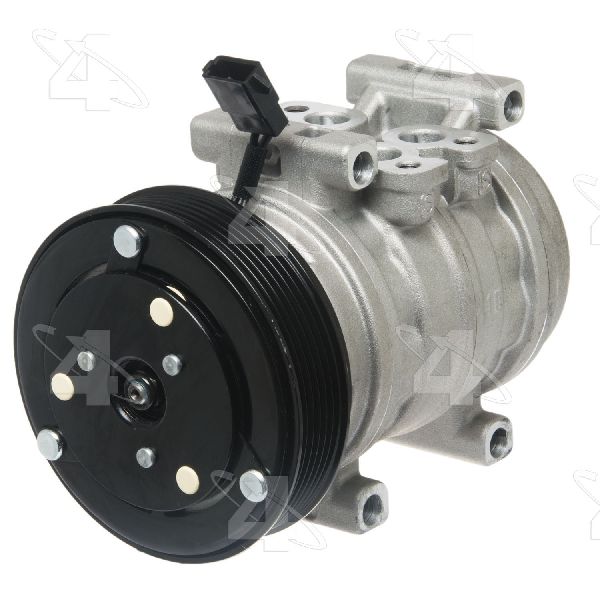
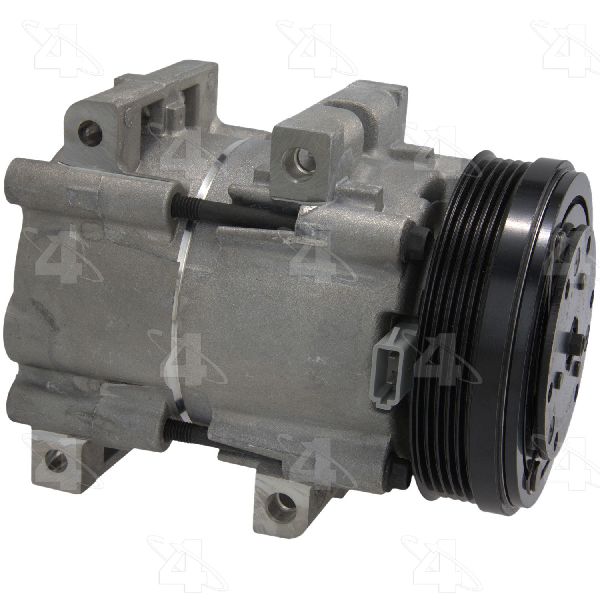

The information in this article is provided for general reference and educational purposes only. Vehicle specifications, procedures, and part compatibility can vary by production date, trim level, and region. Always consult your vehicle's factory service manual and verify part numbers before purchasing or performing repairs. Safety-critical components such as airbags, seat belts, and braking systems should be installed by a qualified professional.
- Ford Tempo:
- 🎬 Helpful Videos
- 🛍️ Shop This Part
- Signs of a Failing A/C Compressor in a Ford Tempo
- Known Issues, Recalls, or TSBs
- R12 to R134a Conversion is Necessary
- Choosing the Right Aftermarket A/C Compressor
- Brand Quality Tiers
- Pro Tip: Always Replace These Parts with Your Compressor
- Estimated Replacement Costs
- Frequently Asked Questions (FAQ)
- 🎟️ Get 5% Off