

Dodge Caravan Ignition Knock Sensor Guide for 1984-1995 Models
Is your van running rough? A small sensor could be the big reason why.
- A bad knock sensor will cause a Check Engine Light (often code P0325), poor acceleration, and bad gas mileage.
- On many V6 engines, the sensor is under the intake manifold, making replacement a labor-intensive job.
- Due to the high potential labor cost, choosing a quality aftermarket brand like Standard Ignition is recommended over a budget part.
- Ignoring the problem can lead to long-term engine damage from uncontrolled knocking.
Is Your Van Running Rough? It Could Be The Knock Sensor
If your 1984-1995 Dodge Caravan is suffering from poor acceleration, bad gas mileage, or you hear a pinging sound when you accelerate, a faulty knock sensor could be the culprit. This small but critical sensor plays a big role in keeping your engine running smoothly and safely. Ignoring it can lead to worse performance and potentially expensive engine damage down the road.
Symptoms of a Failing Knock Sensor
A bad knock sensor will usually give you a few warning signs. The most common is the Check Engine Light, but you might notice other performance issues first.
- Check Engine Light: This is often the first sign. The computer will store a trouble code, typically P0325 for later models, indicating a problem with the sensor's circuit.
- Audible Engine Knocking: Ironically, a failed sensor can lead to the very problem it's meant to prevent. You may hear a metallic pinging or knocking sound, especially when the engine is under load, like going up a hill.
- Poor Engine Performance: Your van might feel sluggish and slow to accelerate. Without a proper signal, the engine's computer may default to a 'safe' mode with retarded timing, which reduces power.
- Bad Fuel Economy: When the engine timing is not optimized, it burns more fuel than necessary, causing you to visit the gas station more often.
Choosing the Right Aftermarket Part
For a part that is critical for engine health and can be labor-intensive to replace, part quality matters. Here’s a look at the available brands.
| Brand Tier | Brands | Quality & Value Assessment |
|---|---|---|
| OEM-Quality Aftermarket | Standard Ignition | Standard Ignition (SMP) is a well-regarded brand in the aftermarket and is trusted by many professional mechanics. For a critical sensor like this, especially if it's hard to access, choosing a reputable brand like Standard is a wise investment for long-term reliability. |
| Economy | Global Parts | Information on the quality of "Global Parts" brand sensors is limited. While they offer a lower price, choosing an economy brand can be a gamble on a part that is essential for engine protection and may require significant labor to install. |
A Note on Part Location and Labor
On many Dodge V6 engines from this era (3.0L, 3.3L), the knock sensor is located in the valley between the cylinder heads, underneath the intake manifold. This location makes replacement a much more difficult and labor-intensive job compared to sensors that are easily accessible on the side of the engine block. Because of the high labor involved, it is strongly recommended to use a quality replacement part to avoid doing the job twice.
Typical Replacement Costs
The cost to replace a knock sensor varies depending on the engine in your Caravan. The biggest factor is the labor cost, which is determined by the sensor's location.
| Part or Service | Estimated Cost |
|---|---|
| New Aftermarket Part | $42.86 - $98.11 |
| Shop Labor | $100 - $350+ |
| Total Professional Replacement | $143 - $450+ |
Note: Labor costs can be significantly higher if the intake manifold must be removed for access.
Frequently Asked Questions
Where is the knock sensor on a 1984-1995 Caravan?
The knock sensor is always mounted directly on the engine block or cylinder head. Its exact location varies by engine. On 2.5L engines, it is often more accessible on the block. On many V6 engines, it is located in the valley between the cylinder heads, underneath the intake manifold, making it much harder to reach. Always consult a repair manual for your specific year and engine to confirm the location.
Can I replace the knock sensor myself?
It depends on your mechanical experience and the sensor's location. If the sensor is easily accessible on the side of the engine block, it's a simple job. However, if it is under the intake manifold, the job becomes much more complex and is best left to an experienced DIYer or a professional mechanic.
What happens if I keep driving with a bad knock sensor?
While the van will likely still run, it is not recommended. You will experience poor performance and fuel economy. More importantly, if the engine is truly knocking and the computer can't correct for it, you risk causing serious internal engine damage over time to components like pistons and bearings.
Are there any recalls for this part?
No, as of early 2026, there are no specific recalls or widespread technical service bulletins (TSBs) from the NHTSA found for the ignition knock sensor on 1984-1995 Dodge Caravan models.
Technical Specifications
OEM Part Numbers: 4686243 4686362AB 4557667 56028563AA
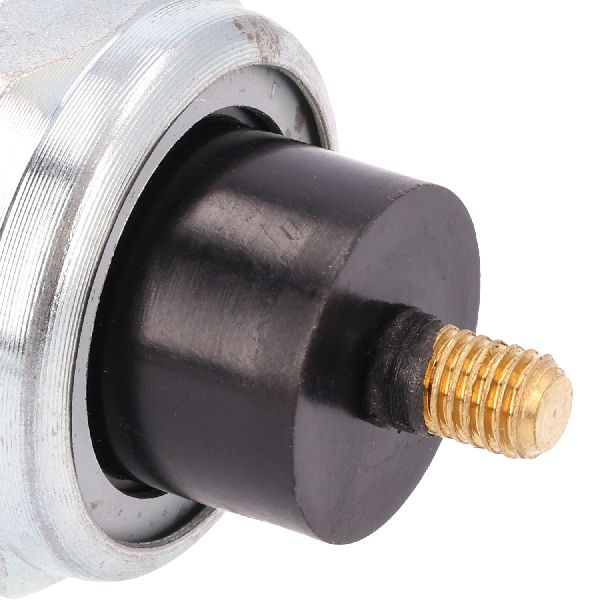
The knock sensor for this generation is a piezoelectric sensor that generates an AC voltage signal when it detects specific engine vibration frequencies. It typically uses a single-pin connector and is secured to the engine block with a single bolt.
We Have This Part in Stock


The information in this article is provided for general reference and educational purposes only. Vehicle specifications, procedures, and part compatibility can vary by production date, trim level, and region. Always consult your vehicle's factory service manual and verify part numbers before purchasing or performing repairs. Safety-critical components such as airbags, seat belts, and braking systems should be installed by a qualified professional.
- Dodge Caravan: