

Mazda RX-7 Accessory Drive Belt Guide (1984-1995)
Keep your rotary running right by understanding its unique accessory belt system.
- Your RX-7 uses multiple individual belts, not a single serpentine belt; a failure of the water pump belt can quickly cause engine damage.
- Do not trust parts store computers for belt sizes; verify part numbers on enthusiast forums or measure your old belts to ensure you get the right ones.
- Bando and Mitsuboshi are OEM-quality choices, while Gates and Continental are excellent premium aftermarket options.
- Avoid over-tightening the new belts, as this is a common mistake that can lead to bearing failure in the alternator, water pump, or even the engine itself.
Signs of a Failing Accessory Belt
A worn-out accessory belt on your RX-7 will give you some warning signs. Ignoring them can leave you stranded. Look out for these symptoms:
- Squealing Noises: A high-pitched squeal, especially on startup or at high RPM, is the most common sign of a problem. This can be caused by a worn, glazed belt or incorrect tension.
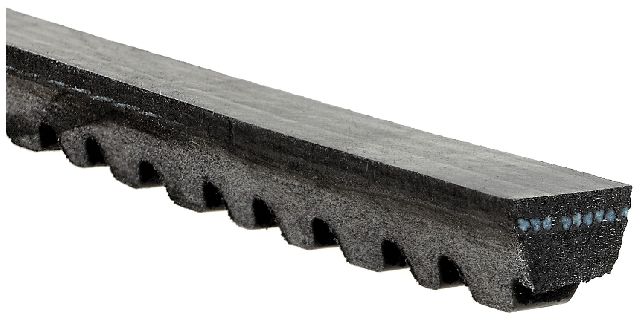
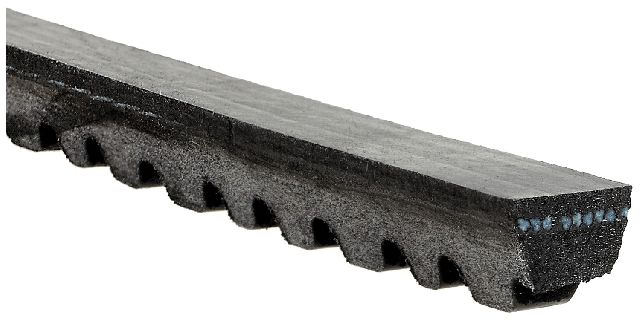
- Visible Wear and Damage: Inspect your belts regularly. If you see cracks, fraying, missing ribs, or a shiny, glazed surface, it's time for a replacement.
- Accessory Malfunctions: If your battery isn't charging (dim lights), power steering feels heavy, or the A/C isn't cold, a slipping or broken belt could be the cause.
- Overheating: This is the most critical symptom. The water pump is vital for cooling the rotary engine. If the belt driving it fails, your engine temperature will rise quickly, risking catastrophic damage.
A Note on Belt Tension
Incorrect belt tension is a major issue on RX-7s. Belts that are too loose will squeal and slip, failing to power accessories properly. Belts that are too tight cause extreme stress on the bearings of your alternator, water pump, and even the engine's stationary gears, leading to expensive failures. The belt should have about a half-inch of deflection when pressed on, but always follow the factory service manual for exact specifications.
Choosing the Right Aftermarket Belts
Since genuine Mazda belts for these models are often discontinued, the aftermarket is your only option. Luckily, several high-quality brands are available. The key is choosing the correct size, as parts store computers are notoriously unreliable for this car. Whenever possible, use part numbers from enthusiast forums or measure your old belts.
Brand Quality Tiers
- OEM-Supplier Quality (Best): Bando and Mitsuboshi are well-regarded as original equipment suppliers for many Japanese vehicles. Choosing these brands is as close to OEM as you can get and is a top choice for reliability. Bando is a frequently recommended brand in the RX-7 community.
- Premium Aftermarket (Excellent): Gates and Continental are top-tier aftermarket brands with a strong reputation for quality and durability, often considered equal to OEM. Gates is a very popular and trusted brand among mechanics and car enthusiasts.
- Standard Aftermarket (Good): Dayco is a widely available and affordable brand that offers reliable performance for daily driving. While some owners have reported occasional noise issues, they are generally a dependable choice.
Pro Tip: Generation & Modification Matter
The 1984-1995 period covers three RX-7 generations (late FB, FC, and FD), each with different belt configurations. Furthermore, many RX-7s have been modified with aftermarket pulleys or have had the air pump removed. These changes will require a different belt length than stock. Always confirm the belt part number for your specific setup.
Estimated Costs for Accessory Belt Replacement
| Part | Price Range |
|---|---|
| New Aftermarket Belts (Individual) | $2.60 - $37.45 |
| Shop Labor | $100 - $200 |
Frequently Asked Questions
How many belts does my RX-7 have?
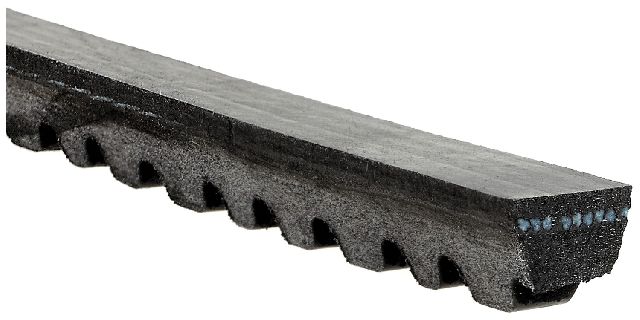
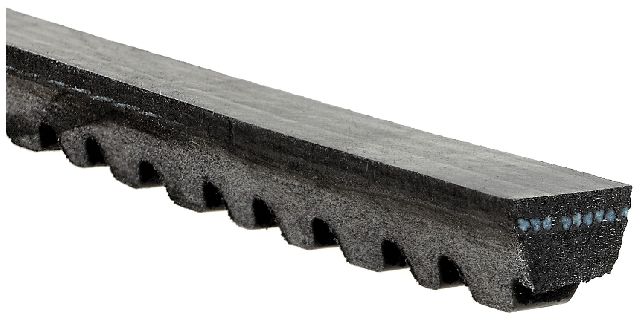
It depends on the year and options. Your car does not have a single serpentine belt. It has a system of 2 to 4 individual V-belts or multi-rib belts that drive different accessories like the alternator, water pump, A/C, and power steering.
Why do parts stores always list the wrong belt size?
This is a common and frustrating problem for RX-7 owners. The databases used by many auto parts stores are often inaccurate for these older, enthusiast vehicles. It is highly recommended to verify part numbers on owner forums (like RX7Club.com) or to carefully measure your old belts before purchasing new ones.
I removed my air pump. Do I need a different belt?
Yes. On FB and FC models, removing the air pump changes the belt routing. This can cause the water pump belt to slip at high RPM, leading to overheating. Many owners install a dual-belt alternator pulley to solve this problem, which will require different belts.
Is replacing the accessory belts a good DIY job?
Yes, for those with basic mechanical skills, this is a very manageable job. It requires basic hand tools to loosen the tensioners on each accessory, swap the belts, and re-tension them correctly. The most important part is achieving the correct tension to avoid damaging other components.
Technical Specifications
The 1984-1995 RX-7 uses a system of multiple V-belts or multi-rib belts. The specific quantity, length, and type depend on the generation (FB, FC, FD), engine (Turbo or N/A), and accessories installed (A/C, power steering, air pump). OEM belts are largely discontinued.
We Have This Part in Stock

The information in this article is provided for general reference and educational purposes only. Vehicle specifications, procedures, and part compatibility can vary by production date, trim level, and region. Always consult your vehicle's factory service manual and verify part numbers before purchasing or performing repairs. Safety-critical components such as airbags, seat belts, and braking systems should be installed by a qualified professional.
- Mazda RX-7: