

Ford Bronco Engine Mounts: A Guide for 1984-1996 Models
Stop the shaking and clunking by choosing the right replacement engine mounts for your full-size Bronco.
- Vibration at idle and clunking noises on acceleration are the most common signs of failure.
- Your Bronco has two engine mounts and one transmission mount; it's best to replace engine mounts in pairs.
- Aftermarket brands like Anchor, DEA, and Westar are affordable but have mixed reviews on longevity.
- Always verify the mount is correct for your Bronco's specific engine (4.9L, 5.0L, or 5.8L) before ordering.
Signs of a Bad Engine Mount on a Bronco
Worn engine mounts on a 1984-1996 Bronco will make their presence known. Because these are relatively simple rubber and metal parts, failure symptoms are usually straightforward. Look out for these common signs:
- Excessive Vibration: This is the most common symptom. You might feel a strong vibration through the steering wheel, floor, or seats, especially when the truck is idling in gear or at low RPMs.
- Clunking or Thumping Noises: Loud clunks or bangs when you accelerate, decelerate, or shift from drive to reverse are a clear sign of a broken mount. This noise is the engine physically moving and hitting other components because it's no longer held securely.
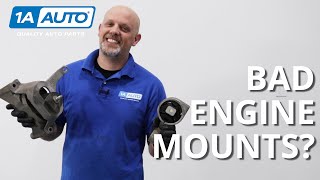
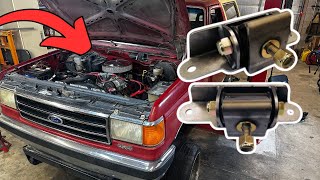
- Visible Engine Movement: Open the hood and have a friend help you. With the parking brake set and their foot firmly on the brake pedal, have them shift from Park to Reverse, and then to Drive. If you see the engine lurch or lift more than an inch or two, a mount has failed. 🎬 Watch: How to diagnose and test for bad engine mounts
Don't Ignore a Bad Mount
Driving with a completely failed engine mount can cause serious problems. The excessive engine movement can damage other parts like radiator hoses, wiring harnesses, and exhaust components, leading to more expensive repairs down the road.
Choosing the Right Aftermarket Engine Mount
Since genuine Ford (OEM) mounts for this generation of Bronco are often discontinued, the aftermarket is your primary source for new parts. The brands available are typically budget-focused. Here’s an honest look at what you can expect:
Value Brands: Anchor, DEA, Westar, Pioneer
These brands offer the most affordable engine mounts. You can often buy a pair for under $50. However, quality and longevity can be inconsistent. Forum discussions among truck owners show mixed results; some users report these mounts failing in less than a year, while others have had them last for many thousands of miles. The rubber used in these mounts may be harder than the original, which can transmit slightly more vibration into the cabin.
- Pro Tip: When buying from value brands, inspect the part before installation. Compare it to the old mount to ensure the bolt holes line up and the overall construction looks solid. Given the low cost, some owners consider them a wearable item they might have to replace more often than an OEM part.
OEM vs. Aftermarket Quality
For a vehicle like the 1984-1996 Bronco, a high-quality aftermarket mount can be a perfectly good choice. The original mounts are a simple design without the complex hydraulics of modern vehicles. The main difference in quality comes down to the rubber compound used. While OEM rubber was typically designed for the best balance of vibration damping and longevity, many aftermarket options provide a cost-effective solution that gets the job done. For a daily driver or a light-duty truck, an aftermarket mount is often sufficient.
Common Ordering Mistakes
The biggest mistake is ordering the wrong part for your specific Bronco. Always verify the following before you buy:
- Engine Size: Mounts for the 4.9L (300 ci) I-6, 5.0L (302 ci) V8, and 5.8L (351W) V8 are often different.
- Drivetrain: Some mounts may differ between 2WD and 4WD models.
- Left vs. Right: The driver's side (left) and passenger's side (right) mounts are not always interchangeable. Ensure you are buying the correct side or a complete kit.
| Part Type | Estimated Cost (Per Mount) |
|---|---|
| New Aftermarket | $18 - $52 |
| New OEM | Generally unavailable/discontinued |
| Shop Labor (per pair) | $150 - $375 |
Frequently Asked Questions
How many engine mounts does my Bronco have?
Your 1984-1996 Bronco has two engine mounts (left and right) and one transmission mount at the rear of the transmission. It is highly recommended to replace both engine mounts at the same time, even if only one has failed. Many owners also replace the transmission mount at the same time.
Can I replace engine mounts myself?
Yes, this is a DIY-friendly job for someone with mechanical experience and the right tools. It typically involves supporting the engine with a floor jack and a block of wood, unbolting the old mount, and installing the new one. Plan for it to take a few hours.
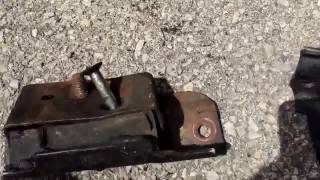
🎬 Watch: Step-by-step DIY engine mount replacement guideAre polyurethane mounts a good upgrade?
Polyurethane mounts are much stiffer and more durable than rubber, making them a popular choice for off-road or performance builds. However, they do not absorb vibration as well as rubber. This means you will feel more engine vibration inside the cab, which can be a downside for a daily driver.
🎬 See this walkthrough for installing heavy duty motor mountsAre there any recalls for Bronco engine mounts?
No. Searches of the NHTSA database show no recalls or technical service bulletins (TSBs) specifically for engine mounts on the 1984-1996 Ford Bronco. Recalls you may see online are for newer generation Broncos.
Helpful Videos
Technical Specifications
OEM Part Numbers: D8TZ6038D
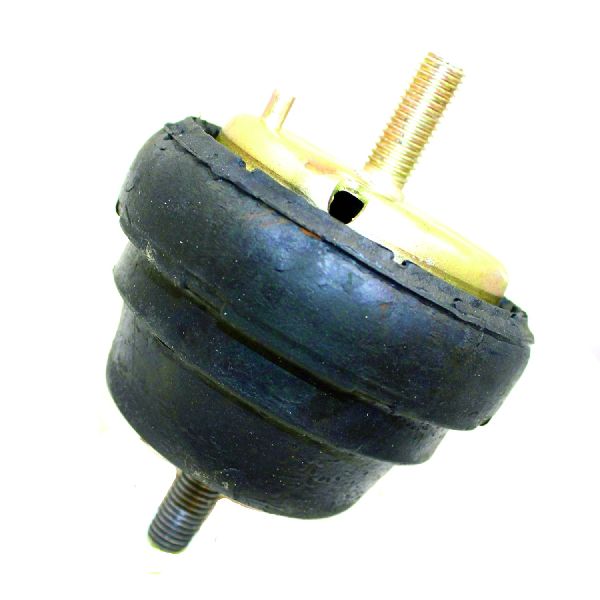
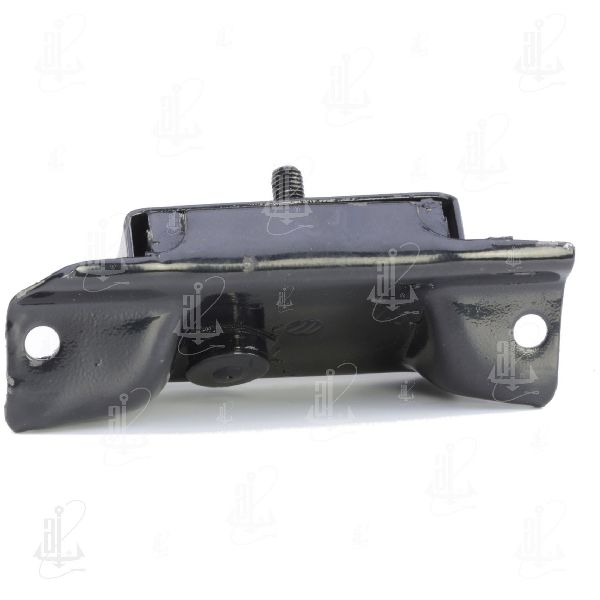
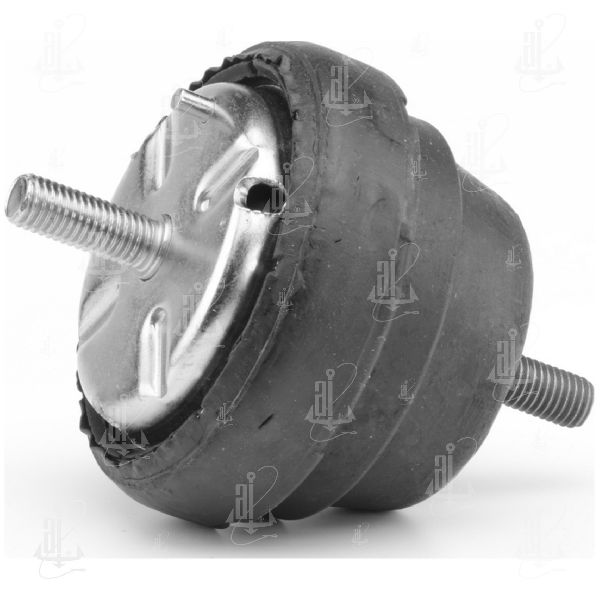
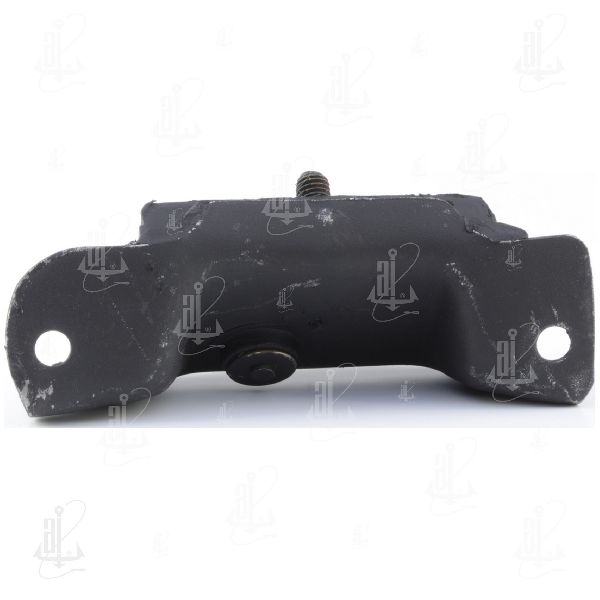
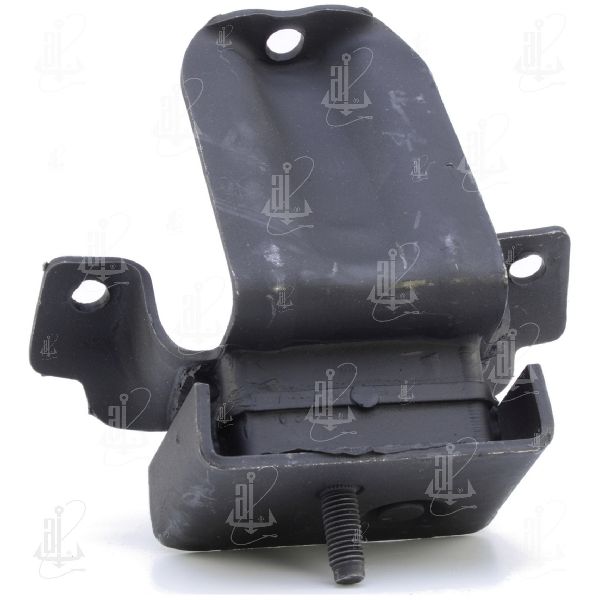
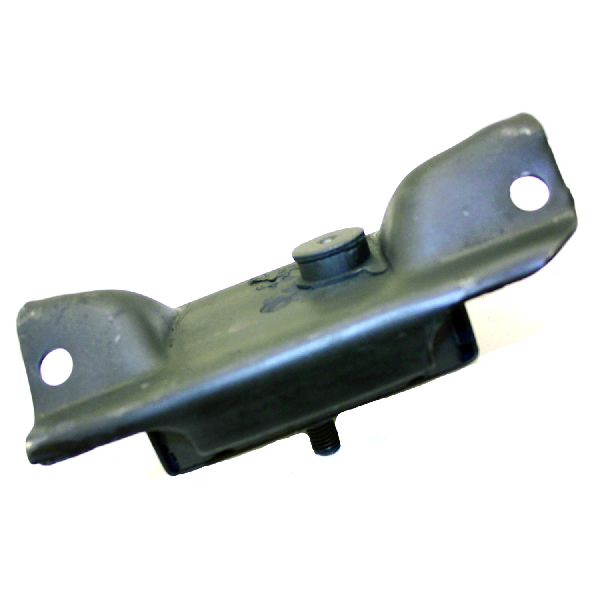
The 1984-1996 Ford Bronco uses two solid rubber and steel engine mounts, one on each side of the engine block, plus a single transmission mount. They are specific to the engine type (I-6 or V8) and sometimes the drivetrain (2WD/4WD). Unlike modern vehicles, these are not hydraulic or electronic.
We Have This Part in Stock

The information in this article is provided for general reference and educational purposes only. Vehicle specifications, procedures, and part compatibility can vary by production date, trim level, and region. Always consult your vehicle's factory service manual and verify part numbers before purchasing or performing repairs. Safety-critical components such as airbags, seat belts, and braking systems should be installed by a qualified professional.
- Ford Bronco: