

Ford F-150 Throttle Position Sensor Guide (1984-1996)
Solving hesitation, stalling, and rough idle on your 1984-1996 Ford F-150 starts with this critical sensor.
- A failing TPS on a 1984-1996 F-150 causes hesitation, stalling, high idle, and poor automatic shifting.
- The sensor is located on the bottom of the throttle body, requiring its removal for replacement.
- Aftermarket part quality varies greatly; choosing a reputable brand like Delphi or Standard Ignition can prevent repeat repairs.
- Proper adjustment after installation is critical; aim for 0.90-0.99 volts at closed throttle.
Is Your F-150's Throttle Position Sensor Failing?
When a TPS starts to go bad, it gives the engine's computer false information. This can make your reliable F-150 drive poorly. The symptoms often start small but get worse over time. You might notice a slight hesitation one day, and then stalling at stoplights a few weeks later. Because the TPS is a key sensor for both the engine and transmission, a single bad one can cause a wide range of problems.
Common Symptoms of a Bad TPS
- Hesitation or Stumbling: The truck might stumble or feel like it's losing power for a second when you press the gas.
- Stalling: The engine may stall when you come to a stop or when you try to accelerate from a standstill.
- Erratic or High Idle: The engine might idle way too high, or the idle speed might surge up and down on its own.
- Poor Acceleration: Your truck feels weak and sluggish, with no real power when you push the pedal.
- Harsh or Late Shifting: If you have an automatic, the transmission may slam into gear, shift at the wrong times, or feel indecisive.
- Check Engine Light: A failing TPS will often trigger the Check Engine Light.
Choosing the Right Aftermarket TPS
When shopping for a new aftermarket TPS for your F-150, you'll find a wide range of brands and prices. For a sensor this critical to drivability, quality matters. Many owners have reported that cheap, no-name sensors can fail quickly, forcing them to do the job all over again. It's often worth spending a little more for a part from a reputable manufacturer.
Aftermarket Brand Tiers
Based on owner experiences and general industry reputation, aftermarket brands for this part can be grouped into tiers:
- Tier 1 (Good Quality): Brands like Delphi and Standard Ignition (SMP) are often considered reliable choices. Delphi is a major OE supplier, and their parts are generally built to high standards. These are a solid alternative to the more expensive OEM Motorcraft part.
- Tier 2 (Mid-Grade / Mixed Reviews): This tier includes brands like Dorman and Walker Products. While they are major aftermarket names, quality can be inconsistent for electronic sensors. A sensor from one of these brands might work perfectly for years, or it might fail prematurely. It can be a bit of a gamble.
- Tier 3 (Economy): This includes house brands and other low-cost options like Replacement or True Tech. While the low price is tempting, these parts have the highest likelihood of early failure. They are best avoided unless it's an emergency and no other options are available.
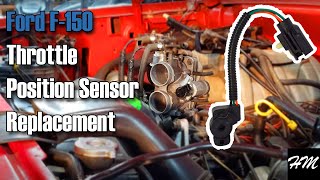
Pro Tip: Because replacing the TPS on these trucks requires removing the entire throttle body, it's smart to invest in a quality part to avoid doing the labor twice. 🎬 Watch this step-by-step guide to replacing the sensor yourself. While you have the throttle body off, it's a great time to clean it and the Idle Air Control (IAC) valve with throttle body cleaner.
Cost of Replacing the Throttle Position Sensor
| Part Type | Typical Cost |
|---|---|
| New Aftermarket | $24 - $111 |
| New OEM (Motorcraft) | $70 - $120 |
| Shop Labor | $150 - $250 |
Frequently Asked Questions
Why is the TPS on my F-150 on the bottom of the throttle body?
Ford mounted the throttle body vertically on the intake manifold for these engines. To keep the throttle linkage on top for the accelerator cable, the opposing side for the sensor ended up on the bottom. This makes replacement more difficult than on cars where it's easily accessible on the side.
Do I need to adjust the new TPS?
Yes, proper adjustment is key. After installing the new sensor, you should use a multimeter to check the voltage on the signal wire with the key on and the engine off. The voltage should be between 0.90 and 0.99 volts at closed throttle. Some mechanics slightly enlarge the sensor's mounting holes with a drill bit to allow for tiny rotational adjustments to get the voltage perfect.
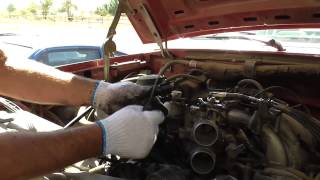
🎬 See how to modify and adjust your TPS voltage correctly.Can a bad TPS cause a no-start condition?
It's possible, but less common than other symptoms. A TPS that has failed completely and is sending a 'wide-open throttle' signal to the computer can cause a flooding condition that makes the engine very hard to start. More commonly, it will cause a long crank time before the engine finally starts.
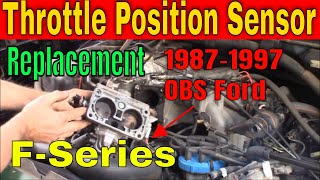
🎬 Watch: Complete TPS replacement and idle reset procedure walkthrough.Are there any recalls for the TPS on these trucks?
No. Searches of the National Highway Traffic Safety Administration (NHTSA) database show no recalls or specific investigations for the throttle position sensor on 1984-1996 Ford F-150 models.
Helpful Videos

Technical Specifications
OEM Part Numbers: E7TZ-9B989-D F4SZ-9B989-A E9TZ-9B989-A E6TZ-9B989-A
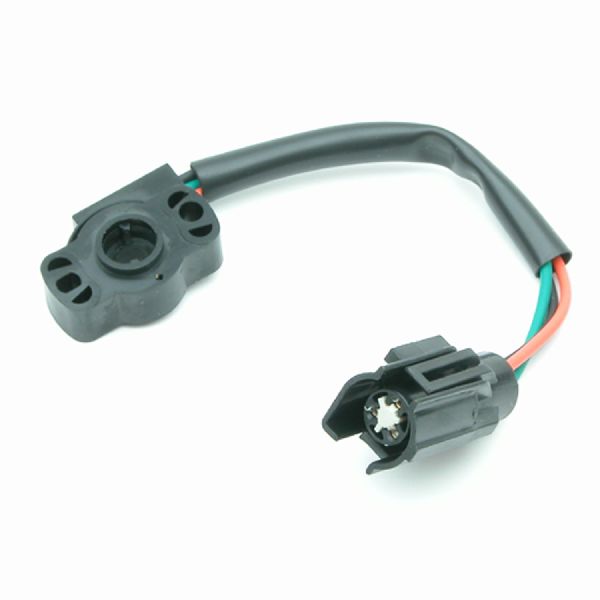
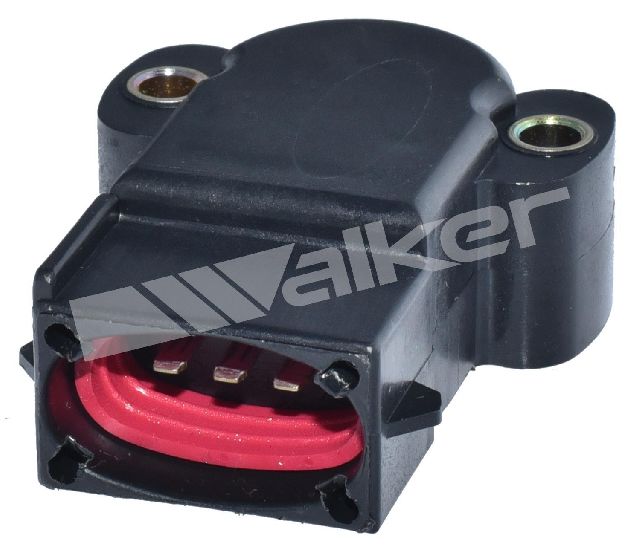
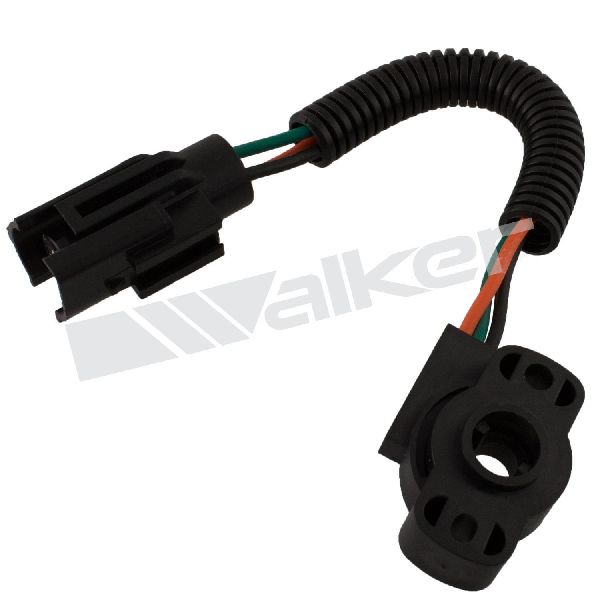
3-pin electrical connector, potentiometer type sensor. Operates on a 5-volt reference signal from the ECU.
We Have This Part in Stock


The information in this article is provided for general reference and educational purposes only. Vehicle specifications, procedures, and part compatibility can vary by production date, trim level, and region. Always consult your vehicle's factory service manual and verify part numbers before purchasing or performing repairs. Safety-critical components such as airbags, seat belts, and braking systems should be installed by a qualified professional.
- Ford F-150: