

Jeep Cherokee XJ Manifold Absolute Pressure (MAP) Sensor Guide for 1984-1996
Solve your XJ's rough idle, poor fuel economy, and hesitation by understanding this critical engine sensor.
- A bad MAP sensor is a very common cause of poor running conditions in 1984-1996 Jeep Cherokees, including bad mileage, rough idle, and hesitation.
- Before replacing the sensor, always inspect the vacuum hose and electrical connector for cracks, leaks, or damage, as this is a frequent and cheaper failure point.
- Aftermarket brand quality varies significantly; spending more for a reputable brand like Standard Ignition, NGK, or Crown can prevent premature failure.
- Ensure you buy the correct part for your year, as Renix (firewall-mounted) and HO (throttle-body-mounted) systems use different sensors.
Understanding Your XJ's MAP Sensor
If your 1984-1996 Jeep Cherokee XJ is running rough, guzzling gas, or hesitating when you step on the pedal, a faulty Manifold Absolute Pressure (MAP) sensor is a likely culprit. This small but crucial sensor provides the engine computer with the data it needs to properly manage fuel delivery and ignition timing. When it fails, the engine's performance suffers significantly. This guide will walk you through the symptoms, how to choose the right aftermarket replacement, and what to expect during the replacement process.
Symptoms of a Failing MAP Sensor
A bad MAP sensor can cause a range of problems, from annoying to severe. Because the sensor provides incorrect data to the computer, the engine can run too rich (too much fuel) or too lean (not enough fuel). Common signs include:
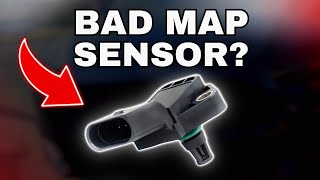
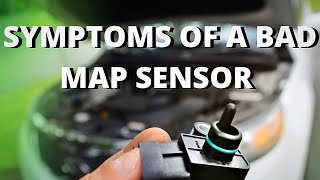
🎬 Watch a breakdown of the top 10 bad MAP sensor symptoms.- Poor Fuel Economy: One of the most common complaints. An incorrect reading can cause the computer to inject more fuel than necessary.
- Rough Idle: The engine may shake, stumble, or idle erratically.
- Engine Hesitation or Stumbling: You might notice a lack of power or a bucking sensation when you accelerate.
- Black Smoke from Exhaust: This is a clear sign of a rich fuel mixture, where unburned fuel is being sent out the tailpipe.
- Stalling: In more severe cases, the engine may stall unexpectedly, especially at idle or after stopping.
- Check Engine Light: For 1996 models with OBD-II, codes like P0107 (Circuit Low Input) or P0108 (Circuit High Input) may appear. Earlier OBD-I models may throw a code 14.
Check the Simple Things First
Before you buy a new sensor, inspect the vacuum line that connects to it. These lines can become brittle, cracked, or clogged over 20+ years, causing the same symptoms as a bad sensor. Also, check the electrical connector for corrosion or damage. A simple vacuum leak is a very common point of failure.
Choosing the Right Aftermarket MAP Sensor
While a Mopar (OEM) sensor is often recommended by purists, they can be expensive or hard to find for older vehicles. The aftermarket offers a wide range of options. Quality can be inconsistent with some cheaper brands, so it's important to choose wisely.
- Premium Brands (NGK/NTK, Standard Ignition, Delphi): These brands are well-regarded in the Jeep community for their quality and reliability. They are often manufactured to meet or exceed original equipment specifications. While an occasional bad part can slip through, they are generally a safe bet.
- Jeep Specialist Brands (Crown Automotive, Omix-Ada): These companies specialize in Jeep replacement parts. They offer a good balance of quality, fit, and price, making them a popular choice for many XJ owners.
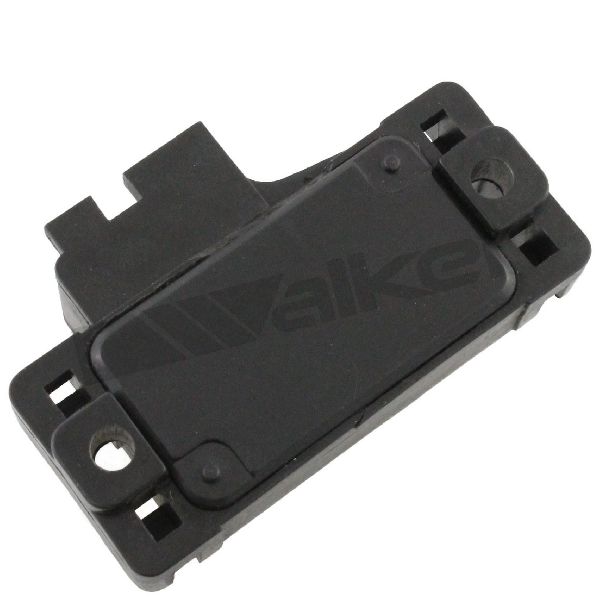
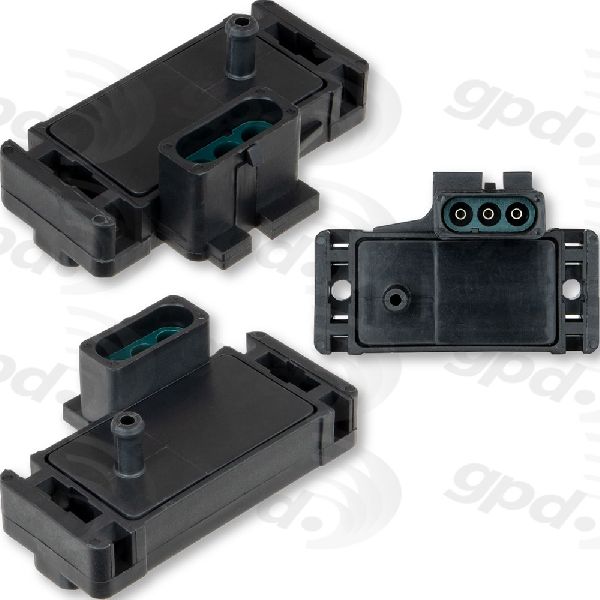
- Economy Brands (Global Parts, True Tech, Walker): These are the most budget-friendly options. While tempting, be aware that quality control can be a gamble. An economy sensor might work fine, or it could be faulty out of the box or fail prematurely.
Renix vs. HO: Know Your Year
The MAP sensor and its location are different for pre-1991 (Renix) and 1991-1996 (HO) models. Renix-era Jeeps typically have the MAP sensor mounted on the firewall. On HO models, the sensor is usually mounted directly to the throttle body. Ensure you are purchasing the correct part for your specific year and engine management system.
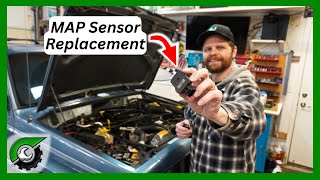
🎬 See how to locate and replace the sensor on a 1996 XJ.Cost of Replacing a MAP Sensor
| Item | Estimated Cost |
|---|---|
| New Aftermarket Part | $32.53 - $100.21 |
| New OEM (Mopar) Part | $115 - $180+ (if available) |
| Used OEM Part (Junkyard) | $20 - $40 |
| Shop Labor | $50 - $125 |
Frequently Asked Questions (FAQ)
Can I clean my MAP sensor?
No, MAP sensors are sealed electronic units and cannot be cleaned. If the sensor is faulty, it must be replaced. You can, however, clean the port on the throttle body where it mounts to ensure there is no carbon buildup blocking the vacuum passage.
Is this a difficult part to replace myself?
No, this is a very easy job for a DIY mechanic. It typically involves removing two small bolts, a vacuum line, and an electrical connector. The entire process usually takes less than 30 minutes.
🎬 Follow this step-by-step video guide for a quick DIY replacement.What tools do I need?
You will need basic hand tools. For most 1991-1996 models, you'll need a T25 Torx driver or socket. For earlier models mounted on the firewall, a 7mm socket and wrench are common.
Why are some aftermarket sensors so cheap? Is it worth the risk?
Cheaper sensors often use lower-quality internal components and may have less stringent quality control. While they might work, they have a higher rate of being dead-on-arrival or failing prematurely. Many experienced owners recommend spending a little more on a reputable brand to avoid doing the job twice.
Helpful Videos

Technical Specifications
OEM Part Numbers: 33000153 56026770 56028303
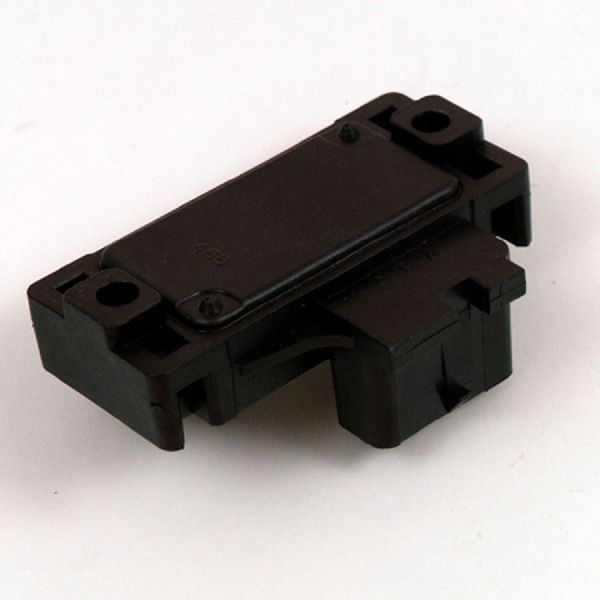
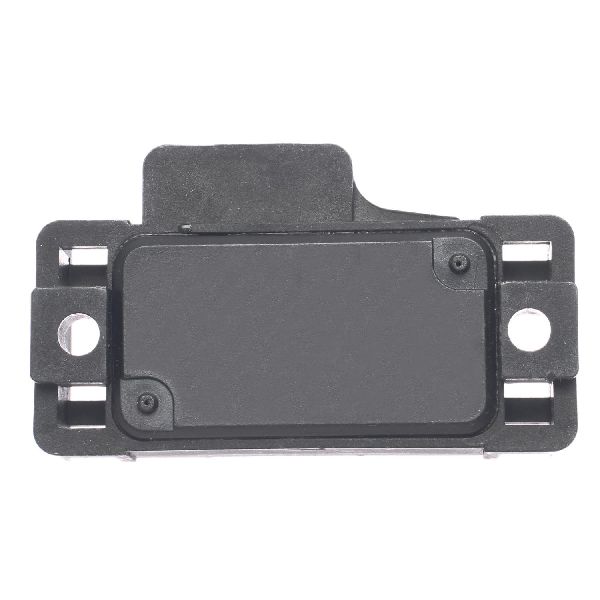
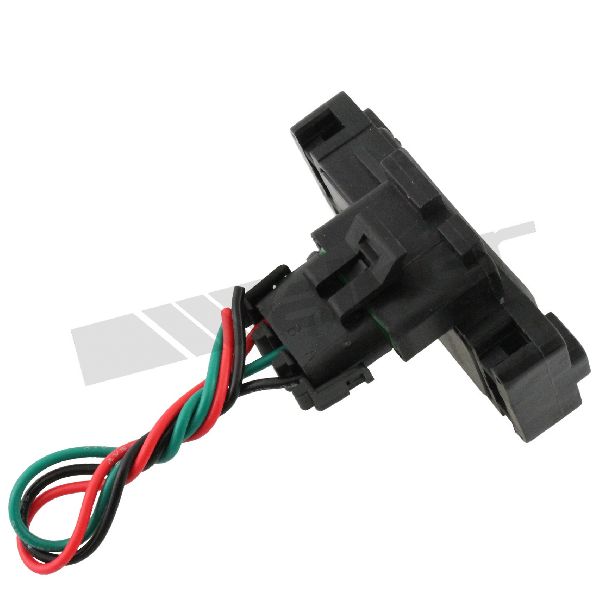
The MAP sensor for the Jeep Cherokee XJ is a three-wire sensor that measures pressure changes in the intake manifold. It receives a 5-volt reference from the ECU, has a ground wire, and sends a variable voltage signal back to the ECU. On Renix models (pre-1991), it is typically mounted on the firewall and connected by a vacuum hose. On HO models (1991-1996), it is mounted directly to the throttle body.
We Have This Part in Stock


The information in this article is provided for general reference and educational purposes only. Vehicle specifications, procedures, and part compatibility can vary by production date, trim level, and region. Always consult your vehicle's factory service manual and verify part numbers before purchasing or performing repairs. Safety-critical components such as airbags, seat belts, and braking systems should be installed by a qualified professional.
- Jeep Cherokee: