

Choosing the Right Spark Plugs for Your 1984-2002 Toyota 4Runner
Keep your legendary 4Runner engine running smoothly with the correct set of new aftermarket spark plugs.
- Stick with OEM brands Denso or NGK for best performance and reliability in your 4Runner's engine.
- For 3.4L V6 (5VZ-FE) engines, you must use the specified dual-electrode spark plugs to match the waste spark ignition system.
- Always check the spark plug gap before installation; do not assume they are correct out of the box.
- Beware of counterfeit spark plugs from non-reputable online sellers; buy from trusted sources.
Signs of Failing Spark Plugs in a 4Runner

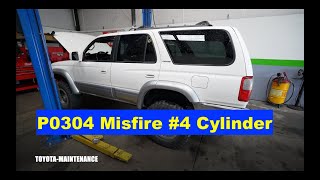
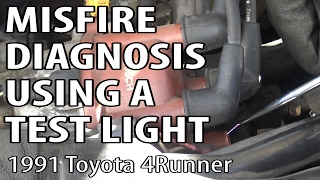
When your 4Runner's spark plugs start to wear out, you'll likely notice a few key symptoms. A bad plug can't create a strong enough spark, leading to incomplete combustion. This can cause your engine to misfire, which you might feel as a stutter or hesitation during acceleration. Other common signs include a rough idle, difficulty starting the engine, reduced fuel efficiency, and a general feeling that the vehicle is sluggish or 'off'. If you see the check engine light, especially if it's flashing, it could be signaling a misfire caused by a bad spark plug.
Don't Ignore a Flashing Check Engine Light
A flashing check engine light indicates a severe engine misfire. This can quickly damage your catalytic converter, a very expensive repair. If this happens, you should reduce your speed and get the vehicle checked as soon as possible.
Choosing the Right Aftermarket Spark Plugs

For Toyota vehicles, sticking close to the original equipment (OE) design is almost always the best path. The original spark plugs for these 4Runners were made by Denso and NGK. These two brands are the top recommendation by mechanics and experienced owners for reliability and performance in a Toyota engine.
Brand Tiers for Your 4Runner
- Top Tier (OEM Equivalent): Denso and NGK are the original equipment manufacturers for Toyota. Choosing plugs from these brands that are specified for your exact engine (22R/22RE, 3VZE, or 5VZ-FE) is the safest bet for performance and longevity. Many owners report that these engines run best on the factory-style plugs. It's even been noted that some 3rd Gen 4Runners came from the factory with Denso plugs on one side of the V6 engine and NGK on the other.
- Mid-Tier (Reputable Aftermarket): Brands like Bosch and Autolite offer compatible spark plugs. While some owners use them without issue, others have found that Toyota engines can be sensitive and may not run as smoothly with plugs that deviate from the original Denso or NGK design. For example, some forum users have advised against certain Bosch plugs for these engines, claiming they can burn too hot.
- Economy Tier: While brands like Champion and Accel are available, most experienced 4Runner owners and mechanics strongly recommend sticking with Denso or NGK for these specific engines to avoid potential performance issues.
A Note on Plug Design (Dual vs. Single Electrode)
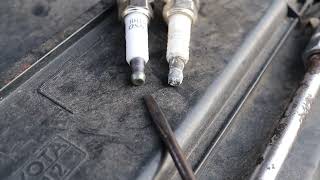
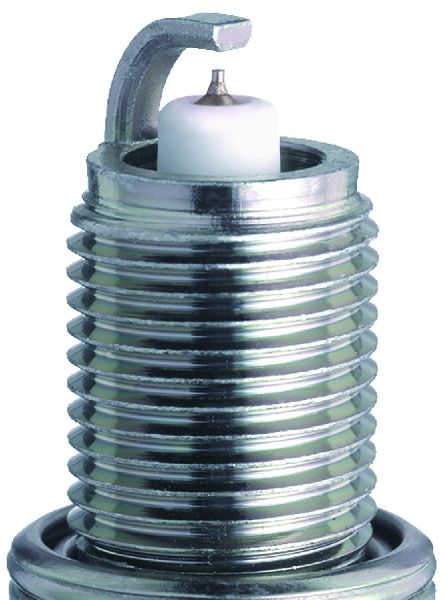
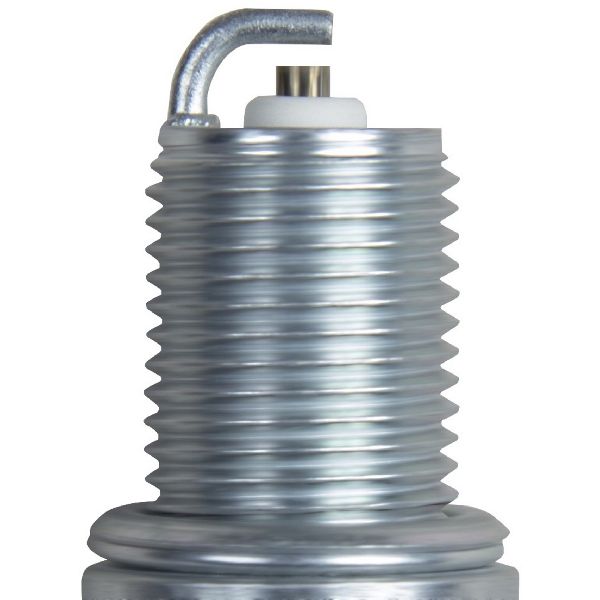
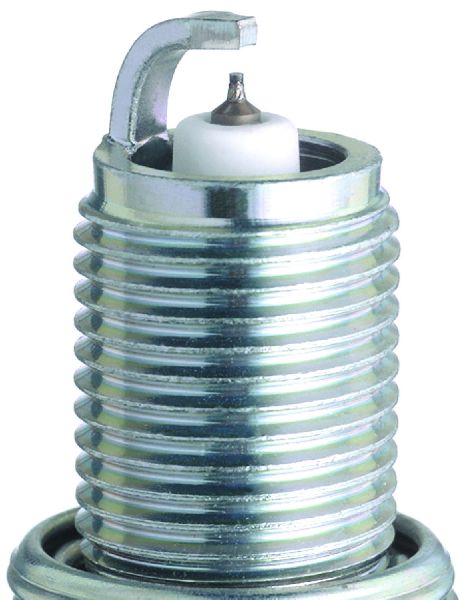
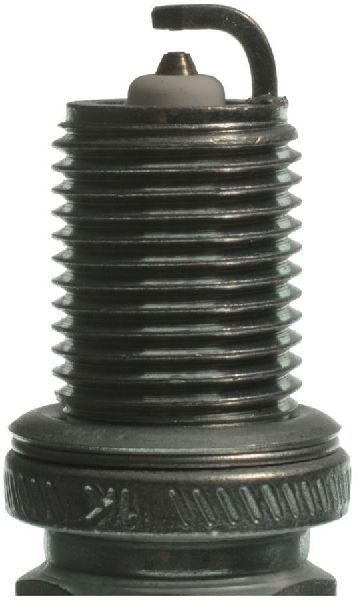
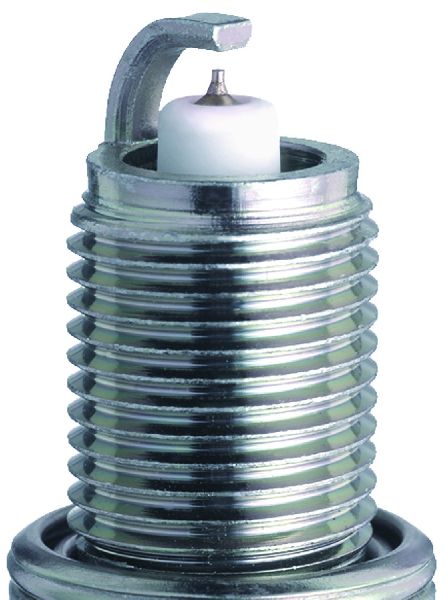
The 3.4L V6 (5VZ-FE) engine in the 3rd Gen 4Runner (1996-2002) uses a 'waste spark' ignition system. Because of this, the plugs fire twice as often. Toyota used dual-electrode spark plugs from Denso and NGK to ensure a long service life. When replacing plugs on this engine, it is highly recommended to use the same dual-electrode design to maintain the original performance and replacement interval. Using a single-electrode plug may cause it to wear out much faster.
Generation and Engine Differences

The 1984-2002 4Runner spanned three generations and used several different engines, each with specific spark plug requirements.
- 1st Gen (1984-1989) & 2nd Gen (1990-1995) - 2.4L 4-Cylinder (22R/22RE): These reliable engines work best with standard Denso or NGK copper plugs. They are simple, effective, and what the engine was designed for.
- 2nd Gen (1989-1995) - 3.0L V6 (3VZE): This engine also performs best with OEM-style Denso or NGK plugs. The Denso K16RU is often cited as the ideal plug for the 3VZE.
- 3rd Gen (1996-2002) - 3.4L V6 (5VZ-FE): As mentioned, this engine requires dual-electrode spark plugs from Denso or NGK for best results due to its waste spark system. The OEM part number is often cited as 90919-01192.
| Tier | Brands | Price per Plug (Est.) | Material |
|---|---|---|---|
| Top Tier (OEM-Style) | Denso, NGK | $2.50 - $8.00 | Copper/Nickel, Dual Electrode (for 5VZ-FE) |
| Performance Upgrade | Denso, NGK | $7.00 - $15.00 | Iridium, Platinum |
| Mid-Tier / Economy | Autolite, Bosch, Champion | $3.00 - $10.00 | Copper, Platinum |
Frequently Asked Questions
Should I use Iridium or Platinum plugs in my old 4Runner?
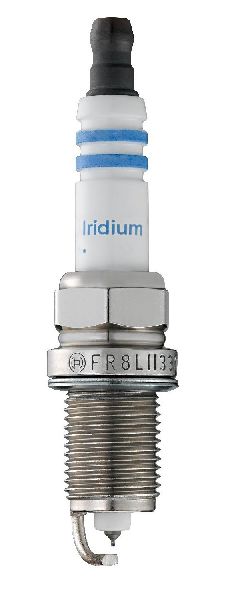
While modern iridium and platinum plugs last longer, the ignition systems in these older 4Runners were designed for basic copper/nickel plugs. Many experts suggest that using expensive plugs offers no performance benefit and may even cause issues if the ignition system isn't designed for them. For the 3.4L V6, the key is the dual-electrode design, not necessarily the material. Sticking with the OEM-specified Denso or NGK plugs is the most reliable choice.
Do I need to gap my new spark plugs?
Yes, you should always check the gap before installation, even if the plugs come 'pre-gapped'. Shipping and handling can cause the gap to change. The correct gap for most 1984-2000 4Runners is around 0.031"-0.032", but you must verify the exact specification for your engine. An incorrect gap can lead to poor performance and misfires.
Are there any recalls for 4Runner spark plugs?
A search of the National Highway Traffic Safety Administration (NHTSA) database shows no safety recalls specifically for spark plugs on the 1984-2002 Toyota 4Runner.
How difficult is it to change the spark plugs myself?
For most 1984-2002 4Runners, changing the spark plugs is a straightforward DIY job. On 4-cylinder engines, access is very easy. On the V6 engines, the plugs on the passenger side are under the intake plenum, which requires removing some components for access, making it slightly more time-consuming but still manageable for a home mechanic with basic tools. Always work on a cool engine and replace plugs one at a time to avoid mixing up the wires.
Should I beware of counterfeit spark plugs?
Yes. There is a known issue with counterfeit Denso and NGK spark plugs being sold online, especially on large marketplace sites. These fakes are poor quality and can cause engine problems. It is recommended to buy from reputable auto parts sources to ensure you are getting genuine parts.
Helpful Videos
Technical Specifications
OEM Part Numbers: 90919-01192 (for 3.4L V6) 90919-01176 (for 3.0L V6) K16RU (Denso for 3.0L V6) BKR5EKB-11 (NGK for 3.4L V6)
Spark Gap: ~0.031" (verify for your specific engine). Engine-specific design (e.g., dual-electrode for 5VZ-FE).
We Have This Part in Stock

The information in this article is provided for general reference and educational purposes only. Vehicle specifications, procedures, and part compatibility can vary by production date, trim level, and region. Always consult your vehicle's factory service manual and verify part numbers before purchasing or performing repairs. Safety-critical components such as airbags, seat belts, and braking systems should be installed by a qualified professional.
- Toyota 4Runner:
- 🎬 Helpful Videos
- 🛍️ Shop This Part
- Signs of Failing Spark Plugs in a 4Runner
- Don't Ignore a Flashing Check Engine Light
- Choosing the Right Aftermarket Spark Plugs
- Brand Tiers for Your 4Runner
- A Note on Plug Design (Dual vs. Single Electrode)
- Generation and Engine Differences
- Frequently Asked Questions
- 🎟️ Get 5% Off