

BMW 635CSi (1985-1989) Engine Coolant Temperature Sensor Guide
Understanding the critical engine coolant temperature sensor for your classic 6-series and how to choose the right replacement.
- This sensor is critical for fuel economy and smooth running; a failure usually causes a rich fuel mixture.
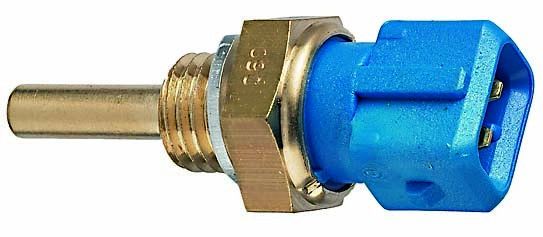
- Ensure you are replacing the correct sensor; the one for the engine computer is typically blue-topped.
- Replacement is a simple, 15-minute DIY job with basic tools.
- Due to the low cost and critical function, it's best to buy a quality aftermarket brand like Hella or Standard Ignition.
Is your 635CSi Running Rough? It Could Be a Small, Inexpensive Sensor.
The Engine Coolant Temperature (ECT) sensor is one of the most important inputs for your M30 engine's computer. When it fails, it can cause a surprising number of issues that might seem unrelated. Because it tells the computer if the engine is cold or hot, a bad sensor can make the computer deliver the wrong amount of fuel, leading to poor performance and frustration. It's a common replacement item on these classic BMWs due to age and heat cycles.
Symptoms of a Failing ECT Sensor
A failing ECT sensor often tricks the engine's computer into thinking the engine is permanently cold, even when it's fully warmed up. This leads to a rich fuel mixture, which can cause several noticeable problems:
- Poor Fuel Economy: The most common symptom. The computer injects extra fuel thinking the engine is in a cold-start phase.
- Black Exhaust Smoke: Unburned fuel exiting through the exhaust, especially noticeable on acceleration.
- Rough Idle & Stalling: The incorrect fuel mixture can make the engine run unevenly or stall, particularly when it should be at a stable operating temperature.
- Hard Starting: Especially when the engine is warm. The computer might be providing a cold-start fuel mixture to an already warm engine, causing it to flood.
- Check Engine Light: While less common on these pre-OBDII cars, a persistent fault can sometimes trigger the engine light.
A Common Point of Confusion
The E24 635CSi has multiple temperature sensors on the thermostat housing. The sensor for the engine computer (the one this article is about) typically has a blue plastic connector. There is a separate sensor, often with a white or brown top, that operates the temperature gauge on your dashboard. If your gauge isn't working but the car runs fine, you need the other sensor. If the car runs poorly but the gauge seems to work, the blue ECT sensor is the likely culprit.
Choosing the Right Aftermarket Part
For a critical engine management sensor like this, the quality of the part matters more than the price. An out-of-spec aftermarket sensor can cause the same problems as a failed one. Here's a breakdown of brand quality tiers based on reputation in the BMW community:
| Tier | Brands | Recommendation |
|---|---|---|
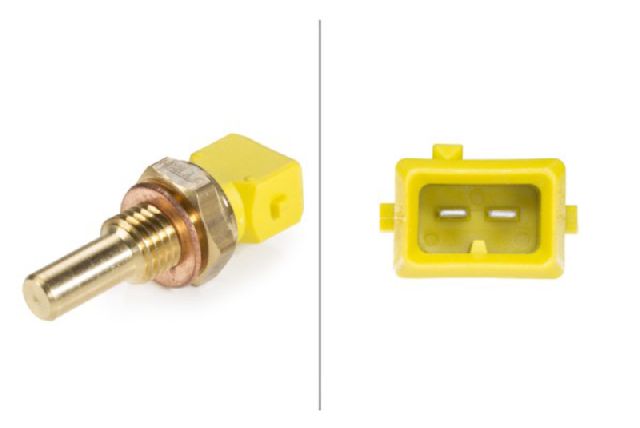
| Tier 1: OEM Supplier Quality | Hella | Hella is a well-respected German brand and a known OEM supplier for many European cars. For a critical sensor, this is a reliable choice that should meet original specifications. |
| Tier 2: Reputable Aftermarket | Standard Ignition, Facet | These are established aftermarket brands. Standard Ignition is known for broad coverage and factory testing. Facet is another common option. These are generally considered acceptable replacements if a Tier 1 brand is not available. |
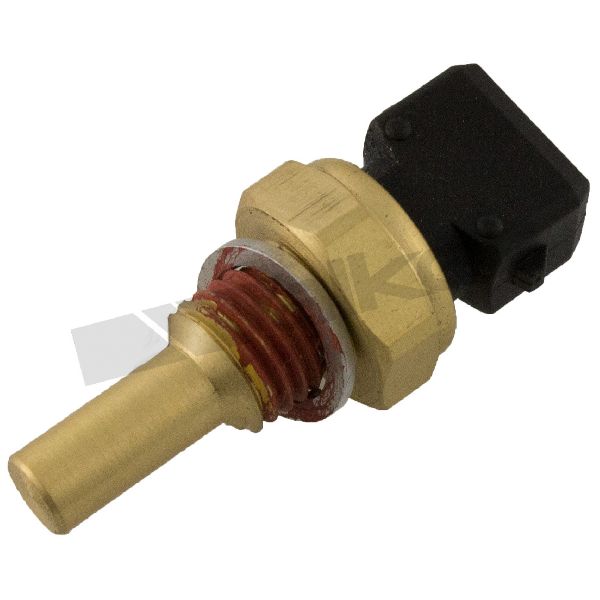
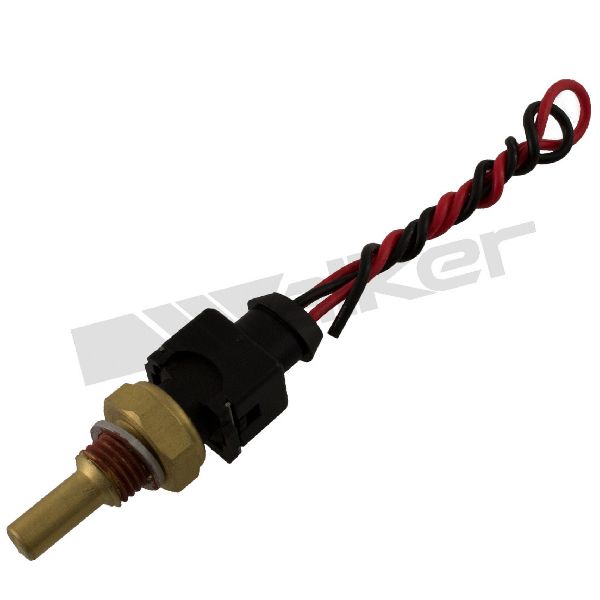
| Tier 3: Economy Brands | Global Parts, True Tech, Walker Products | These brands are typically the most affordable. While they may function, there is a higher risk of incorrect resistance values or shorter lifespan. Forum discussions often advise against using budget sensors for critical engine functions, with some users reporting issues with brands like Walker on other applications. Use with caution, and be prepared to re-diagnose if running issues persist. |
Pro Tip: Given the low cost of even the highest quality sensor (under $40), it is highly recommended to choose a Tier 1 or Tier 2 brand. The potential for continued running issues, poor fuel economy, and diagnostic frustration from a low-quality sensor outweighs the small initial cost savings.
Frequently Asked Questions (FAQ)
Is this sensor difficult to replace myself?
No, this is a very DIY-friendly job. It requires basic tools, primarily a deep socket (often 22mm) or wrench. The sensor is easily accessible on the front of the engine. Simply unplug the electrical connector, unscrew the old sensor, and quickly screw the new one in. A small amount of coolant will leak out, so have the new sensor ready to minimize loss.
Do I need to drain the coolant to replace it?
You do not need to fully drain the cooling system. If you are quick, you will only lose a few ounces of coolant. Simply remove the old sensor and immediately install the new one. Afterwards, top off the coolant reservoir as needed.
Are there any recalls or TSBs for this part?
No recalls or Technical Service Bulletins (TSBs) were found specifically for the engine coolant temperature sensor on the 1985-1989 BMW 635CSi. Recalls found for BMW coolant systems relate to much newer models and different components.
What is the difference between the blue and brown/white top sensors?
The blue top sensor sends temperature information to the engine computer (DME) to control fuel and timing. The brown or white top sensor sends information only to the temperature gauge on your instrument cluster. They are not interchangeable.
Technical Specifications
OEM Part Numbers: 13621709967 13621709966 13621284397
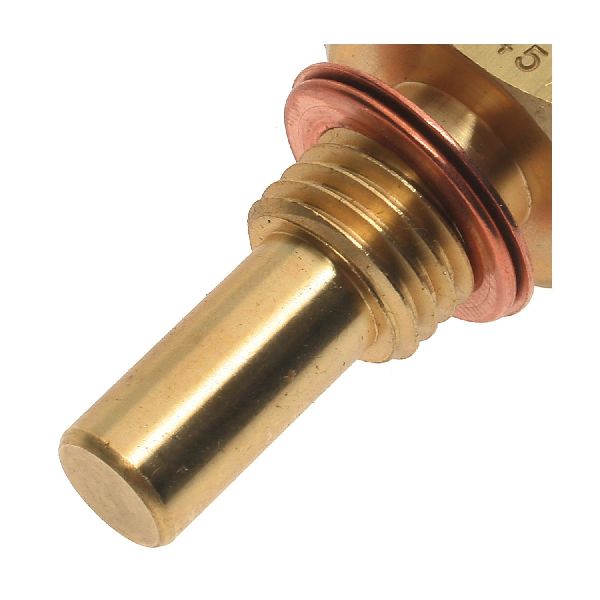
Connector: 2-Pin, Blue Body. Thread Size: M12 x 1.5
We Have This Part in Stock


The information in this article is provided for general reference and educational purposes only. Vehicle specifications, procedures, and part compatibility can vary by production date, trim level, and region. Always consult your vehicle's factory service manual and verify part numbers before purchasing or performing repairs. Safety-critical components such as airbags, seat belts, and braking systems should be installed by a qualified professional.
- BMW 635CSi: