

A Comprehensive Guide to the 1985-1989 Dodge Lancer Catalytic Converter
Find out how to diagnose a failing catalytic converter and choose the right aftermarket replacement for your Dodge Lancer.
- A clogged catalytic converter will cause severe power loss; this is the most common symptom of failure.
- Before replacing the converter, diagnose and fix the root cause (like a rich fuel mix or burning oil) to prevent damaging the new part.
- Choose a brand based on your needs: AP/Eastern for budget, Walker for reliable fit, or MagnaFlow for performance.
- A 'direct-fit' converter is easier for DIY installation, while a 'universal' model will require welding.
Is Your Lancer's Catalytic Converter Failing?
A catalytic converter doesn't have moving parts, but it can fail over time, usually by becoming clogged, contaminated, or physically breaking apart inside. On a car like the 1985-1989 Dodge Lancer, failure is often caused by an underlying engine issue, such as unburned fuel or burning oil, which damages the converter's internal structure. Recognizing the symptoms early can save you from a sudden breakdown.
Key Symptoms of a Bad Converter
- Loss of Power: This is the most common sign. If your Lancer feels sluggish, struggles to accelerate, or won't go past a certain speed, the converter may be clogged. A blockage in the exhaust acts like a potato in the tailpipe, preventing exhaust gases from escaping and choking the engine.
- Rotten Egg Smell: A strong sulfur or rotten egg smell from the exhaust indicates that the converter isn't properly processing the gases. This is often a sign that the converter's internal chemistry is failing.
- Rattling Noise: If you hear a rattling sound from under the car, especially when starting the engine or idling, it's likely that the ceramic honeycomb inside the converter has broken apart. These loose pieces can cause a blockage and further damage the exhaust system.
- Reduced Fuel Economy: When your engine has to work harder to push exhaust gases through a clogged converter, it burns more fuel.
- Check Engine Light: While the diagnostic systems on these older cars are simpler than on modern vehicles, a failing converter can sometimes trigger the check engine light.
Don't Ignore the Root Cause
A catalytic converter rarely fails on its own. It's usually killed by another problem. Common causes include a bad oxygen sensor, leaking fuel injectors, an engine that burns oil, or a coolant leak. If you replace the converter without fixing the original issue, the new one will likely fail quickly.
Choosing the Right Aftermarket Converter
Original OEM converters for a car of this age are nearly impossible to find. The aftermarket offers several options that can be categorized into different tiers of quality and price.
| Brand Tier | Brands | Best For | Notes |
|---|---|---|---|
| Economy | AP Exhaust, Eastern Catalytic | Budget-focused repairs where cost is the primary concern. | These brands provide a functional replacement at a low price. However, some users report that fitment may not be perfect, sometimes requiring minor adjustments or welding. Eastern Catalytic is part of AP Emissions. |
| Standard / OEM-Style | Walker Exhaust | Owners looking for a reliable, direct-fit style part with a reputation for good quality and easy installation. | Walker is a well-regarded brand in the exhaust industry, often considered a go-to for quality that is close to original equipment standards. |
| Performance | MagnaFlow, MagnaFlow Performance Exhaust | Drivers who may want improved exhaust flow for better performance. | MagnaFlow is known for high-quality stainless steel construction and designs that can increase horsepower by reducing exhaust backpressure. This is a premium option for this vehicle. |
Direct-Fit vs. Universal Converters
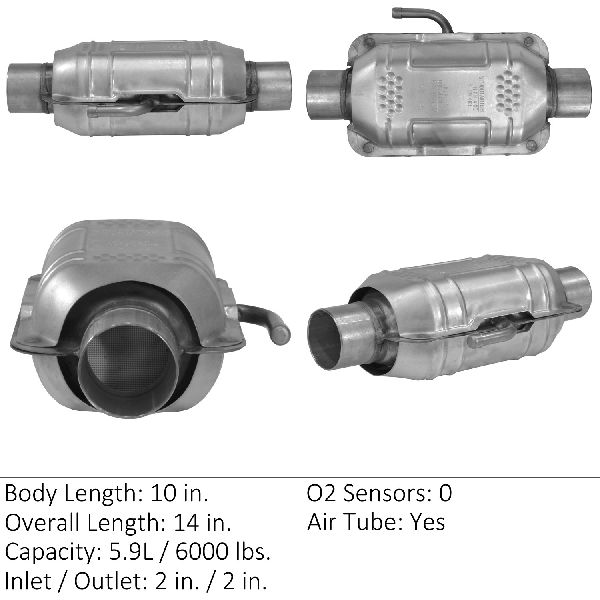
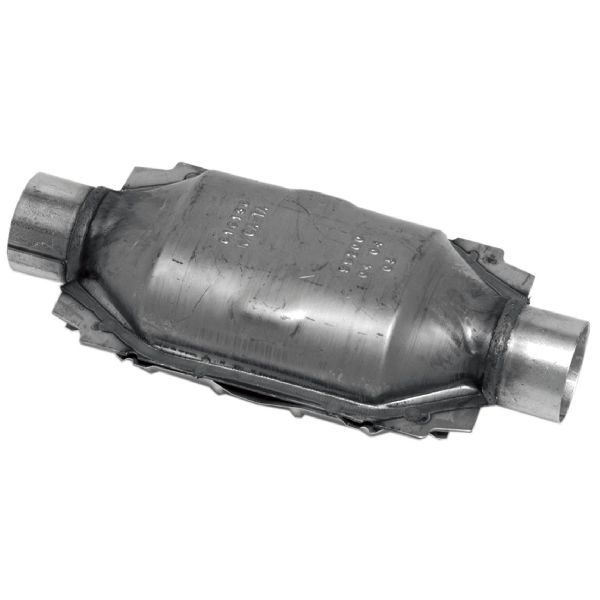
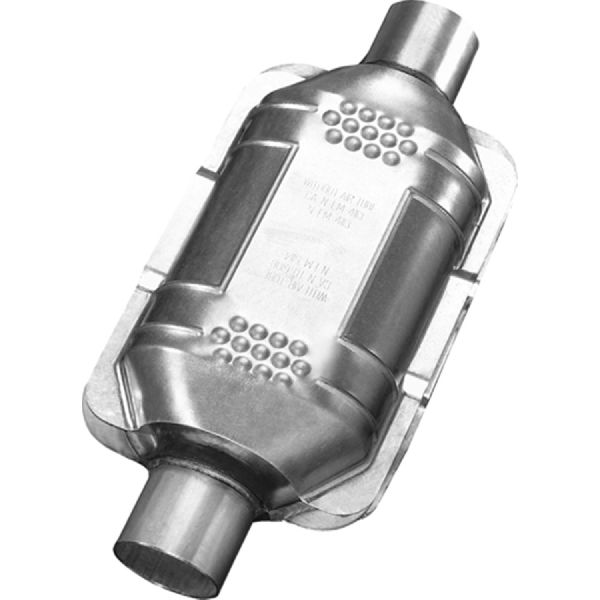
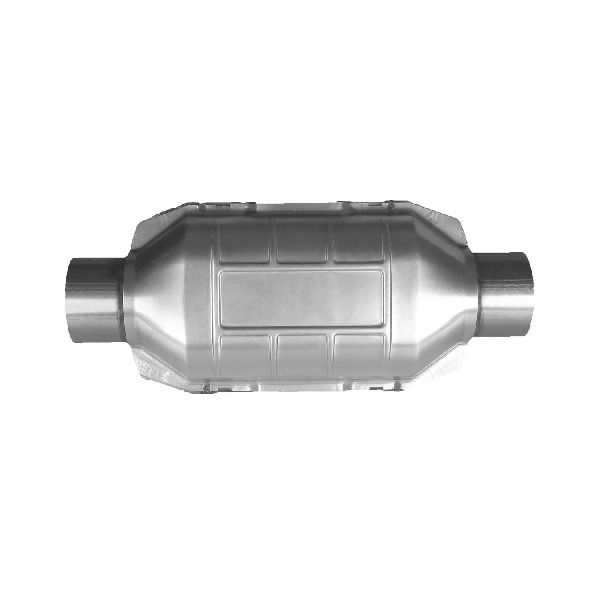
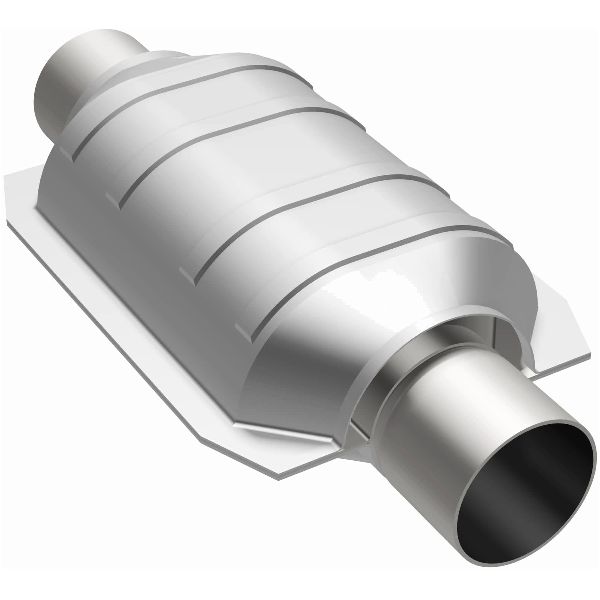
For your Lancer, you will find both "direct-fit" and "universal" converters. A direct-fit part is designed to bolt right into your specific vehicle without modification. A universal part is cheaper but will require cutting the old converter out and welding the new one into place. If you are paying a shop for installation, the lower cost of a universal part may be offset by higher labor charges.
Frequently Asked Questions (FAQ)
Can I just clean my catalytic converter?
While some fuel additives claim to clean converters, they are unlikely to fix a converter that is physically clogged or broken inside. If the honeycomb structure is melted or shattered, no amount of cleaning will help, and replacement is the only solution.
Are there any recalls for the Dodge Lancer catalytic converter?
No. There are no active or historical recalls or Technical Service Bulletins (TSBs) from the NHTSA related to the catalytic converter for the 1985-1989 Dodge Lancer. Any failures are due to the age of the vehicle and other potential engine issues.
Why is my exhaust rattling?
A rattling noise is most often caused by the ceramic catalyst breaking apart inside the converter's metal shell. It can also be a loose heat shield on top of the converter. An internal rattle means the converter is bad and must be replaced before the loose pieces cause a major blockage.
Do I need a special converter for California (CARB)?
Yes, if your vehicle is registered in California or another state that has adopted CARB emissions standards. These states require a specific, approved converter that is more expensive due to containing more precious metals. Always check your local laws before purchasing, as installing a non-compliant part will cause you to fail an emissions test.
Technical Specifications
The primary choice is between a direct-fit converter, which is designed to bolt on, and a universal converter, which requires cutting and welding for installation. The 1985-1989 Dodge Lancer uses a three-way catalytic converter.
We Have This Part in Stock

The information in this article is provided for general reference and educational purposes only. Vehicle specifications, procedures, and part compatibility can vary by production date, trim level, and region. Always consult your vehicle's factory service manual and verify part numbers before purchasing or performing repairs. Safety-critical components such as airbags, seat belts, and braking systems should be installed by a qualified professional.
- Dodge Lancer: