

Ignition Coil Guide for the 1985-1989 Dodge Lancer
Understanding, diagnosing, and replacing the ignition coil on your classic Dodge Lancer.
- The 1985-1989 Lancer uses a single canister-style ignition coil; if it fails, the car won't start.
- Symptoms of a failing coil include no-start, misfires, stalling, and poor power.
- For a stock Lancer, a quality aftermarket brand like Standard Ignition or NGK is an excellent choice.
- Replacement is a simple DIY job that takes less than 30 minutes with basic tools.
Is Your Lancer's Ignition Coil Failing?
Because the 1985-1989 Dodge Lancer relies on a single ignition coil for all cylinders, a complete failure will prevent the engine from starting at all. Before it fails completely, however, you may notice several warning signs. Pay attention to these symptoms to avoid getting stranded.
Common Failure Symptoms:
- No-Start Condition: The engine cranks over but never fires up. This is the most common symptom of a completely dead coil.
- Engine Misfires or Rough Idle: The engine may sputter, shake, or run poorly. This can feel like a constant vibration or jerking, especially when stopped.
- Sudden Stalling: The engine might die unexpectedly while driving and may be difficult or impossible to restart.
- Loss of Power: Your Lancer may feel sluggish and weak when you accelerate.
- Poor Fuel Economy: When the coil is weak, the engine is less efficient and burns more fuel to keep running.
Choosing the Right Aftermarket Coil
For a vehicle of this age, finding a new original Mopar part is nearly impossible. The aftermarket, however, offers several good options that can be grouped into different quality tiers. The ignition system on the Lancer's 2.2L or 2.5L engine is straightforward, so a quality stock replacement is usually all that is needed.
Brand Quality Tiers
OEM-Quality Replacements:
These brands are known for producing parts that meet or exceed original factory specifications. They are a trusted choice for reliability and long-term durability.
- Standard Ignition (SMP): Widely considered a top-tier aftermarket brand, Standard Motor Products offers excellent quality and is a reliable choice for a stock replacement.
- NGK: Famous for spark plugs, NGK also makes high-quality ignition components. They are a solid and dependable option.
Performance Upgrades:
If your Lancer is modified, particularly turbocharged models, a performance coil can provide a stronger, more consistent spark. For a stock engine, these are generally not necessary but are a high-quality option.
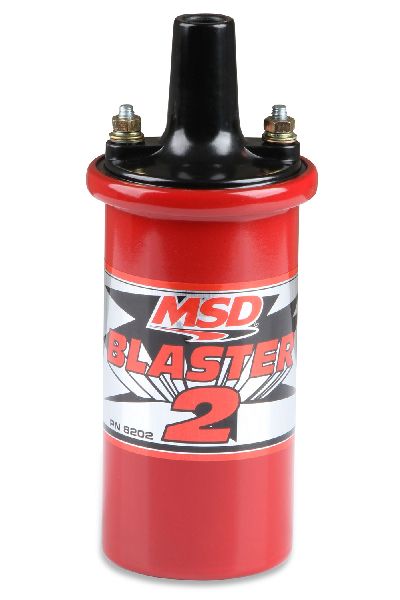
- MSD: A well-respected name in performance ignition systems. An MSD coil can deliver a hotter spark, which can be beneficial for modified engines, but may be overkill for a daily driver.
Economy Options:
These brands provide a functional part at a lower price point, making them a good choice for budget-conscious repairs.
- Spectra: Often provides a good balance of value and function to get your vehicle back on the road.
- Global Parts: Typically an economy brand that offers a budget-friendly solution.
| Brand Tier | Estimated Price |
|---|---|
| Economy (Global Parts, Spectra) | $20.40 - $35.00 |
| OEM-Quality (Standard Ignition, NGK) | $35.00 - $60.00 |
| Performance (MSD) | $60.00 - $85.56 |
Pro Tip: Check the Ballast Resistor
Like many Chrysler vehicles from this era, the Lancer's ignition system may use an external ballast resistor. This ceramic component works with the coil to regulate voltage. It is a common failure point and its symptoms can be identical to a bad coil. It's wise to inspect and test the ballast resistor when diagnosing a no-spark issue.
Frequently Asked Questions
How do I test my Lancer's ignition coil?
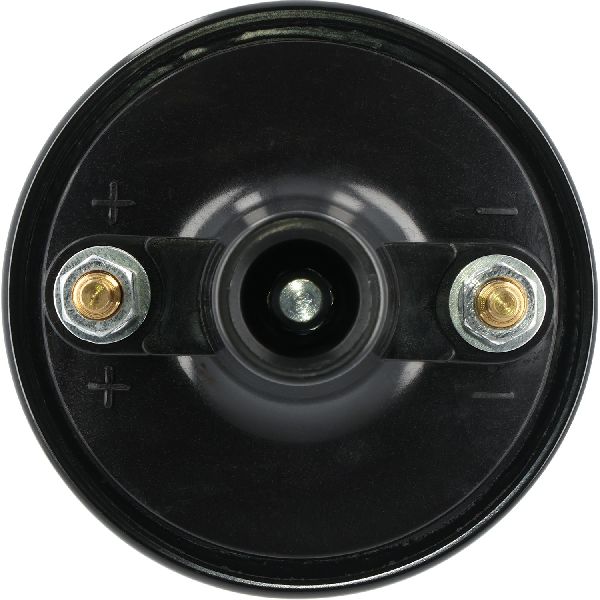
You can test a canister-style coil with a multimeter set to measure resistance (ohms). First, disconnect the battery. Test the primary winding by placing the multimeter probes on the small positive and negative terminals; the reading should be a very low number, typically between 0.4 and 2 ohms. Then, test the secondary winding by moving one probe to the large central tower (where the wire to the distributor connects); this reading should be much higher, usually between 6,000 and 15,000 ohms. If either reading is far outside the expected range, the coil is likely bad and should be replaced.
Is replacing the ignition coil a difficult DIY job?
No, this is a very beginner-friendly job. The ignition coil is typically mounted to the fender or a bracket in the engine bay and is easy to access. The process involves disconnecting the battery, unplugging the two small power wires and the main high-tension wire, unbolting the coil from its bracket, and then installing the new one in reverse order. The entire job can usually be done in under 30 minutes with basic hand tools.
Do I need a high-performance coil like MSD for my stock Lancer?
For a stock 1985-1989 Dodge Lancer, a high-performance coil is not necessary. A quality OEM-style replacement from a brand like Standard Ignition or NGK will provide all the spark the engine needs for reliable operation. However, if your engine is modified with higher compression, a turbo upgrade, or other performance parts, a hotter coil from a brand like MSD can help ensure a complete burn of the fuel mixture.
Are there any recalls for the 1985-1989 Dodge Lancer ignition coil?
Searches of the National Highway Traffic Safety Administration (NHTSA) database and other records show no specific recalls or technical service bulletins (TSBs) for the ignition coil on the 1985-1989 Dodge Lancer. Any issues you experience are likely due to the age and wear of the original components.
Technical Specifications
OEM Part Numbers: 4379430 5226377
This vehicle uses a single, external, canister-style ignition coil. It is compatible with the vehicle's distributor-based ignition system and may require a ballast resistor.
We Have This Part in Stock



The information in this article is provided for general reference and educational purposes only. Vehicle specifications, procedures, and part compatibility can vary by production date, trim level, and region. Always consult your vehicle's factory service manual and verify part numbers before purchasing or performing repairs. Safety-critical components such as airbags, seat belts, and braking systems should be installed by a qualified professional.
- Dodge Lancer: