

1985-1989 Dodge Lancer Oxygen Sensor: Replacement & Brand Guide
Restore your Lancer's fuel economy and performance by choosing the right new oxygen sensor.
- Your 1985-1989 Lancer has a single upstream oxygen sensor that is critical for fuel economy.
- Choose a direct-fit sensor from a top-tier brand like Denso or NGK/NTK for best results and longevity.
- The main difficulty in replacement is the old sensor being seized by rust; use plenty of penetrating oil before attempting removal.
- Replacing a bad O2 sensor is a cost-effective repair that can restore lost performance and help pass emissions tests.
Is Your Lancer's Oxygen Sensor Failing?
For a classic vehicle like the 1985-1989 Dodge Lancer, the oxygen sensor is a common wear-and-tear item that is often overlooked. Due to its age and exposure to extreme heat and exhaust gases, its performance degrades over time, leading to incorrect signals being sent to the engine computer. This can cause a variety of noticeable engine problems. Since these vehicles typically use a single, upstream oxygen sensor, replacing this one part can make a significant difference in how your car runs.
Choosing the Right Aftermarket Oxygen Sensor
Finding a new original Mopar oxygen sensor for a vehicle from the 1980s is nearly impossible. The aftermarket is your primary source, offering a range of brands that often meet or exceed the original 1980s technology. The key is to select a direct-fit sensor to avoid cutting or splicing wires. Based on owner feedback and mechanic consensus for Chrysler vehicles of this era, aftermarket brands can be grouped into quality tiers.
Brand Quality Tiers for Your Dodge Lancer
Tier 1 (Excellent Quality):
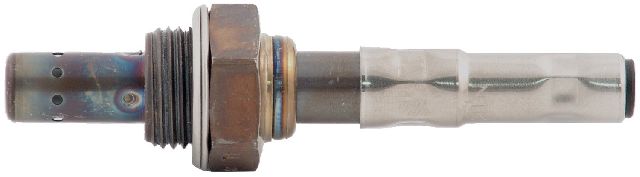
- Denso & NGK (NTK): These brands are widely considered the best in the aftermarket. They are often the original equipment manufacturer for many Japanese and domestic vehicles and are known for their reliability, accuracy, and longevity. For a Chrysler product of this vintage, NTK is a highly recommended choice.
Tier 2 (Good Quality):
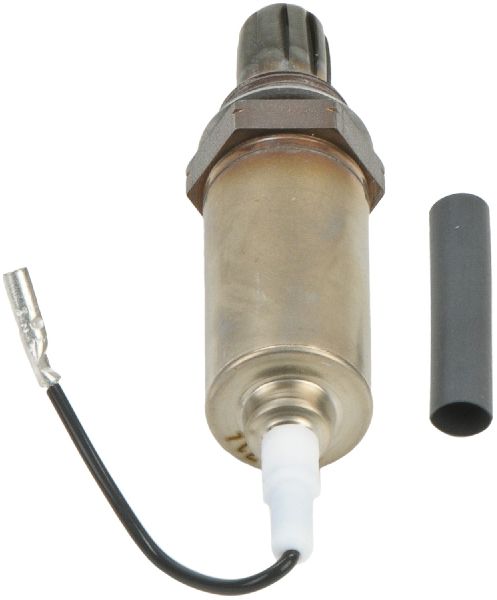
- Bosch: As the inventor of the modern oxygen sensor, Bosch has a long history and their quality is generally good. However, some forum users have noted that for non-European vehicles that didn't use Bosch originally, results can sometimes be inconsistent compared to Denso or NGK.
- Delphi: Delphi is another established OE supplier with a solid reputation for producing reliable sensors that meet factory specifications.
Tier 3 (Standard/Economy):
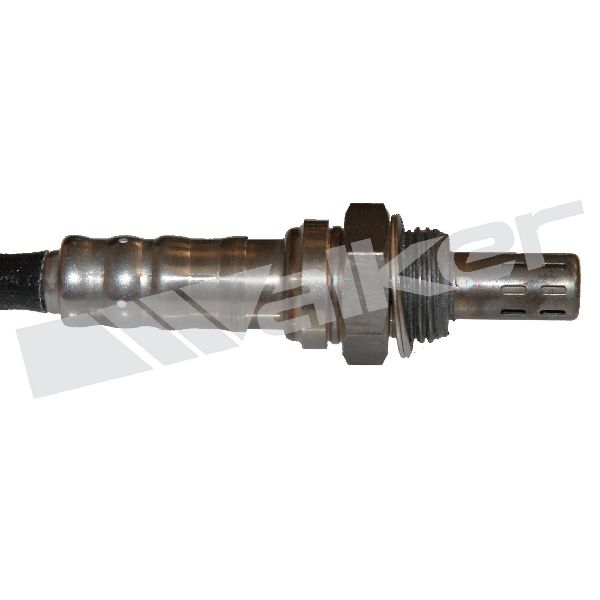
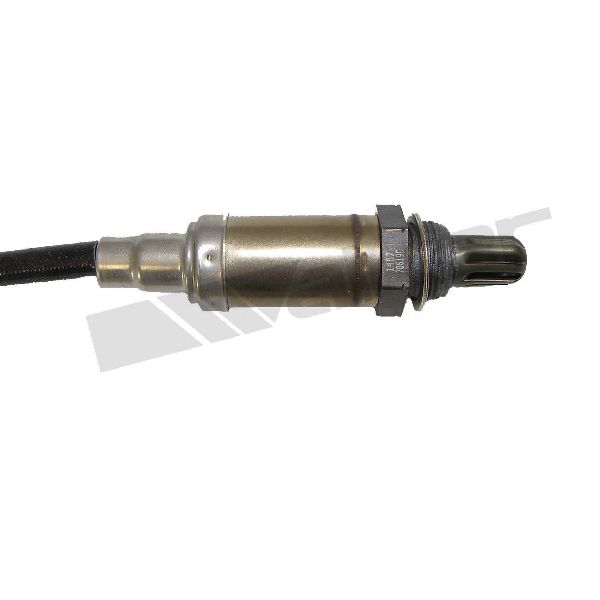
- Walker Products & DriveWire: These brands offer a more budget-friendly option. They are known to be functional and provide a direct fit, making them a viable choice if cost is the primary concern.
Estimated Replacement Costs
| Item | Cost |
|---|---|
| Aftermarket Oxygen Sensor Part | $39.12 - $85.17 |
| Estimated Shop Labor | $60 - $120 |
| Estimated Total Cost (Installed) | $99 - $205 |
Installation Pro Tip
The biggest challenge when replacing the oxygen sensor on an older vehicle like the Lancer is removing the old one. It is often seized in the exhaust manifold due to decades of heat cycles and rust. Liberally apply a high-quality penetrating oil to the threads and let it soak for several hours, or even overnight, before attempting removal. Using a special oxygen sensor socket, which has a slot for the wire, is highly recommended to get the best grip and avoid damaging the sensor or your tools.
Frequently Asked Questions (FAQ)
How many oxygen sensors does a 1985-1989 Dodge Lancer have?
The Dodge Lancer from this period is equipped with one oxygen sensor. It is an "upstream" sensor located in the exhaust manifold, before the catalytic converter.
Where is the oxygen sensor located on my Dodge Lancer?
You will find the single oxygen sensor screwed into the exhaust manifold. Look for a component with a wire coming out of it between the engine and the firewall, before the exhaust pipe goes down underneath the car.
How do I read a Check Engine light code on my Lancer?
Your 1985-1989 Lancer is a pre-OBDII vehicle. It does not use the modern P-codes. To read the codes, you typically need to cycle the ignition key from 'off' to 'on' three times without starting the engine, ending in the 'on' position. The Check Engine light will then flash to indicate two-digit codes. For example, a code 51, which relates to the oxygen sensor, would be five flashes, a pause, and then one flash.
Can I clean my old oxygen sensor instead of replacing it?
While some attempt to clean O2 sensors, it is generally not recommended or effective. The sensor's delicate internal element can be damaged by cleaning, and contamination from things like oil or coolant often poisons the sensor from the inside out, which cleaning cannot fix. Given the low cost of a new sensor and the importance of its function, replacement is the only reliable solution.
Technical Specifications
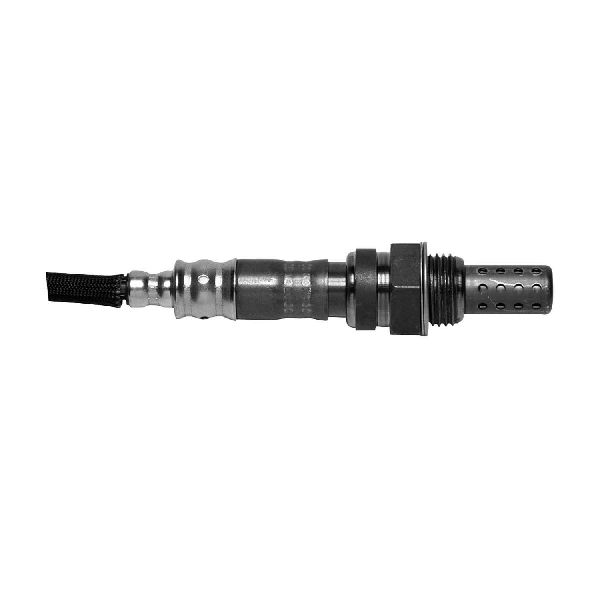
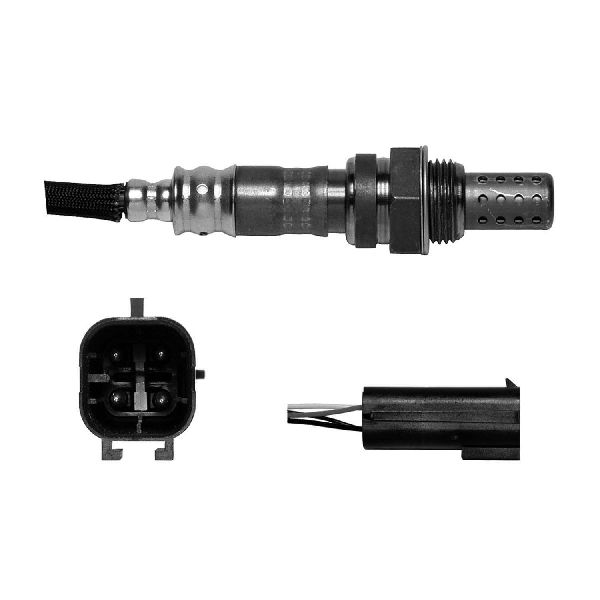
Typically a 3-wire, heated, upstream oxygen sensor.
We Have This Part in Stock

The information in this article is provided for general reference and educational purposes only. Vehicle specifications, procedures, and part compatibility can vary by production date, trim level, and region. Always consult your vehicle's factory service manual and verify part numbers before purchasing or performing repairs. Safety-critical components such as airbags, seat belts, and braking systems should be installed by a qualified professional.
- Dodge Lancer: