

Dodge Lancer Spark Plug Replacement Guide for 1985-1989 Models
Choosing the right spark plugs can restore your Lancer's original power and efficiency.
- Verify your Lancer's engine (2.2L/2.5L, Turbo or Non-Turbo) to choose the best plug type.
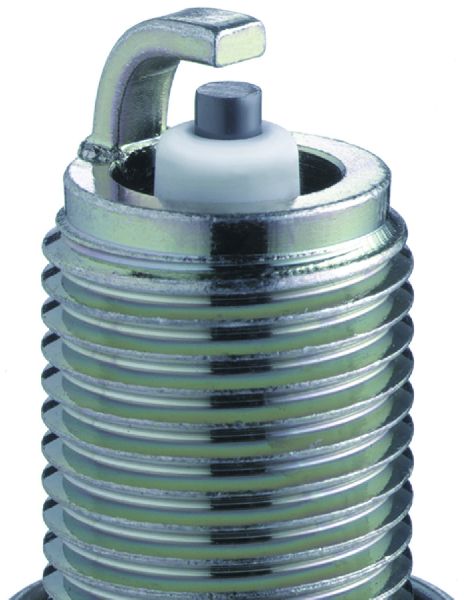
- For all stock engines, ensure new plugs are gapped to 0.035 inches before installation.
- Standard copper plugs (Champion, Autolite) are an excellent, budget-friendly choice that meets original specifications.
- Replacing spark plugs is a simple DIY job on these engines that requires only basic tools and can be done in under an hour.
Symptoms of Failing Spark Plugs
When your Lancer's spark plugs are worn, the engine can't run properly. You might notice one or more of these signs:
- Rough Idle: The engine may shake or vibrate more than usual when you're stopped.
- Engine Misfires: You might feel a hesitation or stumble from the engine, especially when accelerating. This happens when a cylinder fails to fire correctly.
- Poor Acceleration: The car may feel sluggish or slow to respond when you press the gas pedal.
- Reduced Fuel Economy: If you're filling up your gas tank more often, worn plugs could be the cause. Inefficient combustion wastes fuel.
- Difficulty Starting: A weak spark makes it harder for the engine to start, especially in cold or wet weather.
- Check Engine Light: On later models with more advanced diagnostics, a misfire can trigger the check engine light with codes like P0300 (random misfire) or P0301-P0304 for specific cylinders.
Choosing the Right Aftermarket Spark Plug
For a vehicle like the 1985-1989 Dodge Lancer, you don't need to hunt down rare original Mopar parts. High-quality aftermarket brands offer excellent performance and value. The original plugs were basic copper types, and these are still a great choice.
Good: Standard Copper Plugs
These are the most affordable option and are similar to what the car used when new. They offer reliable performance but have the shortest lifespan, typically needing replacement every 20,000-30,000 miles. They are a perfect fit for a stock, naturally-aspirated 2.2L or 2.5L engine.
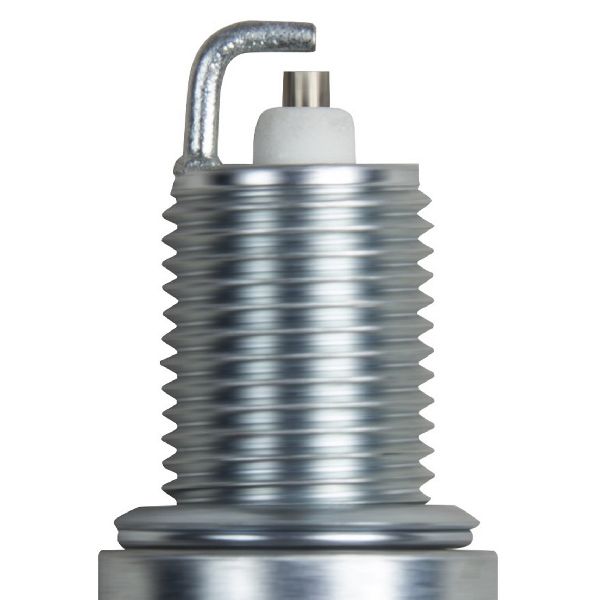
- Champion (e.g., RN12YC): Often considered the original equipment brand for many Chrysler products of this era, Champion plugs are a trusted, traditional choice.
- Autolite (e.g., 65): A very popular and dependable aftermarket brand that provides consistent performance at a great price.
Better: Premium Copper or Platinum Plugs
These plugs offer better materials and construction, leading to a longer service life and more consistent performance. They are a good upgrade for any Lancer, including the turbo models.
- NGK: Highly respected for their quality and reliability, especially in Japanese vehicles and turbocharged applications. A standard NGK copper or platinum plug is a solid upgrade for any Lancer engine.
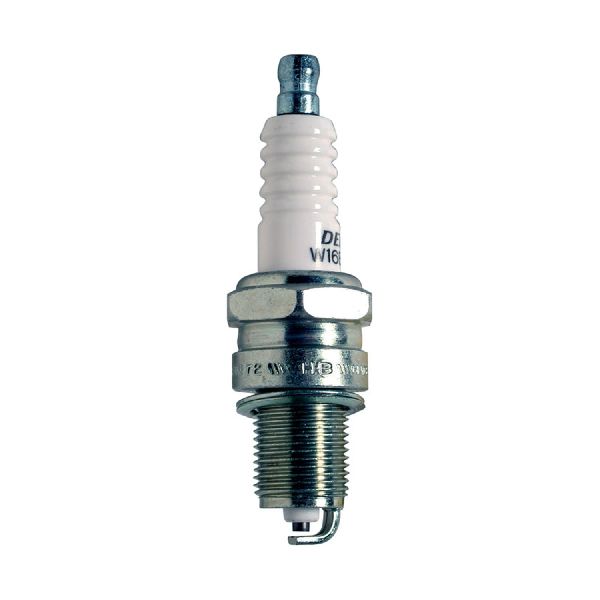
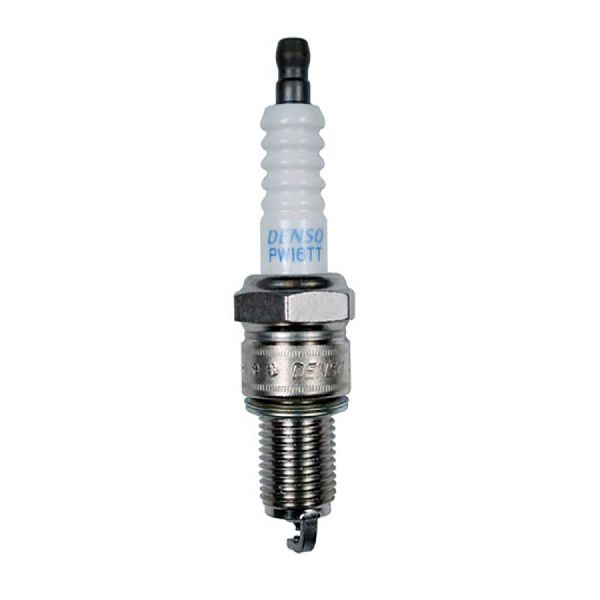
- Denso: Another top-tier OEM supplier known for excellent engineering and durability.
Best: Iridium Plugs
Iridium plugs represent the most modern technology, offering the longest life (up to 100,000 miles) and the most consistent, powerful spark. While they are the most expensive, they are a great "fit and forget" option, especially for a harder-working turbocharged Lancer engine.
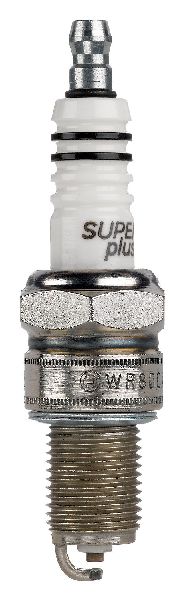
- Bosch: A top German engineering brand that produces high-quality iridium plugs known for durability and performance.
- NGK (Iridium IX): Often considered a benchmark for high-performance and long-life plugs, providing excellent ignitability.
Aftermarket Spark Plug Cost
| Tier | Brand Examples | Price Range (per plug) | Lifespan |
|---|---|---|---|
| Good (Copper) | Autolite, Champion | $3.23 - $5.00 | ~30,000 miles |
| Better (Platinum) | NGK, Denso, Bosch | $6.00 - $10.00 | ~60,000 miles |
| Best (Iridium) | NGK, Bosch, Denso | $10.00 - $16.38 | ~100,000 miles |
Pro Tip: Check Your Engine
The 1985-1989 Lancer was available with naturally aspirated (NA) and turbocharged 2.2L and 2.5L engines. While standard copper plugs work for all, a premium platinum or iridium plug is a worthwhile investment for the higher combustion pressures and heat of a turbo engine. For modified, high-boost engines, a colder heat range plug and a smaller gap may be necessary.
Frequently Asked Questions (FAQ)
Do I need to gap the new spark plugs?
Yes, you should always check the gap before installation, even if the box says they are "pre-gapped". The correct gap for a stock 1985-1989 Dodge Lancer is 0.035 inches. Use a spark plug gapping tool to gently adjust the ground electrode if needed.
Should I use copper, platinum, or iridium plugs?
For a stock Lancer, standard copper plugs like Champion or Autolite work perfectly well and match the original design. Platinum and iridium plugs cost more but last much longer and provide a more consistent spark, which can be beneficial for turbo models. If you prefer to change plugs less often, choose platinum or iridium.
How often should I replace the spark plugs?
It depends on the plug type. Replace standard copper plugs every 20,000-30,000 miles. Platinum plugs can last up to 60,000 miles, and iridium plugs can last 80,000-100,000 miles.
Do turbo Lancer models need special spark plugs?
While they don't require a "special" plug, turbocharged engines benefit from higher quality plugs like platinum or iridium that can better handle the increased heat and pressure. Ensure the heat range is correct for your application; stock or mildly modified cars can use the standard replacement heat range.
Should I put anti-seize on the spark plug threads?
Most modern spark plugs from brands like NGK and Denso have a special trivalent plating that acts as an anti-seize, and manufacturers advise against using additional compounds. Adding anti-seize can lead to over-torquing the plug, which can damage the plug or your engine's cylinder head. It's best to follow the plug manufacturer's recommendation.
Technical Specifications
OEM Part Numbers: MS851571 5269556
Spark Plug Gap: 0.035" (0.9mm). Thread Size: 14mm. Wrench/Socket Size: 13/16" or 5/8" depending on brand.
We Have This Part in Stock

The information in this article is provided for general reference and educational purposes only. Vehicle specifications, procedures, and part compatibility can vary by production date, trim level, and region. Always consult your vehicle's factory service manual and verify part numbers before purchasing or performing repairs. Safety-critical components such as airbags, seat belts, and braking systems should be installed by a qualified professional.
- Dodge Lancer: