

Ford Ranger (1985-1989) Engine Intake Manifold Gasket Set: A Comprehensive Guide
Leaking coolant or a rough idle on your first-gen Ranger could point to a failed intake manifold gasket.
- Before ordering, you must confirm your Ranger's engine size (2.0L, 2.3L, 2.8L, or 2.9L) as gasket sets are not interchangeable.
- For 2.9L V6 engines, it is critical to rule out cracked cylinder heads, a common issue with symptoms that mimic a bad intake gasket.
- Modern aftermarket gaskets from brands like Victor Reinz often provide a better seal than the original 1980s parts.
- Plan on changing the engine oil, oil filter, and thermostat during this repair for best results.
Is Your Ranger's Intake Gasket Failing?
A bad intake manifold gasket on a 1985-1989 Ford Ranger can cause a range of problems, from annoying to engine-threatening. The original gaskets from the 1980s can become brittle and fail over time. Recognizing the symptoms early can save you from more expensive repairs down the road.
Common Failure Symptoms:
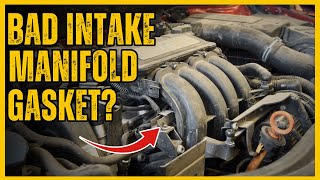
🎬 Watch this video to see these common failure symptoms in action.- Coolant Leaks: You might see puddles of coolant under your truck, especially near the front of the engine. The leak could be coming from the corners of the intake manifold where it meets the cylinder heads.
- Engine Overheating: A significant coolant leak will cause the engine to overheat, which can lead to severe damage like a warped or cracked cylinder head.
- Rough Idle & Poor Performance: If the gasket fails on the intake port side, it can create a vacuum leak. This allows extra air into the engine, leading to a rough or high idle, hesitation, and reduced power.
- White or Sweet-Smelling Exhaust Smoke: This is a sign that coolant is leaking internally into the combustion chambers and being burned with the fuel.
- Milky or Foamy Engine Oil: If the gasket fails between a coolant passage and an oil passage, coolant will mix with the engine oil. This creates a milky, mayonnaise-like substance under the oil cap or on the dipstick and can cause catastrophic engine failure if not addressed.
A Critical Note for 2.9L V6 Owners
The 2.9L V6 engine, common in this generation of Ranger, is known for developing cracked cylinder heads. The symptoms of a cracked head—coolant loss, white smoke, and overheating—are nearly identical to those of a failed intake manifold gasket. Before starting this repair, it is highly recommended to perform a cooling system pressure test or a chemical block test to rule out cracked heads, which is a much more serious problem.
Choosing the Right Aftermarket Gasket Set
For a vehicle of this age, original OEM gaskets are likely unavailable. Fortunately, modern aftermarket gaskets often feature improved materials and design compared to the originals from the 1980s. When choosing a new set, consider the brand's reputation.
- Premium Brands (Reinz, Victor Gaskets): Victor Reinz is widely regarded as an OEM-quality supplier for many European and domestic vehicles. Their gaskets are known for excellent fit and material quality, making them a top choice for a reliable, long-lasting repair.
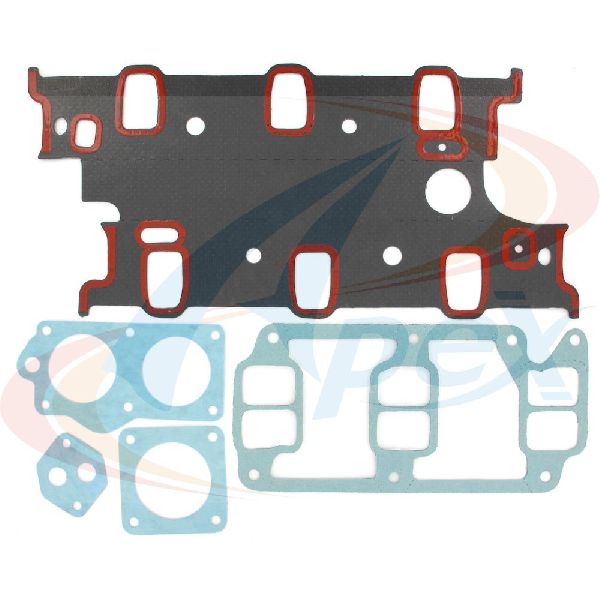
- Standard Brands (Apex): Apex is generally considered a budget-friendly option. While they can be a cost-effective solution, some professional mechanics prefer to stick with premium brands for critical sealing jobs like an intake manifold to ensure reliability and avoid rework.
Pro Tip: Always verify your Ranger's specific engine before ordering. During this period, Ford offered several options, including the 2.0L and 2.3L 4-cylinders, and the 2.8L and 2.9L V6 engines. The gasket sets are not interchangeable.
| Part/Service | Estimated Cost |
|---|---|
| New Aftermarket Gasket Set | $39 - $68 |
| Shop Labor | $350 - $700 |
| Total Professional Repair | $389 - $768 |
Frequently Asked Questions (FAQ)
Do I need to use sealant with the new gaskets?
It depends on the gasket set and the specific application. Many modern gasket sets are designed to be installed dry. However, it is common practice to apply a small dab of RTV silicone at the corners where the intake manifold meets the engine block or where different engine components join. Always follow the instructions included with your specific gasket set.
What else should I replace while I'm doing this job?
Since you'll be draining the coolant and removing parts from the top of the engine, it's a great time to replace the thermostat and thermostat gasket. It's also wise to perform an oil and filter change after the job is complete to remove any coolant that may have contaminated the oil. Consider inspecting vacuum lines, the PCV valve, and coolant hoses for wear and tear.
Is this a difficult job to do myself?
For a home mechanic, this is a moderately difficult job. It requires draining the cooling system, disconnecting fuel lines, removing the throttle body, and keeping track of numerous bolts and electrical connectors. While it doesn't require highly specialized tools, it does demand patience and careful attention to detail. If you are not comfortable with this level of disassembly, it's best to leave it to a professional.
Were there any recalls for this issue?
Searches of the NHTSA database did not show any specific recalls for the intake manifold gasket on the 1985-1989 Ford Ranger. Most issues are related to the age and wear of the original components.
Helpful Videos
Technical Specifications
Gasket design varies significantly between the 4-cylinder and V6 engines. The V6 sets are more complex as they must seal coolant passages running through the manifold. Material is typically a combination of composite paper or rubber on a metal or plastic carrier.
We Have This Part in Stock


The information in this article is provided for general reference and educational purposes only. Vehicle specifications, procedures, and part compatibility can vary by production date, trim level, and region. Always consult your vehicle's factory service manual and verify part numbers before purchasing or performing repairs. Safety-critical components such as airbags, seat belts, and braking systems should be installed by a qualified professional.
- Ford Ranger: