

Ford Ranger Radiator Guide: Keeping Your 1985-1989 Truck Cool
Everything you need to know before replacing the radiator in your first-generation Ford Ranger.
- The most common failure is a leak from the plastic end tanks where they meet the metal core.
- Verify if you need a radiator for an automatic or manual transmission; you can use an automatic radiator on a manual by capping the cooler ports.
- For this age of truck, a quality aftermarket radiator is a cost-effective and reliable choice.
- Replacing the radiator is a DIY-friendly job that can be completed in a few hours with basic tools.
Is Your Ranger's Radiator Failing?
For 1985-1989 Ford Rangers, the most common radiator problem is a leak. After decades of use, the original radiators, which often have plastic sides (end tanks) crimped onto an aluminum center (core), can fail. The plastic becomes brittle and cracks, or the seals between the plastic and aluminum give way. Look for these tell-tale signs:
- Engine Overheating: The temperature gauge on your dash climbs into the red zone. This is the most serious symptom.
- Visible Coolant Leaks: You may see puddles of green, yellow, or pink fluid under the front of your truck. Check for wetness or white/colored crusty residue on the radiator itself, especially where the plastic tanks meet the metal core. 🎬 Watch: How to diagnose a coolant leak on your Ranger
- Low Coolant Level: Constantly needing to add coolant to the overflow tank is a sure sign of a leak somewhere in the system.
- Steam from Engine Bay: If you see steam coming from under the hood, pull over immediately. This indicates coolant is leaking onto hot engine parts.
A Note on OEM vs. Aftermarket
For a classic truck like the 1985-1989 Ranger, finding a brand-new OEM Motorcraft radiator can be difficult and expensive. Aftermarket radiators are a practical and affordable choice. Most modern aftermarket radiators are made with a plastic tank and aluminum core, similar to the original design. While some believe OEM parts last longer, a quality aftermarket radiator will perform well for many years and is the most common repair choice for these trucks.
Choosing the Right Aftermarket Radiator
When shopping for a new radiator, you'll see several brands and types. Here’s how to choose:
1. Match Your Transmission Type (This is Critical!)
This is the most common mistake owners make. Your Ranger has either a manual or an automatic transmission, and they require different radiators.
- Automatic Transmission: These radiators have a built-in cooler for the transmission fluid. You will see two small threaded ports for the transmission cooler lines.
- Manual Transmission: These do not require a transmission cooler.
Many aftermarket companies only sell the automatic version because it can be used for both. If you have a manual transmission and buy a radiator with cooler ports, you simply leave the protective caps on the ports and install it as usual. Just double-check that the main hose connections are in the correct locations.
2. Understanding the Brands
The brands available offer a range of quality and price. For a vehicle of this age, even a standard replacement can be a big improvement.
- Spectra Premium: A very common, budget-friendly choice. Many owners have good experiences with fit and performance. However, some forum users have reported leaks developing after the warranty period ends. It's a solid economy option.
- ACDelco, Onix, Global Parts, One Stop Solutions: These brands offer direct-fit replacement radiators. They are designed to meet original equipment specifications and are reliable choices for a daily driver. Quality is generally comparable to other standard aftermarket brands.
- All-Aluminum Radiators: Some owners choose to upgrade to an all-aluminum radiator to eliminate the plastic end tanks, which are the most common failure point. These can offer improved durability but may cost more and sometimes require slight modifications to fit.
| Part Type | Price Range | Notes |
|---|---|---|
| New Aftermarket | $35.77 - $198.18 | The most common and practical choice. Price varies by brand and features. |
| New OEM (Motorcraft) | $300+ | Likely difficult to find. May need to be sourced from a dealer as New Old Stock. |
| Used (OEM) | $25 - $75 | A gamble. The part is just as old as the one you are replacing. Not recommended. |
| Shop Labor | $150 - $300 | The job is straightforward, typically taking 1.5 to 2.5 hours. |
Frequently Asked Questions
Should I replace my radiator cap and hoses at the same time?
Yes, it's highly recommended. A new radiator cap will ensure the system holds the correct pressure. Old hoses can be brittle or soft and may fail soon after a new radiator is installed. It's a small extra cost that prevents future problems.
🎬 Watch: A quick guide to replacing your radiator hosesWhat kind of coolant should I use in my 1985-1989 Ranger?
For these model years, a conventional "green" ethylene glycol-based coolant is appropriate. Always mix it 50/50 with distilled water unless you buy a pre-mixed formula. Using distilled water prevents mineral buildup inside the new radiator.
Can I install a thicker or "heavy-duty" radiator?
Yes. Some owners upgrade from a single-row core to a double-row core for better cooling, especially if they tow or live in a hot climate. You can even find radiators from a Ford Explorer with a V8 that may fit and offer more capacity. Just be sure to measure your available space and check that the hose inlets/outlets match your engine.
Is replacing the radiator a good DIY job?
Yes, for most home mechanics with basic tools, this is a very manageable job. The process involves draining the system, removing hoses, unbolting the fan shroud, and then swapping the radiator. There are many video guides 🎬 See this step-by-step radiator replacement walkthrough available online that show the process on similar trucks.
Helpful Videos
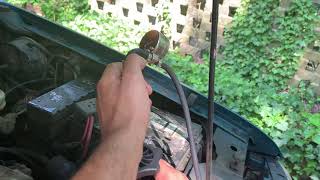
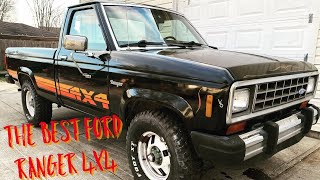
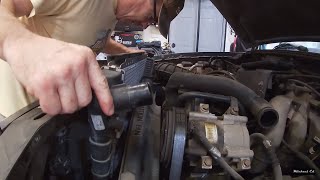
Technical Specifications
OEM Part Numbers: FOTZ8005AA F1TZ8005D
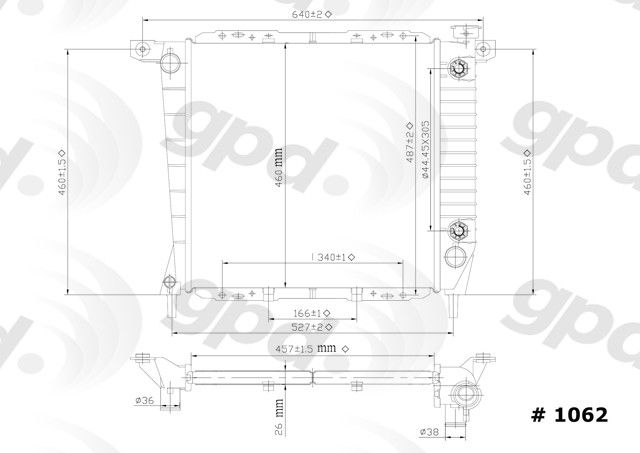
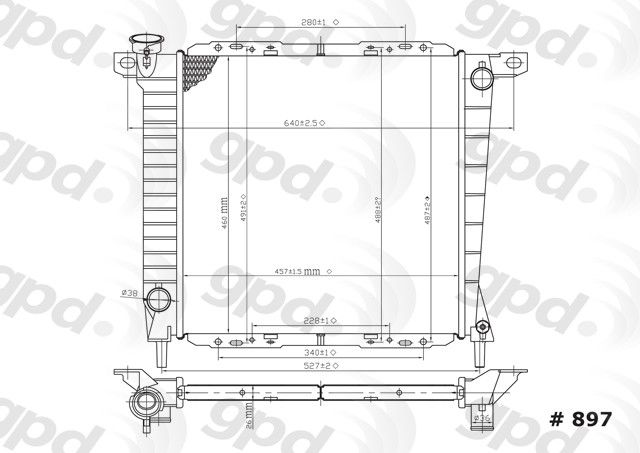
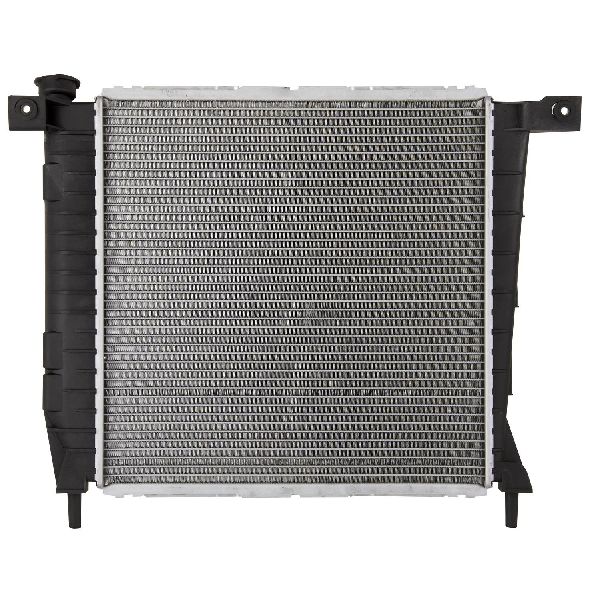
Core dimensions are approximately 18 inches high by 18 1/8 inches wide, with a 1-inch core thickness for standard models. Inlet and outlet diameters are typically 1.5 inches. Most aftermarket replacements are a single-row, crossflow design with an aluminum core and plastic tanks.
We Have This Part in Stock


The information in this article is provided for general reference and educational purposes only. Vehicle specifications, procedures, and part compatibility can vary by production date, trim level, and region. Always consult your vehicle's factory service manual and verify part numbers before purchasing or performing repairs. Safety-critical components such as airbags, seat belts, and braking systems should be installed by a qualified professional.
- Ford Ranger: