

Throttle Position Sensor (TPS) for 1985-1989 Toyota 4Runner
Solving hesitation, poor idle, and acceleration problems in your first-generation 4Runner starts with an accurate throttle position sensor.
- A new TPS must be adjusted with a multimeter and feeler gauges; it is not a plug-and-play part.
- Symptoms of a bad TPS include hesitation, rough idle, and poor fuel economy.
- Many owners prefer OEM (Denso) sensors for reliability, but a well-adjusted aftermarket part can work.
- Before replacing the TPS, ensure the throttle body is clean and the throttle stop screw is set correctly.
Symptoms of a Failing TPS on a 1st Gen 4Runner
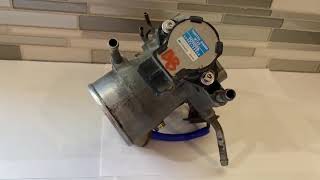
When the TPS on your 22R-E engine starts to fail, it can cause a range of frustrating problems. Because the sensor provides incorrect information to the engine's computer, you might notice issues that seem unrelated. Common signs include a rough or unstable idle, hesitation or bogging when you press the gas pedal, and overall poor acceleration. Some owners also report a sudden loss of power, difficulty setting the ignition timing correctly, and a noticeable drop in fuel economy. 🎬 Watch a detailed breakdown of common bad TPS symptoms. In some cases, a faulty TPS can even cause issues with automatic transmission shifting. It may also trigger a check engine light with a code 41 or 51 on these older OBD-I systems.
Choosing the Right Aftermarket TPS
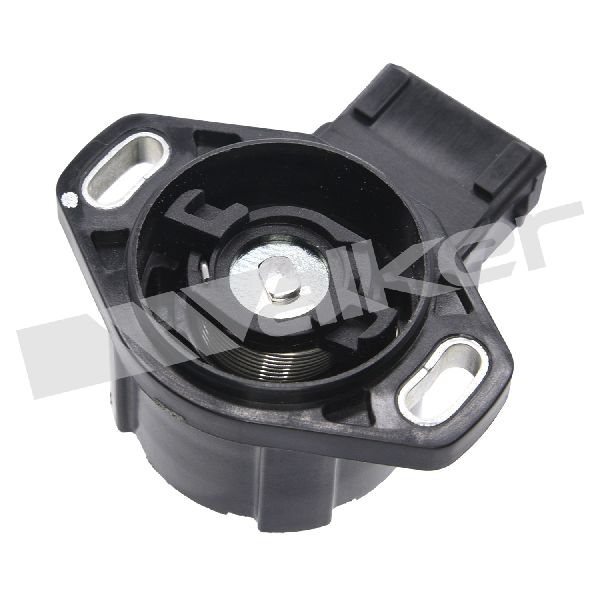
For older Toyotas, many owners prefer to use original equipment (OEM) parts for critical sensors. However, the original TPS (part number 89452-20050) can be expensive or discontinued. This makes aftermarket parts a necessary choice for many. When shopping for an aftermarket TPS, quality can vary. Here’s a general breakdown of the available brands:
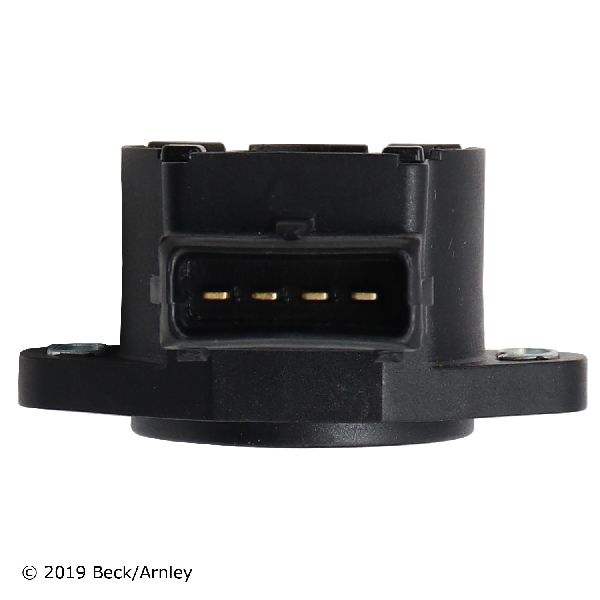
- Beck Arnley: Often considered a higher-tier aftermarket brand, Beck Arnley is known for sourcing parts from various manufacturers, sometimes including the original OEM supplier. This can be a good option for getting a part that is very close to the original quality without the dealership price.
- Standard Ignition (Standard Motor Products): A well-established brand that generally produces reliable, mid-tier replacement parts. Their sensors are a common choice and are widely available.
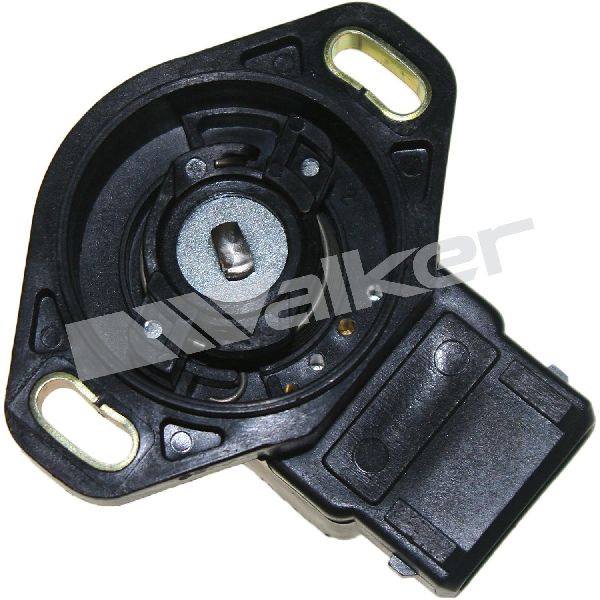
- Walker Products: Another popular aftermarket brand offering a cost-effective alternative. While they meet the basic requirements, some professional mechanics and long-time Toyota owners prefer to use OEM or premium aftermarket brands for electronic components to ensure longevity and precise adjustment.
Adjustment is Everything
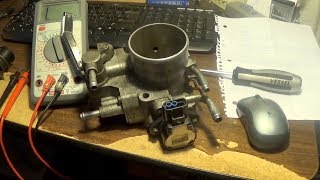
Unlike many modern sensors, the TPS on a 22R-E is not a simple "plug and play" part. A new sensor must be adjusted correctly using a multimeter (ohmmeter) and feeler gauges. If you skip this step, your 4Runner will not run correctly, even with a brand-new part. The adjustment process is very sensitive and requires setting specific resistance values at different throttle openings. Many detailed guides and videos are available online that walk through this specific procedure.
🎬 See how to test and adjust your 22R-E sensor.Cost of Replacing a 1985-1989 4Runner TPS
The cost can vary depending on the brand you choose and whether you do the work yourself. The job is straightforward for a DIY mechanic, but getting the adjustment right takes patience.
| Part/Service | Estimated Cost |
|---|---|
| New Aftermarket TPS | $74 - $187 |
| New OEM (Toyota) TPS | $110 - $215+ |
| Shop Labor | $90 - $150 |
Frequently Asked Questions (FAQ)
Do I have to replace my TPS, or can I just clean it?
Sometimes, cleaning the throttle body can resolve issues you might think are from the TPS. However, the TPS itself is a sealed electronic component. If the internal resistor track is worn out, cleaning won't fix it. If you are getting a specific TPS trouble code or the sensor fails resistance tests, it needs to be replaced.
What tools do I need to replace and adjust the TPS?
You will need basic hand tools to remove the throttle body (which makes access easier), a set of feeler gauges, and a multimeter that can measure resistance (ohms). Alligator clips for the multimeter probes are highly recommended to make the adjustment process easier. Some people also replace the original Phillips-head mounting screws with Allen (hex) bolts to make future adjustments simpler.
Is an OEM sensor really better than aftermarket for this truck?
Many experienced 22R-E owners and mechanics strongly recommend using an OEM (Denso) sensor if possible. They report that OEM sensors are often easier to adjust and more reliable long-term. However, a quality aftermarket part from a reputable brand that is adjusted correctly can also work well.
What is the most common mistake when replacing this part?
The single biggest mistake is not adjusting the new sensor after installation. Simply bolting it on will likely result in poor engine performance. The adjustment procedure is critical for telling the ECU the correct throttle position.
🎬 Follow this video guide to set your TPS correctly.Helpful Videos
Technical Specifications
OEM Part Numbers: 89452-20050 89452-28030
4-pin rectangular connector, variable resistor type. Adjustment is required. Fits 22R-E fuel-injected engines.
We Have This Part in Stock


The information in this article is provided for general reference and educational purposes only. Vehicle specifications, procedures, and part compatibility can vary by production date, trim level, and region. Always consult your vehicle's factory service manual and verify part numbers before purchasing or performing repairs. Safety-critical components such as airbags, seat belts, and braking systems should be installed by a qualified professional.
- Toyota 4Runner: