

Engine Oil Pressure Switch Guide for the 1985-1990 Ford F-150
Learn why your F-150's oil pressure gauge is unreliable and how to fix common issues by replacing the right part.
- The factory oil pressure gauge on 1987-1990 models is not a real gauge; it's a warning light in disguise.
- A flickering or dropping gauge needle is the most common symptom of a bad switch, not a bad engine.
- The switch is a common source of oil leaks that can be mistaken for more serious problems.
- Replacement is a simple, beginner-friendly DIY task that takes less than an hour.
Is Your Oil Pressure Gauge Lying?
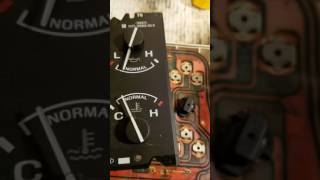
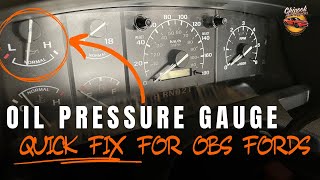
If you own a 1987-1990 Ford F-150, the factory oil pressure gauge is not giving you a true reading of your engine's oil pressure. Ford designed these gauges to work as 'idiot lights' in a gauge's body. As long as the engine has a minimum of about 6 PSI of oil pressure, the switch sends a signal that moves the needle to a fixed position in the middle of the 'normal' range. It will not move up or down with engine RPM or temperature changes. 🎬 Watch: How the Ford oil pressure gauge actually works A flickering or dropping gauge needle usually points to a faulty switch, not a dangerous loss of oil pressure.
Symptoms of a Failing Oil Pressure Switch
A bad oil pressure switch is a common issue on these trucks. Here are the signs to look for:
- Flickering or Dropping Gauge: The most frequent symptom is the oil pressure gauge needle dropping to zero or bouncing erratically, especially at idle when the engine is warm.
- Oil Leaks: The switch itself can develop leaks. You might see oil dripping from the sensor body or from the electrical connector. This leak can sometimes be mistaken for a more serious engine seal leak.
- Gauge Reads Zero: The gauge may stop working entirely, always reading at the bottom. While this can be the switch, it could also be a wiring problem or an issue within the instrument cluster itself.
Confirming Actual Oil Pressure
Because the factory gauge is not a reliable tool for measuring engine health, the only way to know your true oil pressure is to test it with a mechanical gauge. If you suspect an actual engine problem, like hearing knocking or rattling noises, you should verify the pressure before assuming it's just a bad switch.
🎬 See how to verify your engine's actual oil pressureChoosing the Right Aftermarket Switch
For a simple part like this on an older truck, a quality aftermarket switch is a perfectly good choice. The key is to select a brand with a reputation for reliability. Based on general market reputation, the available brands can be grouped into tiers.
- Good Quality (Standard Replacement): Brands like Standard Ignition (SMP) and Hella are well-regarded in the aftermarket. Standard is a long-standing American company known for quality control, and their parts are trusted by many professional technicians. Hella is a German brand, often an OEM supplier, also known for robust components.
- Economy (Value-Oriented): Brands like Facet, Global Parts, and Rostra Powertrain fall into this category. They offer a lower price point, which can be a good option for a budget-conscious repair. Facet is an Italian manufacturer that promotes its quality, but user reviews are less common.
Switch vs. Sender
Remember, you are buying a pressure switch for a gauge that acts like a warning light. Some owners of 1987-1990 models choose to convert their system to a true gauge by installing a pre-1987 style pressure sender and modifying the wiring behind the instrument cluster, but this is a more involved project.
Cost of Replacing the Engine Oil Pressure Switch
| Part Type | Estimated Cost |
|---|---|
| New Aftermarket Switch | $7.35 - $37.90 |
| Shop Labor | $75 - $150 |
Frequently Asked Questions (FAQ)
Where is the oil pressure switch located on my 1985-1990 F-150?
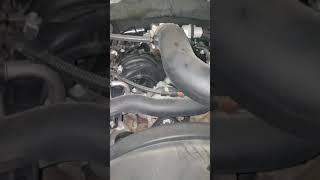
The oil pressure switch is located on the driver's side of the engine block, usually just above and slightly in front of the oil filter. It has a single wire connected to it. Access can be a bit tight, but it is reachable from the top by leaning over the fender 🎬 Watch this quick walkthrough of the switch replacement process or sometimes from underneath.
Can I replace the oil pressure switch myself?
Yes, this is a very DIY-friendly job. It requires basic tools and can typically be done in less than an hour. You will need a special oil pressure switch socket or a 1-1/16" deep well socket, a ratchet with an extension, and possibly some pliers to remove the electrical connector.
Is my gauge broken or is it the switch?
In most cases of a flickering or dead oil pressure gauge on these trucks, the switch is the culprit. It is an inexpensive part and the most common point of failure. If a new switch doesn't solve the problem, the issue could be the wiring or a bad solder joint on the back of the instrument cluster.
What happens if I ignore a bad oil pressure switch?
If the only symptom is a faulty gauge reading, ignoring it won't harm the engine. However, if the switch is leaking oil, the leak could worsen over time, leading to significant oil loss. More importantly, a non-functioning gauge means you won't get a warning in the rare event of a real, catastrophic loss of oil pressure.
Helpful Videos

Technical Specifications
OEM Part Numbers: E9SZ-9278-A
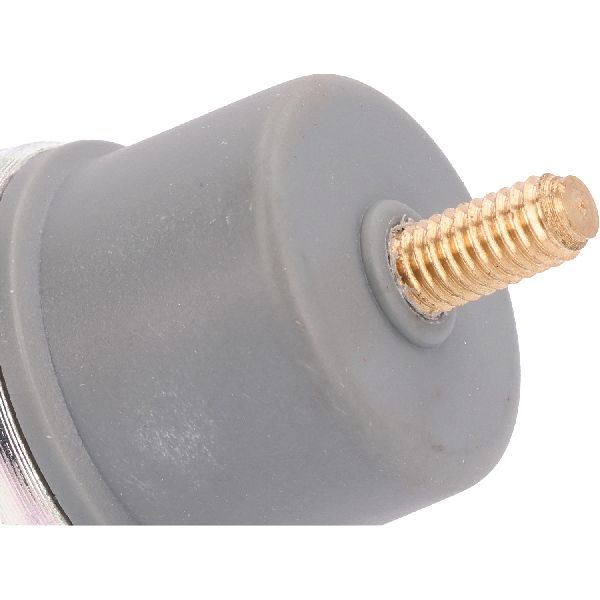
The oil pressure switch for 1987-1990 models is a low-pressure switch (approx. 6 PSI activation) that completes a circuit for the dash gauge. It uses a single-wire push-on connector.
We Have This Part in Stock


The information in this article is provided for general reference and educational purposes only. Vehicle specifications, procedures, and part compatibility can vary by production date, trim level, and region. Always consult your vehicle's factory service manual and verify part numbers before purchasing or performing repairs. Safety-critical components such as airbags, seat belts, and braking systems should be installed by a qualified professional.
- Ford F-150: