

A Comprehensive Guide to the Starter Motor for the 1985-1990 GMC Safari
Don't get stranded by a bad starter; understand the common problems and your replacement options for your van.
- Heat soak from the exhaust is a very common cause of starter failure on the 1985-1990 GMC Safari, often causing a no-start condition when the engine is hot.
- New aftermarket starters are a reliable and cost-effective solution, with high-torque models offering a potential upgrade to combat heat issues and provide faster cranking.
- Before replacing the starter, always verify the battery is healthy and all electrical connections are clean and tight, as poor connections can mimic starter failure.
- The replacement is a straightforward job for a DIY mechanic, typically requiring only basic tools and about 1-2 hours to complete.
Is Your Safari's Starter Failing?
A failing starter rarely dies without warning. For the 1985-1990 GMC Safari, which shares its platform with the Chevrolet Astro, certain symptoms are common. Recognizing them early can save you from being stranded.
A Common Problem: Heat Soak
One of the most frequent issues for these vans is starter 'heat soak.' This happens when the starter gets too hot from the nearby exhaust manifold. The heat increases electrical resistance inside the starter and its solenoid, causing it to crank very slowly or not at all when the engine is hot. After the van cools down for 30-60 minutes, it might start normally again. This is a classic sign that the starter is on its way out due to heat damage.
Choosing the Right Aftermarket Starter
For a vehicle from this era, finding a brand-new Original Equipment Manufacturer (OEM) starter is nearly impossible. The market is now served by new and remanufactured aftermarket parts, which are widely available and generally reliable for this application.
Brand Tiers and Options
Your main choices will be between standard replacement starters and high-torque or 'mini' starters.
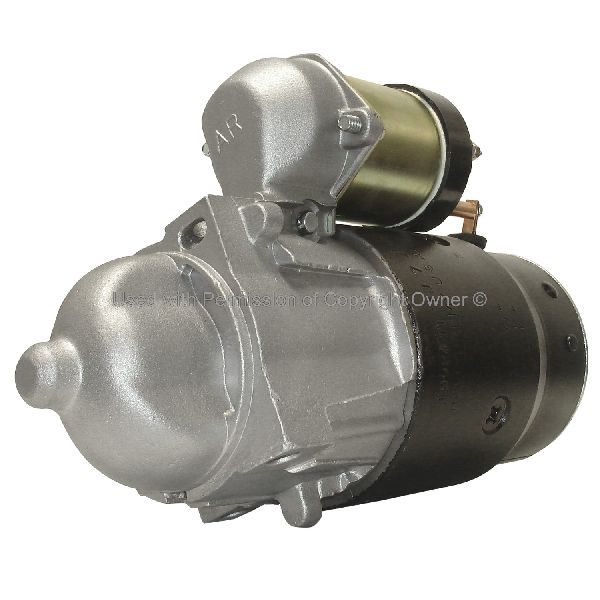
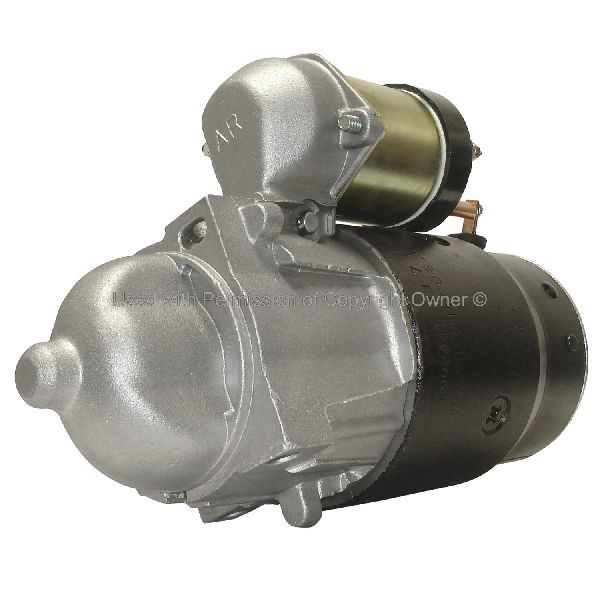
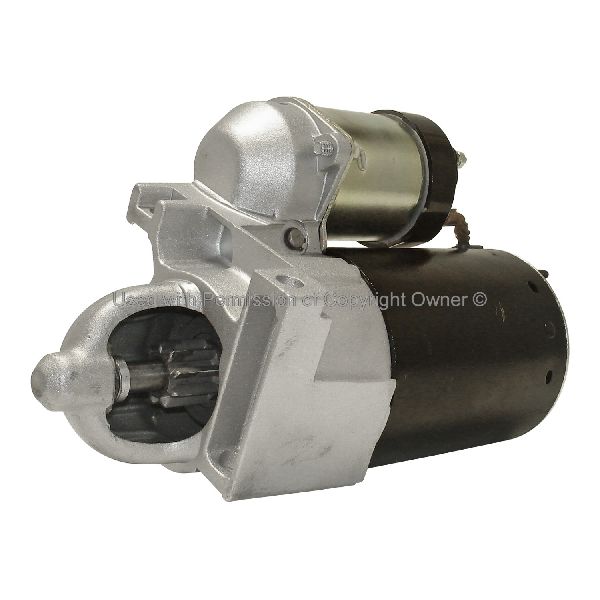
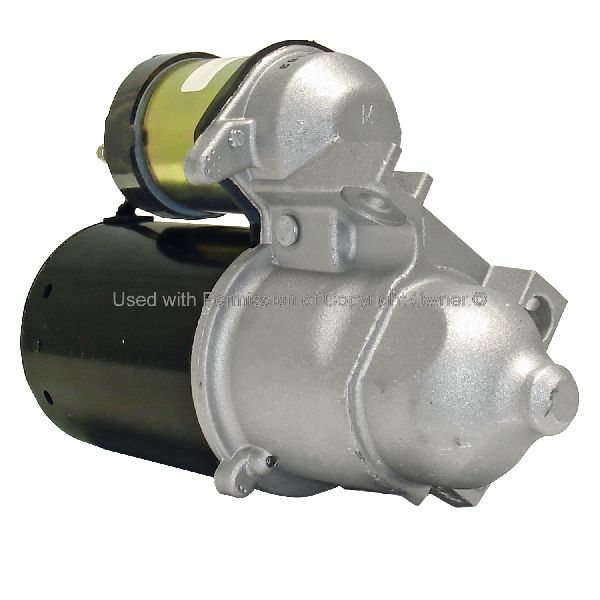
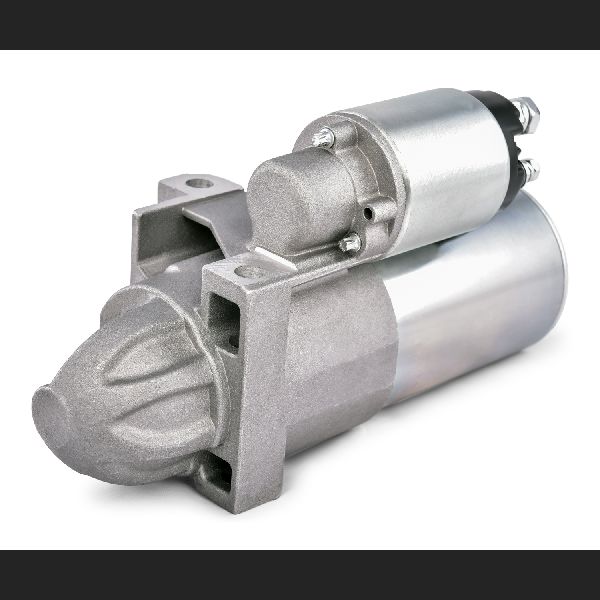
- Standard Replacement Starters (MPA): Brands like MPA (Motorcar Parts of America) focus on producing starters that meet or exceed original factory specifications. They are a direct-fit replacement designed for reliable, everyday operation. These are a solid, cost-effective choice for a stock GMC Safari.
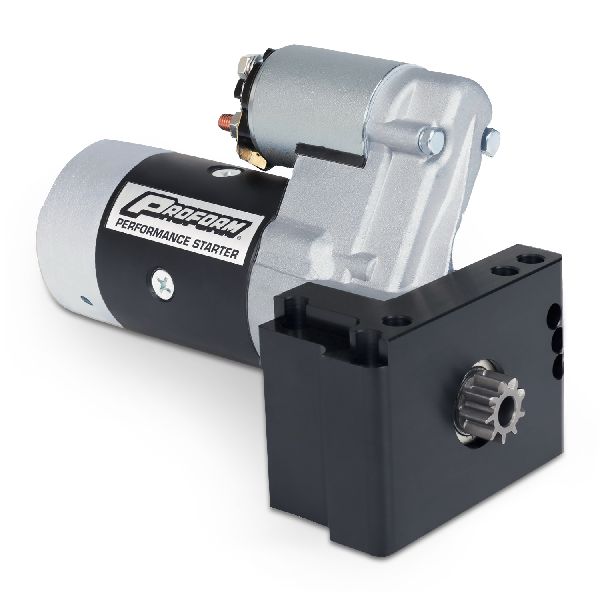
- High-Torque / Performance Starters (Proform): Brands like Proform specialize in high-torque, gear-reduction starters. These are often smaller and lighter than the original, providing more clearance, especially if you have aftermarket headers. They use a gear system to multiply torque, spinning the engine over faster and with more power, which can be helpful for engines with higher compression or for overcoming heat soak issues. While some users report great success, others have mentioned issues with fitment or durability, so careful installation is key.
Cost of Replacing a GMC Safari Starter
Starter replacement costs can be broken down into parts and labor. You can save significantly by doing the job yourself.
| Part Type | Estimated Cost |
|---|---|
| New Aftermarket | $95 - $285 |
| Remanufactured Aftermarket | $80 - $200 |
| Used OEM | $40 - $100 (Not Recommended) |
| Shop Labor | $120 - $250 |
Frequently Asked Questions (FAQ)
Why does my starter only fail when the engine is hot?
This is a classic symptom of heat soak. The starter is located near the hot exhaust manifold. Over time, this intense heat degrades the electrical windings inside the starter and solenoid, increasing their resistance. When hot, the starter can't draw enough power from the battery to turn the engine over. Installing a starter heat shield or upgrading to a high-torque starter can help prevent this.
Is it the starter, the battery, or the alternator?
If you hear a rapid clicking sound, your battery is likely too weak to engage the starter. If you hear a single, solid click but no crank, the starter solenoid is engaging but the motor isn't spinning, pointing to a bad starter. If the engine cranks very slowly, it could be a weak battery or a failing starter. If the vehicle starts but then dies, and the battery light is on, the problem is more likely the alternator.
Do I need a special high-torque starter?
For a stock 1985-1990 GMC Safari, a standard replacement starter is usually sufficient. However, a high-torque starter can be a good upgrade if you frequently experience heat soak, have modified your engine, or simply want the extra cranking power and better clearance. They are often lighter and more compact than the original design.
Were there any recalls for the starter on this van?
No, searches of the National Highway Traffic Safety Administration (NHTSA) database did not show any recalls or specific technical service bulletins (TSBs) for the starter motor on the 1985-1990 GMC Safari. Any recalls found were for much newer vehicles or different components like seats.
Technical Specifications
OEM Part Numbers: 10008053 (Shim)
Varies by engine (typically 4.3L V6). Most starters use a two-bolt mounting pattern. High-torque aftermarket options often feature a 3.75:1 gear reduction and a 1.4kW motor. Shims may be required for proper gear engagement.
We Have This Part in Stock

The information in this article is provided for general reference and educational purposes only. Vehicle specifications, procedures, and part compatibility can vary by production date, trim level, and region. Always consult your vehicle's factory service manual and verify part numbers before purchasing or performing repairs. Safety-critical components such as airbags, seat belts, and braking systems should be installed by a qualified professional.
- GMC Safari: