

Engine Coolant Bypass Hose Guide for 1985-1990 Jeep Cherokee XJ
Understand, diagnose, and replace the engine coolant bypass hose on your classic Renix-era Jeep Cherokee.
- The bypass hose is essential for proper engine warm-up on 1985-1990 Cherokees.
- Failure symptoms include coolant leaks, overheating, and a sweet smell from the engine bay.
- Reputable aftermarket brands like Gates and Dayco offer reliable, affordable replacements.
- It is strongly advised to replace all major coolant hoses at the same time as a preventative measure.
Is your 1985-1990 Jeep Cherokee leaking coolant?
A small rubber hose could be the culprit. The engine coolant bypass hose on early XJ models is a common failure point due to age. Made of EPDM rubber, these hoses become hard, brittle, and cracked after decades of exposure to heat and coolant. A failure here can quickly lead to overheating and serious engine damage.
Symptoms of a Failing Bypass Hose
- Coolant Leaks: The most obvious sign is a puddle of green or yellow coolant under your Jeep. The leak is often most noticeable near the front of the engine, around the water pump and thermostat housing.
- Low Coolant Level: You might find yourself constantly topping off the coolant reservoir. A slow leak from the bypass hose can be hard to spot as it may evaporate on the hot engine block.
- Steam or a Sweet Smell: If coolant drips onto hot engine parts, it will create steam and a distinct sweet smell. You may notice this after a drive or while idling.
- Engine Overheating: A significant leak will cause the coolant level to drop, leading to your temperature gauge climbing into the red. Running an engine while it is overheating can cause catastrophic damage, like a blown head gasket.
- Visible Hose Damage: Inspect the hose for cracks, splits (especially near the clamps), swelling, or a spongy feeling. Any of these signs mean the hose is ready to fail and should be replaced immediately.
Choosing the Right Aftermarket Hose
For a vehicle like the 1985-1990 Cherokee, original OEM Mopar parts are scarce. Fortunately, several reputable aftermarket brands produce high-quality replacement hoses that meet or exceed original specifications. Given this is a simple rubber part, a quality aftermarket hose is a reliable and cost-effective choice.
Forum discussions among Jeep owners show that brands like Gates and Dayco are common, reliable choices for standard replacement hoses. Both are known to produce hoses with good fitment and durability.
- Good: Dayco is a well-known brand offering affordable, OEM-quality EPDM rubber hoses that provide a precise fit.
- Better: Gates is often considered a top-tier brand for belts and hoses, with a strong reputation for quality and durability among mechanics and Jeep enthusiasts.
- Performance: Some owners opt for multi-ply silicone hoses from brands like HPS or Mishimoto for high-performance or off-road builds. While they offer superior heat resistance, they are significantly more expensive and can be more prone to "sweating" coolant over time, requiring more frequent fluid level checks. For most daily-driven or stock Cherokees, a quality EPDM rubber hose from Gates or Dayco is more than sufficient.
Pro Tip: Replace More Than Just One Hose
If your bypass hose has failed due to age, your other cooling system hoses (upper and lower radiator hoses, heater hoses) are likely in similar condition. It is highly recommended to replace all of them at the same time to prevent future failures. Also, replace the old hose clamps with new worm-gear or spring-style clamps.
Cost of Replacing an Engine Coolant Bypass Hose (1985-1990 Jeep Cherokee)
| Part/Service | Estimated Cost |
|---|---|
| New Aftermarket Hose | $11 - $82 |
| Shop Labor | $90 - $180 |
| Total Estimated Cost | $101 - $262 |
Note: Costs are estimates and can vary based on your location, the specific brand of part chosen, and your mechanic's labor rates.
Frequently Asked Questions
Can I still drive my Cherokee with a leaking bypass hose?
It is not recommended. A coolant leak can quickly escalate, causing the engine to overheat. Driving an overheating vehicle can lead to severe and expensive engine damage, such as a warped cylinder head or blown head gasket.
How difficult is it to replace the bypass hose myself?
For a DIY mechanic with basic tools, this is a relatively easy job. It involves draining some coolant, removing the old hose clamps, swapping the hose, and refilling the system. Access can sometimes be tight, but it typically takes about an hour.
What is the difference between the cooling system on a 1985-1990 Cherokee and a newer one?
The 1987-1990 models (and earlier) with the 4.0L engine use a "closed" or "Renix" cooling system, which features a pressurized coolant reservoir bottle on the firewall instead of a radiator cap. These systems are known to be less reliable than the "open" system used from 1991 onwards. Many owners convert their older XJs to the newer open system.
Are there any recalls for the 1985-1990 Jeep Cherokee cooling system?
There are no specific recalls from the NHTSA for the engine coolant bypass hose on the 1985-1990 Jeep Cherokee. Any recalls for this vehicle are for unrelated issues like brakes or steering components.
Technical Specifications
Material: EPDM Rubber. Common Diameters: 5/8 inch, 3/4 inch.
We Have This Part in Stock
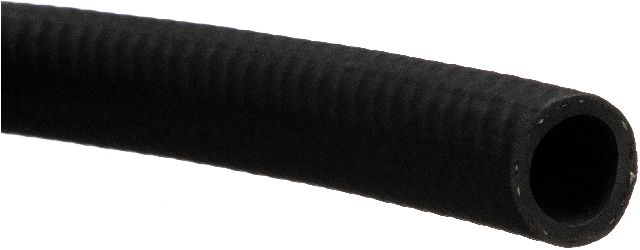
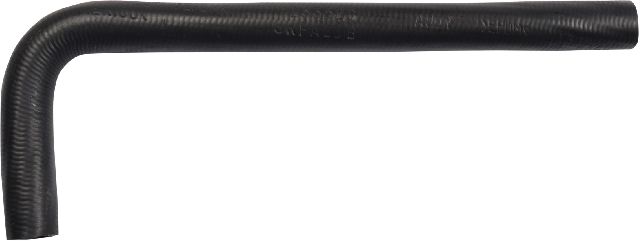
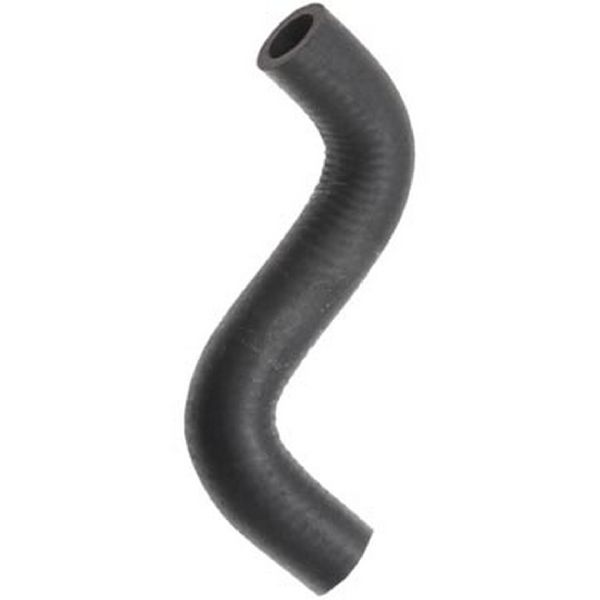

The information in this article is provided for general reference and educational purposes only. Vehicle specifications, procedures, and part compatibility can vary by production date, trim level, and region. Always consult your vehicle's factory service manual and verify part numbers before purchasing or performing repairs. Safety-critical components such as airbags, seat belts, and braking systems should be installed by a qualified professional.
- Jeep Cherokee: