

Ignition Control Module Guide for the 1985-1991 Chevrolet Astro
If your Astro van is stalling when it gets hot or refuses to start, the ignition control module is a likely suspect.
- The most common sign of failure is the engine stalling when hot and restarting after it cools down.
- This is a DIY-friendly repair located inside the distributor cap, but using the included thermal paste is absolutely essential for the new part's survival.
- While ACDelco and Delphi are considered top-tier brands, forum discussions suggest that the quality of all modern replacement electronics for older vehicles can be inconsistent.
- A failing module will leave you stranded without warning; do not rely on the vehicle for daily driving if you suspect it is failing.
Is Your Astro Stalling? Understanding the Ignition Control Module
A common and frustrating problem for 1985-1991 Chevrolet Astro owners is an engine that suddenly stalls, especially after it has warmed up. You might be driving normally, and then the engine cuts out and refuses to restart until it has cooled down. This classic symptom often points directly to a failing ignition control module (ICM). This small electronic component lives in a high-heat environment inside the distributor, and after decades of service, it's prone to failure.
Symptoms of a Failing Astro Ignition Module
When the ICM starts to go bad, it can cause a range of problems that can be intermittent at first, making them tricky to diagnose. Watch for these signs:
- Stalling When Hot: This is the most common symptom. The module overheats and stops working, killing the engine. It may start again after cooling for 15-30 minutes.
- Engine Cranks but Won't Start: The starter will turn the engine over, but there is no spark to get it to fire up.
- Rough Idle and Misfires: The engine may run poorly, shake, or feel uneven at idle or while driving because the spark is inconsistent.
- Hesitation or Power Loss: During acceleration, the van may hesitate or stumble as the failing module struggles to provide a consistent spark signal.
- Check Engine Light: A faulty module can sometimes trigger a Check Engine Light, though this is less common on older OBD-I systems.
Heat is the Enemy
The primary cause of failure for these modules is repeated exposure to high heat inside the engine bay and distributor. The electronic components inside break down over time, leading to the intermittent failures you experience.
Choosing the Right Aftermarket Ignition Module
Original GM parts for a vehicle of this age are scarce. The aftermarket is your primary source for a new ignition control module. While many brands are available, quality can be inconsistent for older electronic parts. Here’s a breakdown of the common choices:
- ACDelco / Delphi: ACDelco is GM's official parts brand, and Delphi was a major GM parts manufacturer. For this reason, they are considered the top-tier or OEM-equivalent choices. They are engineered to meet original specifications. However, be aware that even with these brands, manufacturing has often moved overseas, and some users in forums have reported issues with new parts failing.
- Standard Ignition (SMP): Standard Motor Products is a very large and generally respected aftermarket manufacturer. Many professional mechanics trust their parts for quality and reliability, making them a solid choice.
- Accel: Accel specializes in performance ignition components. While they may offer a high-quality part, they are often geared more towards performance applications than standard replacement.
Given the age of the Astro, some owners on forums suggest that many modern replacement modules, regardless of brand, may not have the same lifespan as the original part. Some opt for parts with a lifetime warranty from a local store for peace of mind.
CRITICAL STEP: Use Thermal Paste!
Your new ignition module will come with a small packet of white or silver grease. This is thermal paste (sometimes called dielectric grease). You MUST apply a thin layer of this paste to the metal bottom of the new module before installing it. This paste helps transfer heat away from the module to the distributor body, preventing it from overheating and failing prematurely. Skipping this step will cause your new part to fail very quickly.
Cost of Replacing the Ignition Control Module
| Part Type | Estimated Cost |
|---|---|
| New Aftermarket Part | $72 - $113 |
| Shop Labor | $60 - $120 |
| Total Estimated Cost | $132 - $233 |
Frequently Asked Questions
Do I need to replace the whole distributor?
No, not usually. The ignition control module can be replaced by itself. You only need to remove the distributor cap to access it. The entire distributor only needs to be replaced if its internal components, like the shaft or pickup coil, are also damaged.
Is this a difficult job to do myself?
For most DIY mechanics, this is a fairly easy job. It requires basic hand tools, like a screwdriver and a small socket (often 5.5mm), and should take less than an hour. The main challenge is the tight space near the firewall.
My auto parts store can test my module. Is that reliable?
Yes, most parts stores have a machine to test ignition modules. However, since these modules often fail only when they get hot, ask the store to run the test multiple times in a row to heat it up. A module can pass the test when it's cold but still be faulty.
Are there any recalls for the Astro ignition module?
No. While GM has had major recalls for ignition *switches* on much newer cars, searches of the NHTSA database show no safety recalls for the ignition control *module* on the 1985-1991 Chevrolet Astro.
Technical Specifications
OEM Part Numbers: 19179581 D1943A D1906
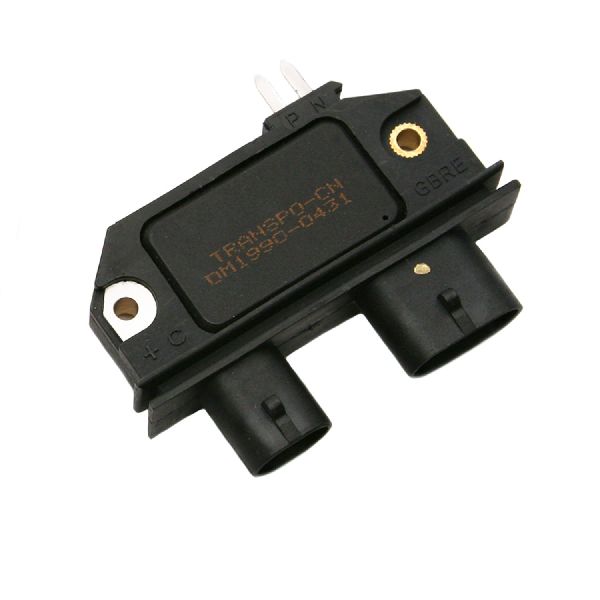
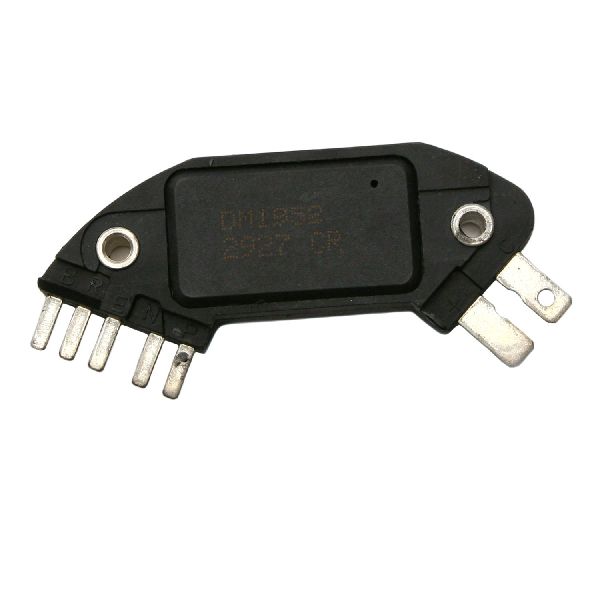
Located inside the distributor. Typically has 4 terminals/pins for this application.
We Have This Part in Stock


The information in this article is provided for general reference and educational purposes only. Vehicle specifications, procedures, and part compatibility can vary by production date, trim level, and region. Always consult your vehicle's factory service manual and verify part numbers before purchasing or performing repairs. Safety-critical components such as airbags, seat belts, and braking systems should be installed by a qualified professional.
- Chevrolet Astro:
- 🛍️ Shop This Part
- Is Your Astro Stalling? Understanding the Ignition Control Module
- Symptoms of a Failing Astro Ignition Module
- Heat is the Enemy
- Choosing the Right Aftermarket Ignition Module
- CRITICAL STEP: Use Thermal Paste!
- Cost of Replacing the Ignition Control Module
- Frequently Asked Questions
- 🎟️ Get 5% Off