

Ignition Knock Sensor Guide for the 1985-1991 Chevrolet Astro
Keep your Astro's 4.3L V6 engine safe from damaging detonation with the right knock sensor.
- A bad knock sensor will cause poor performance and fuel economy on your Astro.
- Replacement is very easy and accessible after removing the interior engine cover.
- Stick with premium aftermarket brands like ACDelco or Delphi for best results.
- Crucially, you must torque the new sensor to 15 ft-lbs to ensure it works correctly.
Is a Bad Knock Sensor a Big Deal?
Yes, it can be. On the 1985-1991 Chevrolet Astro, the knock sensor is a key part of the engine management system. If it fails, the engine's computer can't tell if detonation is happening. As a safety measure, the computer will often default to a "safe mode," which retards the ignition timing. This can lead to noticeably poor performance, bad fuel economy, and hesitation when you step on the gas. Ignoring it can lead to more serious engine problems down the road.
Symptoms of a Failing Knock Sensor on Your Astro
Your first-generation Astro has a simpler computer system (OBD-I) than newer cars, but the signs of a bad knock sensor are often clear:
- Poor Acceleration: The van may feel sluggish or hesitant, especially when trying to accelerate quickly or go up hills. This is often the most reported symptom by owners.
- Reduced Fuel Economy: If the engine's computer is constantly using a safe, inefficient timing map, you'll notice you're filling up the tank more often.
- Engine Pinging: You might hear a metallic rattling or pinging sound from the engine, especially under load. This is the sound of the detonation that the sensor is supposed to detect.
- Check Engine Light: A failed sensor will trigger the "Check Engine" or "Service Engine Soon" light on your dashboard. The system will store a trouble code, which on these older vans is typically Code 43.
Choosing the Right Aftermarket Knock Sensor
For a vehicle of this age, OEM parts from GM are often discontinued or hard to find. The aftermarket is your best bet, and the quality is generally very good for this part. However, not all brands are created equal. These sensors are sensitive instruments; they are tuned to detect specific vibration frequencies. Using a low-quality part can result in it not working at all or sending false signals.
Aftermarket Brand Tiers
| Tier | Brands | Notes |
|---|---|---|
| Premium Aftermarket | ACDelco, Delphi | Both ACDelco and Delphi were original equipment suppliers to GM. Choosing a sensor from one of these brands is the closest you can get to the original part's performance and reliability. Forum users and mechanics often recommend sticking with these two for critical sensors. |
| Quality Aftermarket | NGK, Standard Ignition (SMP), Walker Products | These are well-respected brands in the aftermarket. Standard Ignition (often sold as SMP) and NGK have strong reputations for engine management components. Walker Products also produces a wide range of sensors that meet or exceed OE specifications. These are a solid choice if a premium brand isn't available. |
| Standard/Economy | True Tech, Global Parts | These brands are typically more budget-friendly. While they may function correctly, their long-term durability and sensitivity may not match the higher-tiered brands. For a critical sensor like this, it's often worth spending a little more for a trusted name. |
Pro Tip: Check the Threads!
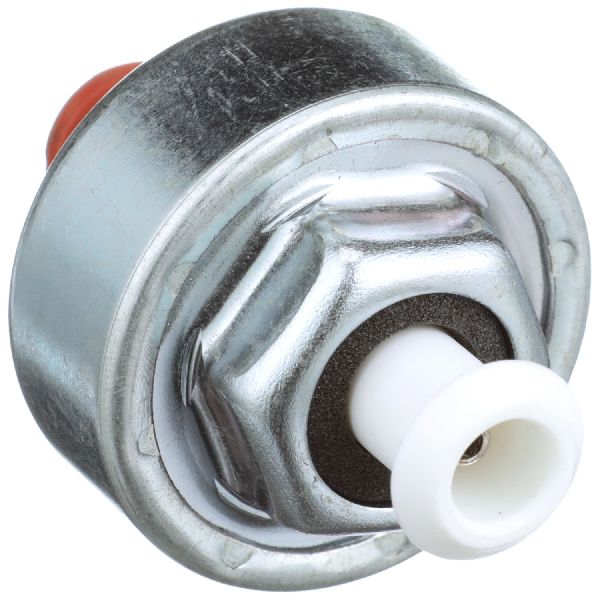
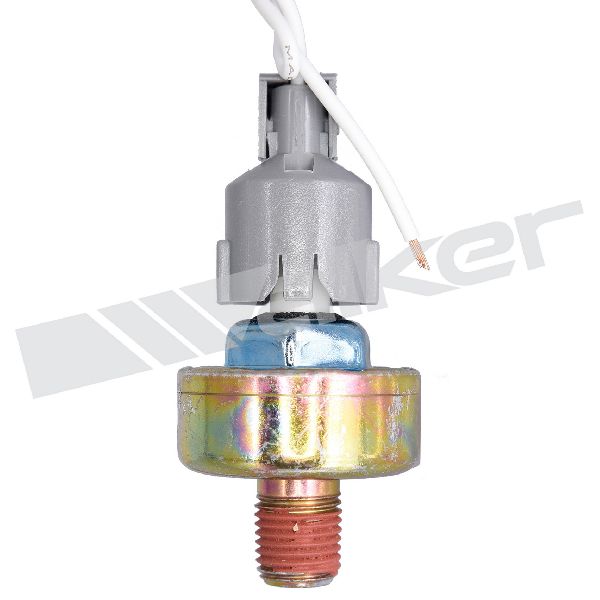
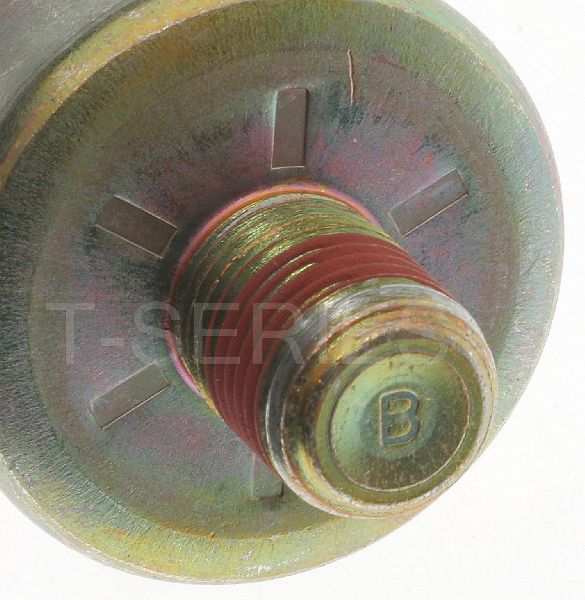
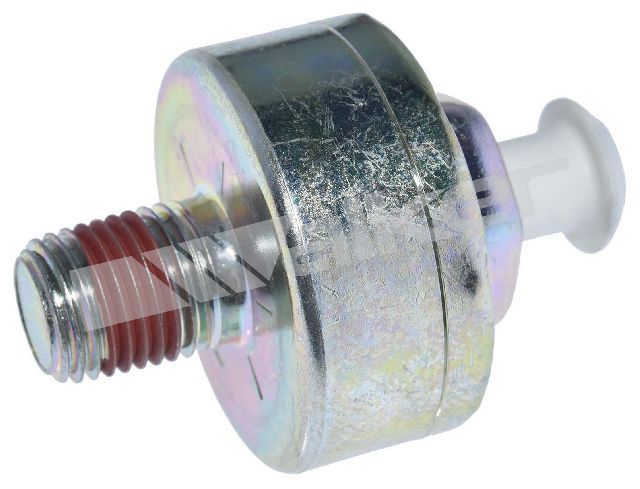
During this production run, GM apparently used knock sensors with different thread sizes. Before ordering, it's a good idea to verify what's on your van if possible. If not, be prepared that you might receive the wrong one and need to exchange it. Many owners buy both and return the one they don't use.
Frequently Asked Questions
Where is the knock sensor located on a 1985-1991 Astro?
On the 4.3L V6 engine, the knock sensor is typically located on the engine block, right next to the distributor. You will need to remove the interior engine cover (the "doghouse") to access it. It's a single-wire sensor screwed directly into the block.
Is this a difficult part to replace myself?
No, this is a very straightforward job for a DIY mechanic. Once the engine cover is off, access is easy. You simply unplug the single wire and use a socket to unscrew the old sensor. The entire process should take less than an hour.
Do I need to do anything special when installing the new sensor?
Yes. The most important thing is to tighten the new sensor to the correct torque specification, which is typically 15 ft-lbs. Do not overtighten it. Overtightening can damage the sensitive crystal inside and cause it to malfunction. Also, make sure the electrical connector is clean and makes a solid connection.
Are there any recalls or TSBs for this part?
There are no specific recalls or Technical Service Bulletins (TSBs) from Chevrolet for the knock sensor on the 1985-1991 Astro. Any issues are typically due to the age and normal failure of the component.
Technical Specifications
OEM Part Numbers: 10456288 10456549
Location: Engine Block, next to distributor. Torque Spec: 15 ft-lbs. Connector: 1-pin.
We Have This Part in Stock


The information in this article is provided for general reference and educational purposes only. Vehicle specifications, procedures, and part compatibility can vary by production date, trim level, and region. Always consult your vehicle's factory service manual and verify part numbers before purchasing or performing repairs. Safety-critical components such as airbags, seat belts, and braking systems should be installed by a qualified professional.
- Chevrolet Astro: