

A Comprehensive Guide to the 1985-1991 Chevrolet Caprice Oxygen Sensor
Keep your classic Caprice with the TBI V8 running efficiently by choosing the right replacement oxygen sensor.
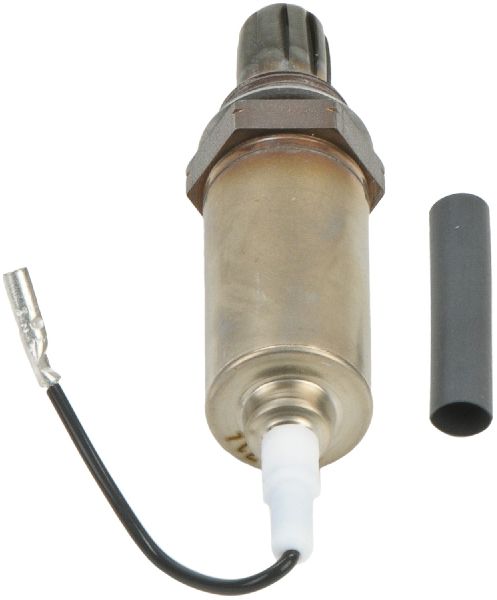
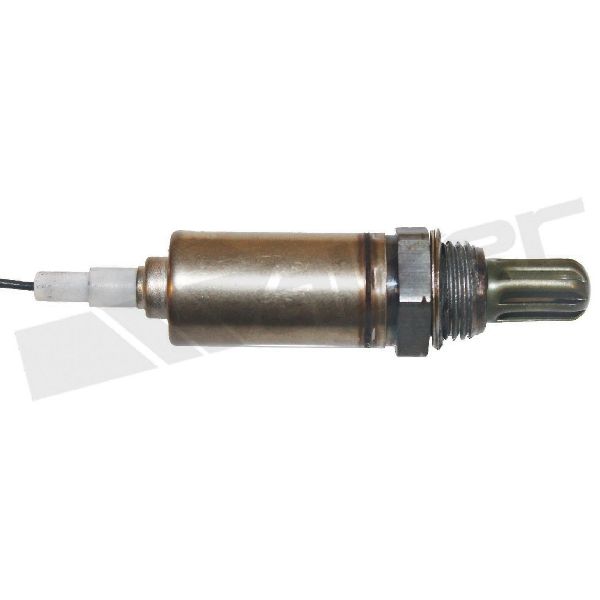
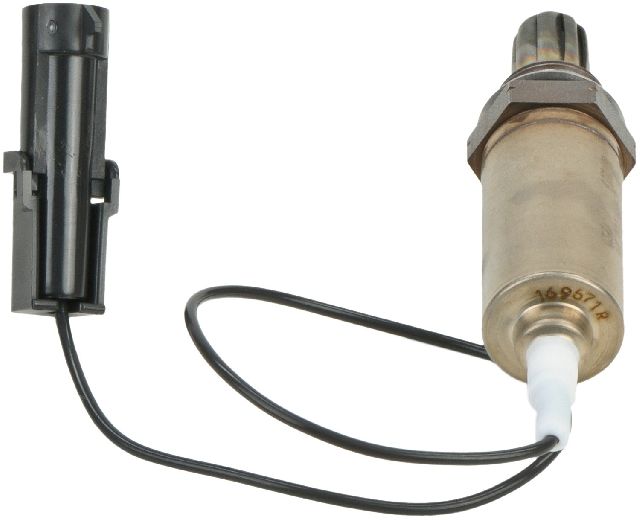
- Your Caprice has a single 1-wire, unheated O2 sensor located in the driver's side exhaust manifold.
- Ignoring a bad sensor can lead to very expensive catalytic converter damage over time.
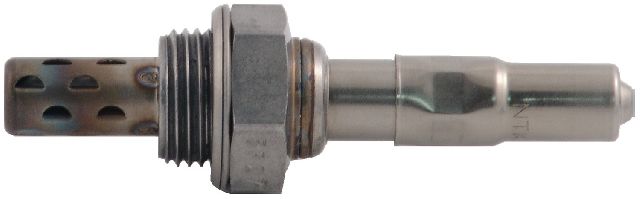
- Premium aftermarket brands like NGK/NTK, Denso, and Delphi are highly reliable choices for this vehicle.
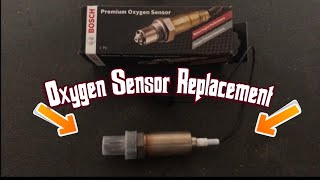
- DIY replacement is possible, but the old sensor may be seized; use penetrating oil and the correct O2 sensor socket.
Symptoms of a Failing Oxygen Sensor
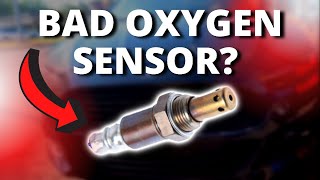
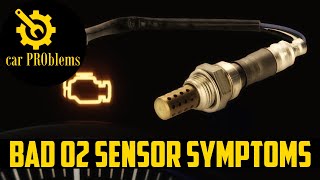
On this generation of Caprice, the oxygen sensor is a simple but vital component. When it starts to fail, it provides inaccurate information to the engine's computer, leading to a range of noticeable problems. You should suspect a bad O2 sensor if you experience any of the following issues.
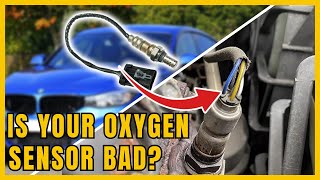
- Check Engine Light: A failing O2 sensor is a common reason for the 'Check Engine' light to illuminate. For these vehicles with an OBD-I system, a common trouble code is Code 13, indicating an issue with the oxygen sensor circuit. 🎬 Watch: How to read GM OBD-I service engine codes
- Poor Fuel Economy: If the sensor fails, the ECM may default to a 'rich' fuel mixture, meaning it injects more fuel than necessary. This will cause a noticeable drop in your miles per gallon.
- Rough Idle and Poor Performance: An incorrect air-fuel mixture can lead to a rough or irregular idle, engine hesitation, misfires, and a general feeling of sluggish performance.
- Failed Emissions Test: An improperly functioning O2 sensor will prevent the catalytic converter from working effectively, leading to high levels of pollutants in the exhaust and a failed emissions test.
- Strong Smell of Fuel: A rich-running engine can produce a strong, unpleasant smell of unburnt gasoline from the exhaust pipe.
Long-Term Damage
Driving for an extended period with a bad oxygen sensor can cause the engine to run consistently rich. This can overwhelm and destroy the catalytic converter, a much more expensive part to replace.
Choosing the Right Aftermarket O2 Sensor
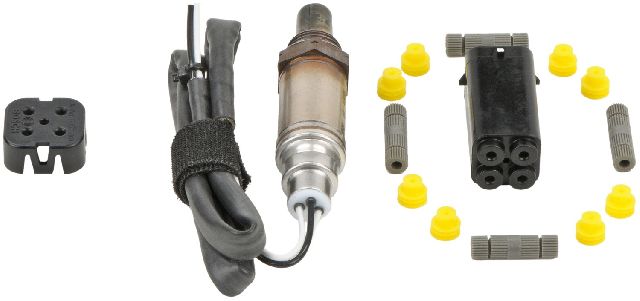
Your 1985-1991 Caprice uses a single, 1-wire, unheated oxygen sensor. While universal or multi-wire heated sensors are available, a direct-fit 1-wire sensor is the simplest and most reliable option, avoiding any need for wiring modifications. For a vehicle of this age, high-quality aftermarket brands offer excellent performance and value compared to searching for a New Old Stock (NOS) OEM part.
Brand Quality Tiers
When shopping for a replacement, consider these brand tiers based on reputation and owner feedback for classic GM vehicles:
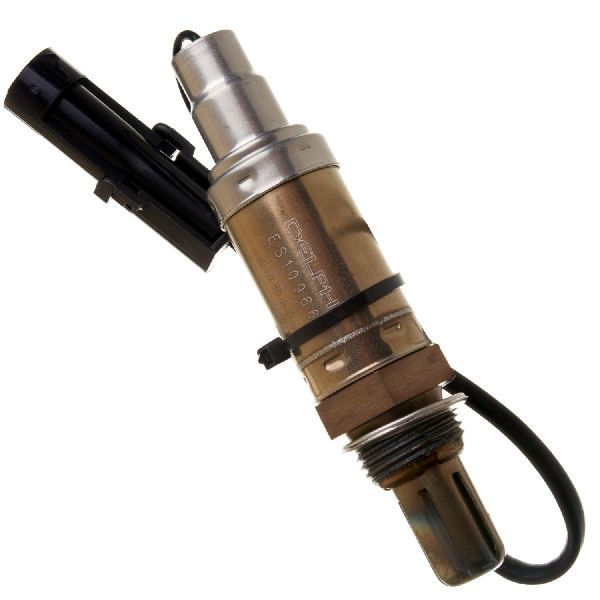
- Premium Aftermarket (OEM-Equivalent): Brands like NGK (also sold as NTK), Denso, and Delphi are highly respected. They are often original equipment suppliers for many car manufacturers and are known for their reliability and precise signaling, making them a top choice for a trouble-free replacement.
- Trusted Aftermarket: Bosch invented the automotive oxygen sensor and is a massive OEM supplier. While their quality is generally very good, some enthusiasts prefer NGK or Denso for aftermarket replacements on older vehicles.
- Economy Options: Brands like Walker Products and DriveWire offer a more budget-friendly price point. They can be a viable choice for keeping an older vehicle on the road, but may not have the same longevity or exacting standards as the premium brands.
Pro Tip: Always apply a small amount of the included anti-seize compound to the threads of the new sensor before installation. This prevents it from getting stuck in the exhaust manifold, making future replacement much easier.
🎬 Watch this helpful guide on how to replace an O2 sensorAftermarket Oxygen Sensor Cost for 1985-1991 Caprice
| Part Type | Price Range |
|---|---|
| New Aftermarket Oxygen Sensor | $28.13 - $92.58 |
| Shop Labor for Installation | $50 - $100 |
Cost estimates are for the part only and do not include installation fees or taxes. Prices are subject to change.
Frequently Asked Questions
How many oxygen sensors does my 1985-1991 Caprice have?
Your vehicle has only one oxygen sensor. It is located upstream of the catalytic converter, screwed into the driver's side (LH) exhaust manifold.
Can I replace the oxygen sensor myself?
Yes, this is a feasible DIY job for a home mechanic. The main challenge is that the old sensor can be rusted and seized in the manifold. You will need a special O2 sensor socket or a 7/8" wrench and potentially some penetrating oil to remove the old one. The electrical connection is a simple, single-wire plug.
🎬 See this walkthrough for replacing sensors on GM TBI enginesIs a heated or 3-wire sensor better for my Caprice?
Not necessarily. The original system was designed for a 1-wire, unheated sensor. While a heated sensor can enter 'closed-loop' operation faster on cold starts, the stock ECM isn't programmed to take full advantage of it, and you would need to find a way to supply power to the heater circuit. Sticking with a direct-fit 1-wire sensor is the most straightforward approach.
Are there any recalls for the oxygen sensor on this car?
No, there are no specific recalls or technical service bulletins (TSBs) from GM or the NHTSA related to the oxygen sensor for the 1985-1991 Chevrolet Caprice.
Helpful Videos
Technical Specifications
OEM Part Numbers: AFS21
Type: 1-Wire, Unheated Location: Upstream (in driver's side exhaust manifold) Thread Size: M18x1.5
We Have This Part in Stock

The information in this article is provided for general reference and educational purposes only. Vehicle specifications, procedures, and part compatibility can vary by production date, trim level, and region. Always consult your vehicle's factory service manual and verify part numbers before purchasing or performing repairs. Safety-critical components such as airbags, seat belts, and braking systems should be installed by a qualified professional.
- Chevrolet Caprice: