

Dodge Monaco Engine Coolant Bypass Hose: A Comprehensive Guide (1990-1991)
Everything a Monaco owner needs to know about this small but critical cooling system hose.
- Only fits the 1990-1991 Dodge Monaco with the 3.0L V6 engine.
- Symptoms include coolant leaks, overheating, and a constant need to add coolant.
- Aftermarket brands like Dayco and Gates are high-quality and the most practical choice.
- While replacing the hose, it is critical to follow the specific air bleeding procedure for the cooling system to prevent overheating.
Understanding Your Monaco's Cooling System
The Dodge Monaco sold between 1990 and 1991 was a distinct vehicle, sharing its platform with the Eagle Premier. Its 3.0L V6 engine relies on a network of hoses to keep it cool, and the engine coolant bypass hose is a vital component. This small, often overlooked hose allows coolant to bypass the main radiator and circulate directly through the engine when it's cold. This helps the engine warm up faster and ensures consistent temperatures, which is critical for performance and longevity. Because it constantly handles hot coolant, this hose can degrade over time and is a common source of leaks.
A Note on Model Years
The Dodge Monaco name was not used from 1979 until its reintroduction in 1990. This guide specifically covers the 1990-1991 models equipped with the 3.0L V6 engine. Information here does not apply to earlier or later vehicles that carried the Monaco name.
Symptoms of a Failing Bypass Hose
A failing bypass hose will show clear signs of a problem. Ignoring them can lead to severe engine damage from overheating. You should inspect your hoses if you notice:
- Coolant Leaks: This is the most obvious sign. You might see greenish, pinkish, or orange fluid dripping under the engine bay or notice residue on the engine itself. A small leak might present as steam or just a sweet smell of coolant after the engine has been running.
- Low Coolant Level: If you have to add coolant to the reservoir frequently, you likely have a leak somewhere in the system. The bypass hose is a common culprit.
- Engine Overheating: If the hose fails completely, it will cause a rapid loss of coolant, leading to the engine temperature gauge rising into the red. This is a critical situation that requires you to stop the engine immediately to prevent catastrophic damage.
- Visible Hose Damage: During a visual inspection, look for cracks, splits, swelling, or a spongy, soft feeling in the hose. Hoses that feel rock-hard or brittle are also due for replacement.
Choosing the Right Aftermarket Hose
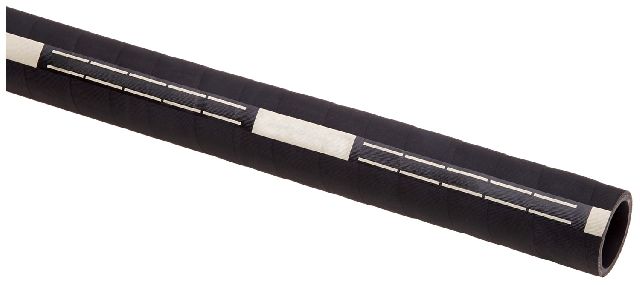
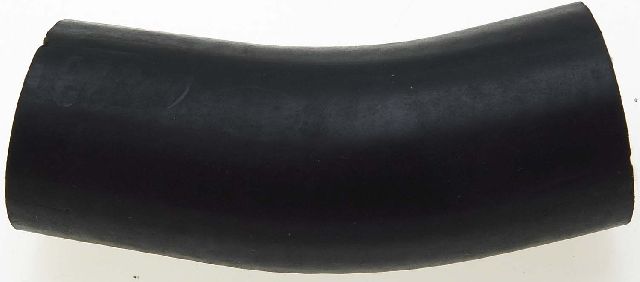
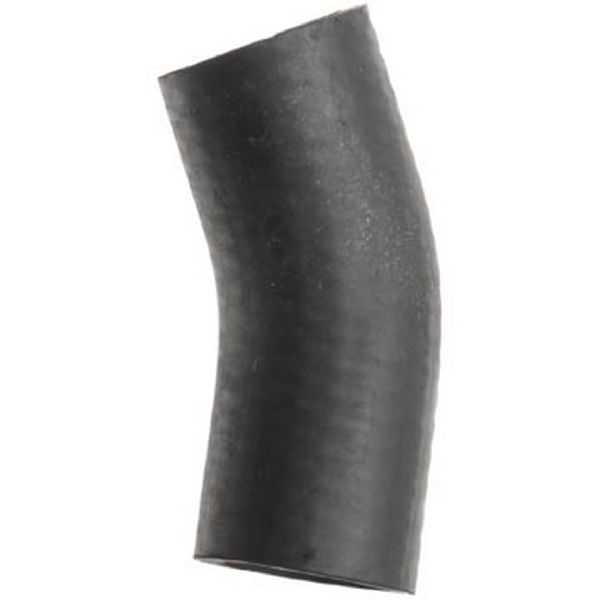
For a vehicle like the 1990-1991 Monaco, new original equipment manufacturer (OEM) parts are often discontinued and unavailable. Fortunately, high-quality aftermarket brands provide excellent replacements. The main options available are from Dayco and Gates.
- Brand Tier: Both Dayco and Gates are considered top-tier aftermarket manufacturers. They are well-respected in the automotive repair community for producing parts that meet or exceed OEM specifications.
- Quality Assessment: You can't go wrong with either brand. Some mechanics have a personal preference, with some noting that Dayco hoses can feel slightly thicker, while others praise Gates for excellent fitment and catalog accuracy. Both use high-quality EPDM rubber designed to resist heat and degradation. The choice between them often comes down to availability and price.
Pro Tip: Replace the Clamps
When replacing any coolant hose, it's best practice to also replace the hose clamps. The original spring-style clamps can lose tension over time. While some mechanics prefer to reuse them, new worm-gear or spring clamps are inexpensive and provide peace of mind against future leaks.
Cost of Replacing the Engine Coolant Bypass Hose
| Part Type | Price Range |
|---|---|
| New Aftermarket (Dayco, Gates) | $21.55 - $57.54 |
| Shop Labor | $110 - $200 |
| Total Estimated Cost | $131.55 - $257.54 |
Note: Costs are estimates and can vary based on your location and the specific repair shop. OEM parts are generally not available.
Frequently Asked Questions
Is the bypass hose the same as a heater hose?
No, they are different parts, though they are both part of the cooling system. A bypass hose circulates coolant within the engine, while heater hoses carry hot coolant to the heater core to provide heat to the cabin. Some parts listings may group them together, so it's important to verify the specific application.
How difficult is it to replace the bypass hose myself?
For a DIYer with some experience, this is a manageable job. The main challenges are accessing the hose, which may be in a tight spot, and properly draining, refilling, and bleeding the cooling system of air. The cooling system on these cars has a specific bleeding procedure that must be followed to avoid air pockets, which can cause overheating.
Are there any recalls for the 1990-1991 Monaco cooling system?
Yes, there was a significant recall (NHTSA 94V-006) for the heater core end cap, which could rupture and leak hot coolant into the passenger compartment. While this is not the bypass hose itself, it highlights a known point of failure in the cooling system of this vehicle. It is unrelated to the bypass hose but shows the importance of maintaining all cooling components.
How often should I replace my coolant hoses?
There is no strict mileage interval, but it is wise to inspect all coolant hoses during regular maintenance. As a general rule, consider replacing hoses preventatively every 5-7 years or anytime they feel soft, spongy, or brittle.
Technical Specifications
Vehicle specific. The hose connects the engine block/water pump to allow coolant circulation when the thermostat is closed. Aftermarket parts are typically made of EPDM rubber.
We Have This Part in Stock

The information in this article is provided for general reference and educational purposes only. Vehicle specifications, procedures, and part compatibility can vary by production date, trim level, and region. Always consult your vehicle's factory service manual and verify part numbers before purchasing or performing repairs. Safety-critical components such as airbags, seat belts, and braking systems should be installed by a qualified professional.
- Dodge Monaco: