

Ford E-150 Econoline Serpentine Belt Replacement Guide (1985-1991)
Everything you need to know to choose the right new aftermarket serpentine belt for your 1985-1991 Ford E-150 Econoline.
- First, confirm if your van has a single serpentine belt or multiple V-belts, as this varied in the 1985-1991 period.
- Squealing is the number one sign of a problem, but always inspect for physical cracks and fraying.
- For a complete repair, replace the belt tensioner and idler pulleys at the same time as the belt.
- Premium aftermarket brands like Gates and Continental offer excellent, reliable quality for this vehicle.
Is it a Serpentine Belt or V-Belts?
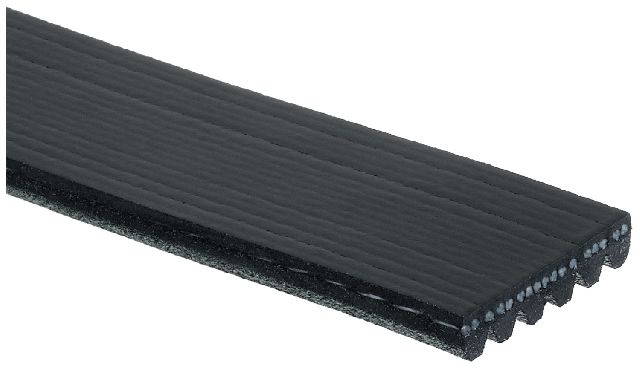
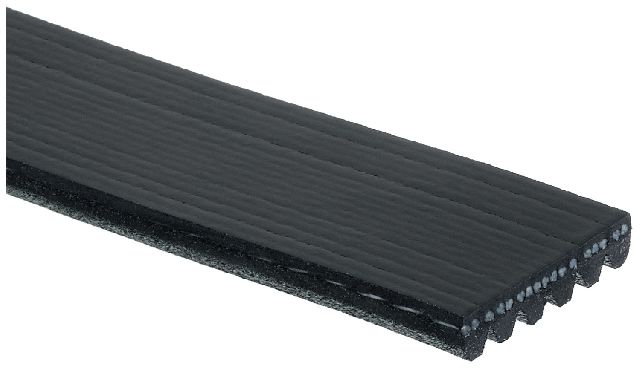
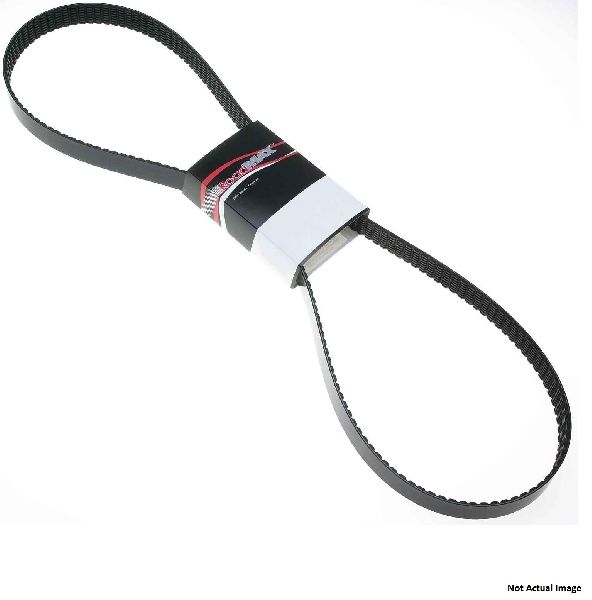
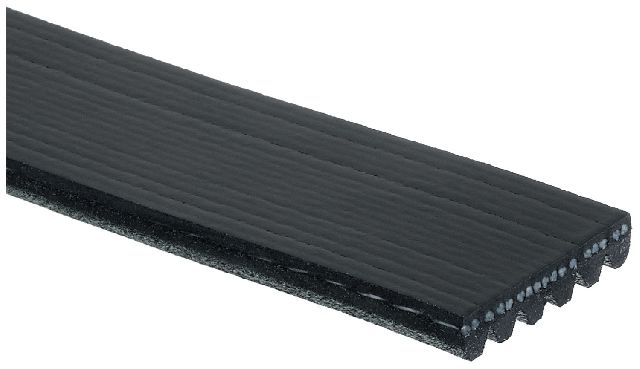
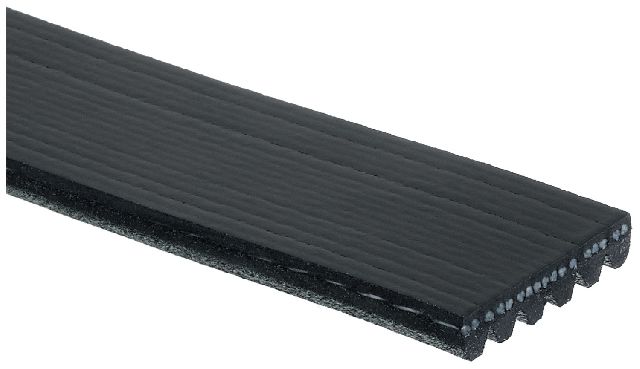
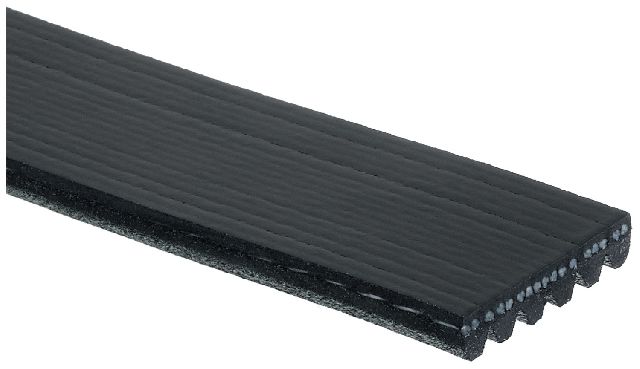
Check Your Belt Setup Before Buying. The 1985-1991 model years were a transition period for Ford. Many earlier vans in this range, especially around 1985-1987, came from the factory with multiple individual V-belts instead of a single serpentine belt. Later models, typically from 1988 to 1991, use a single, wide, ribbed serpentine belt. Always visually inspect your engine to confirm which system you have before ordering parts.
Symptoms of a Bad Serpentine Belt
A failing serpentine belt will almost always give you a warning sign. Ignoring it can leave you stranded when the belt finally breaks.
- Squealing Noises: This is the most common symptom. A high-pitched squeal, especially on startup or when the engine is under load (like turning the steering wheel or running the A/C), points to a worn, loose, or contaminated belt.
- Visible Wear and Tear: Look at the belt itself. If you see cracks, fraying, missing ribs, or a glazed, shiny appearance, it's time for a replacement.
- Accessory Problems: If your battery light comes on, your power steering feels heavy, or your A/C stops blowing cold, the belt may be slipping or broken, failing to power those accessories.
- Belt "Walking": In some cases, a worn belt or a failing tensioner can cause the belt to move out of alignment and ride off the edge of a pulley.
Choosing the Right Aftermarket Serpentine Belt
For a vehicle like the 1985-1991 E-150, a high-quality aftermarket belt from a reputable brand is an excellent choice and often meets or exceeds original factory specifications. Modern belts are typically made from a durable EPDM rubber compound that resists heat and cracking better than older materials.
Here’s a breakdown of the available brands:
| Brand Tier | Brands | Quality & Reputation |
|---|---|---|
| Premium Aftermarket | Gates, Continental | Both Gates and Continental are top-tier brands trusted by professional mechanics. They are known for excellent durability and quiet operation. Continental now produces the 'Elite' series with technology from the highly-regarded Goodyear Gatorback belts, which are designed to reduce noise on drives with minor pulley misalignment. You cannot go wrong with either brand for a reliable, long-lasting replacement. |
| Standard / OE-Quality | Dayco, INA | Dayco is a well-known manufacturer that supplies parts to automakers and the aftermarket. They offer a solid, reliable product that provides good performance and value. INA is a major OEM supplier, especially for tensioners and pulleys, and their components are often found in kits from other brands; their belts are also considered good quality. |
Pro Tip: Replace More Than Just the Belt. The serpentine belt works with a tensioner and idler pulleys. These parts have bearings that wear out over time. A bad tensioner was the cause of belt alignment issues in some E-150s. For a complete and lasting repair, it is highly recommended to replace the belt, tensioner, and any idler pulleys at the same time. Kits that include all these components are often available.
🎬 Watch this walkthrough on how to replace a worn belt tensioner.Frequently Asked Questions (FAQ)
Are there any recalls for the serpentine belt on my 1985-1991 E-150?
No, searches of the National Highway Traffic Safety Administration (NHTSA) database did not find any safety recalls specifically related to the serpentine belt or its components for this generation of Ford E-150 Econoline vans.
Can I replace the serpentine belt myself?
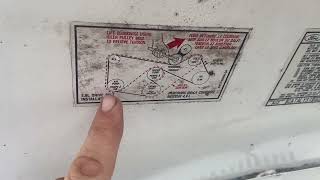
Yes, this is a very DIY-friendly job for most home mechanics. The process involves using a wrench or breaker bar to release the spring-loaded tensioner, slipping the old belt off, routing the new one according to the diagram (often found on a sticker under the hood), and releasing the tensioner to tighten the new belt. The most important part is ensuring the belt is routed correctly around all pulleys.
What causes a new belt to squeak?
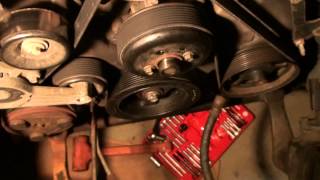
If a brand new belt squeaks, the cause is almost always something other than the belt itself. The most common reasons are a weak tensioner that isn't providing enough pressure, misaligned pulleys, or fluid contamination (like oil, coolant, or belt dressing) on the pulleys or the belt. 🎬 See how a harmonic balancer can cause belt chirps and squeaks. Never use belt dressing, 🎬 Watch this 1988 E-150 belt replacement and why to avoid dressing. as it provides only a temporary fix and can cause more problems.
How often should I replace my serpentine belt?
There is no exact mileage interval, but a general guideline is to inspect the belt during every oil change and plan for replacement every 60,000 to 90,000 miles. For an older vehicle like the E-150, it's best to replace it based on condition rather than mileage. If it shows any signs of cracking, fraying, or glazing, it should be replaced immediately.
Helpful Videos
Technical Specifications
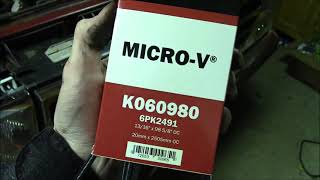
OEM Part Numbers: E8UZ-8620-D
The 1985-1991 Ford E-150 was available with a 4.9L I6, 5.0L V8, or 5.8L V8 engine. Depending on the model year and engine configuration, the accessory drive system uses either multiple V-belts (common in 1985-1987) or a single serpentine belt (common in 1988-1991). The correct belt length and number of ribs is critical and varies based on engine size and included accessories (e.g., with or without A/C).
We Have This Part in Stock

The information in this article is provided for general reference and educational purposes only. Vehicle specifications, procedures, and part compatibility can vary by production date, trim level, and region. Always consult your vehicle's factory service manual and verify part numbers before purchasing or performing repairs. Safety-critical components such as airbags, seat belts, and braking systems should be installed by a qualified professional.
- Ford E-150 Econoline: