

GMC C1500 Automatic Transmission Mount Guide (1985-1991)
Stop drivetrain clunks and excess vibration by choosing the right transmission mount for your truck.
- A clunking noise when shifting is the most common symptom of a bad transmission mount.
- Replacement is a simple, DIY-friendly job that usually takes less than an hour.
- For a stock daily driver, choose a quality rubber mount; for performance or heavy-duty use, choose polyurethane but expect more vibration.
- Economy brands like Anchor and DEA have a reputation for poor quality and premature failure; consider them a temporary fix at best.
Is Your C1500's Transmission Mount Failing?
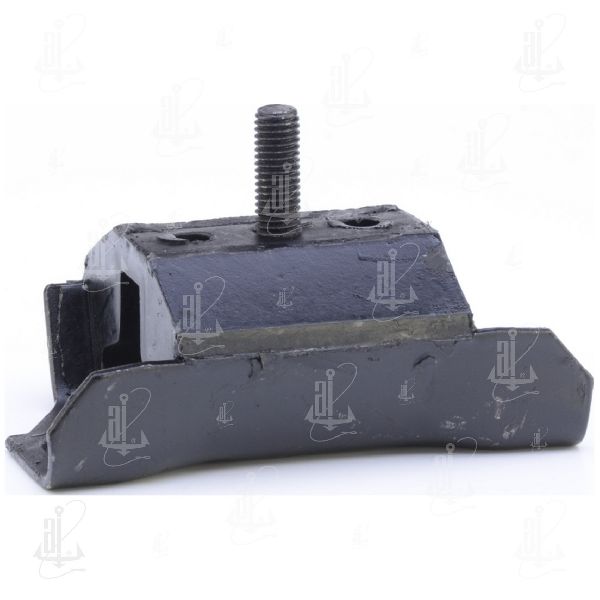
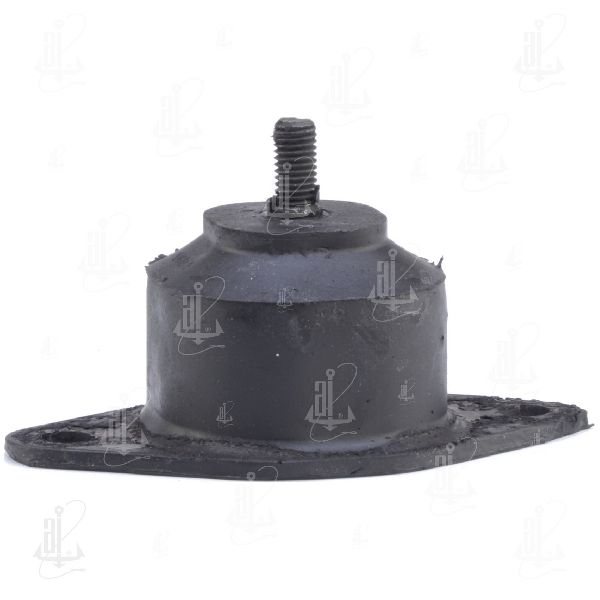
The transmission mount on this generation of GMC truck is a simple but critical part. It's made of a metal bracket with a rubber or polyurethane block that isolates vibration. Over decades, the rubber can crack, get soaked with oil, or simply collapse from age. When it fails, you'll likely notice some distinct problems.
Common Symptoms of a Bad Transmission Mount
- Clunking or Banging Noises: The most common sign is a loud clunk or thud when you shift from park into drive or reverse. You might also hear it during acceleration or braking as the transmission shifts its weight.
- Excessive Vibrations: You may feel a new or increased vibration in the floor, steering wheel, or seat. This can happen at idle or while driving as the worn-out rubber no longer absorbs the transmission's vibrations.
- Drivetrain Movement: A failed mount allows the engine and transmission to move more than they should. A helper can put the truck in gear with the brake held firmly while you safely watch the engine bay to see if the engine lifts or rocks excessively.
A Note on the "Chevy Clunk"
A clunking sound on these trucks can also be caused by worn U-joints, slack in the rear differential, or a worn slip yoke on the driveshaft. While the transmission mount is a common and inexpensive starting point, be sure to inspect the entire driveline if a new mount doesn't solve the noise.
Choosing the Right Aftermarket Mount
For a 1985-1991 C1500, original GM mounts are likely discontinued or very hard to find. The aftermarket offers several options that fall into different categories based on material and quality.
Standard Replacement (Rubber)
These mounts are designed to be direct, OE-style replacements that restore the original ride quality. They use rubber to absorb vibrations.
- Good: Brands like Pioneer are often considered a good balance of quality and price, with some users noting they are hard to tell apart from the original factory mounts.
- Economy: Brands like Anchor and DEA are widely available and very affordable. However, many professional mechanics and DIYers report issues with premature failure, poor fitment, and using a harder rubber that increases vibration. They can be a budget-friendly short-term fix, but may not last.
Performance Upgrade (Polyurethane)
These mounts use a much stiffer polyurethane material instead of rubber. They are designed for heavy-duty or performance use.
- Brands: Prothane and Lakewood are well-known for polyurethane mounts.
- Pros: Polyurethane is extremely durable and resistant to oil and chemicals. It significantly reduces drivetrain movement, which can improve throttle response and put more power to the wheels. Many feature a safety interlock design that prevents total separation even if the material fails.
- Cons: The main drawback is a noticeable increase in noise and vibration inside the cab. If your truck is a comfortable daily driver, a polyurethane mount might make the ride too harsh.
Pro Tip: Check Your Engine Mounts
The engine and transmission mounts work together as a system. A failed transmission mount puts extra stress on the engine mounts, and vice-versa. If you are replacing a completely failed transmission mount, it's a good idea to inspect your two engine mounts for signs of cracking or collapse at the same time.
Replacement Cost
Replacing the transmission mount on a 1985-1991 C1500 is an affordable repair, whether you do it yourself or take it to a shop.
| Part Type | Estimated Cost |
|---|---|
| New Aftermarket Mount | $7.93 - $34.29 |
| Shop Labor | $75 - $150 |
Frequently Asked Questions
Is it hard to replace a C1500 transmission mount?
No, this is a very DIY-friendly job for someone with basic tools. The process involves supporting the transmission with a floor jack and a block of wood, removing three fasteners, swapping the mount, and reinstalling the fasteners. It can typically be done in under an hour.
Should I choose a rubber or polyurethane mount?
For a stock daily driver where comfort is important, a quality rubber mount is the best choice. If you use your truck for towing, hauling heavy loads, or have a high-performance engine, a polyurethane mount will provide better durability and performance, but with more vibration.
Are there any recalls on the transmission mount?
No specific recalls or Technical Service Bulletins (TSBs) were found for the transmission mount itself on the 1985-1991 GMC C1500. A broader transmission recall from 1993 (NHTSA Campaign 93V016000) affected some of these model years but did not pertain to the mount.
What tools are needed for the replacement?
You will need a floor jack, a block of wood, basic wrenches and a socket set (typically 15mm or 5/8"), and potentially a breaker bar for stubborn bolts. Applying penetrating oil to the bolts the night before can make removal much easier.
Technical Specifications
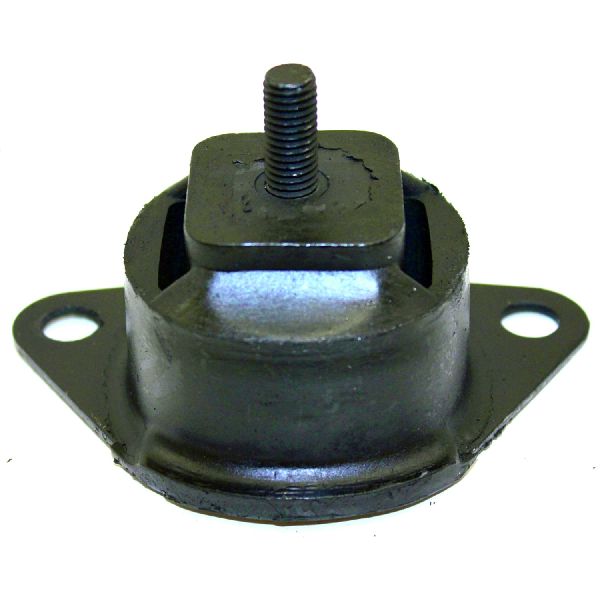
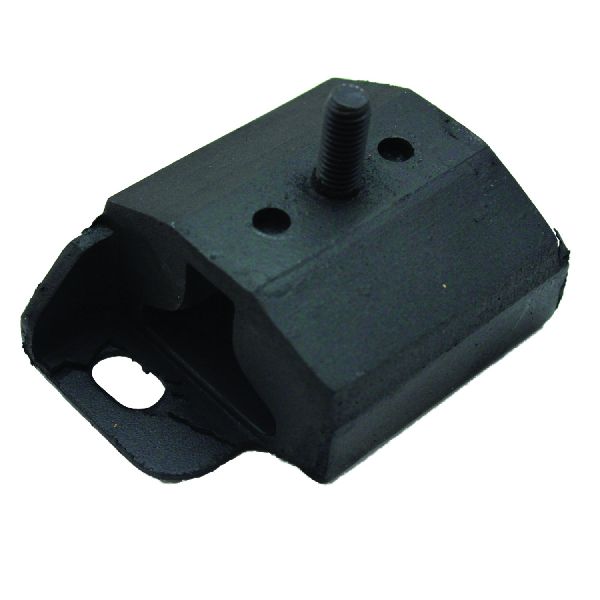
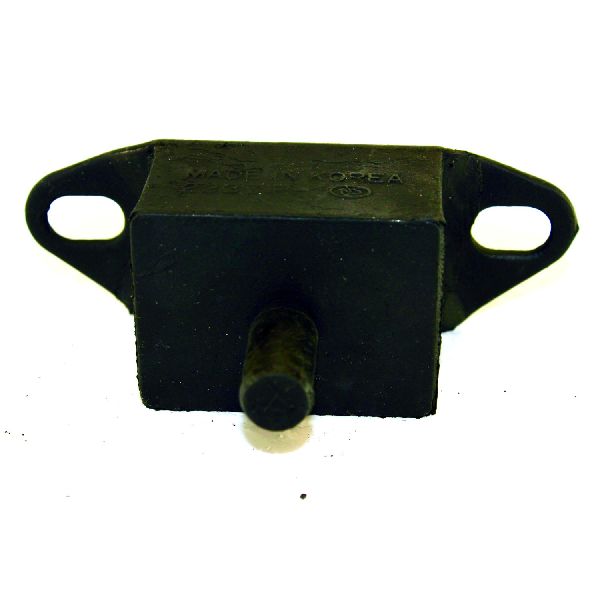
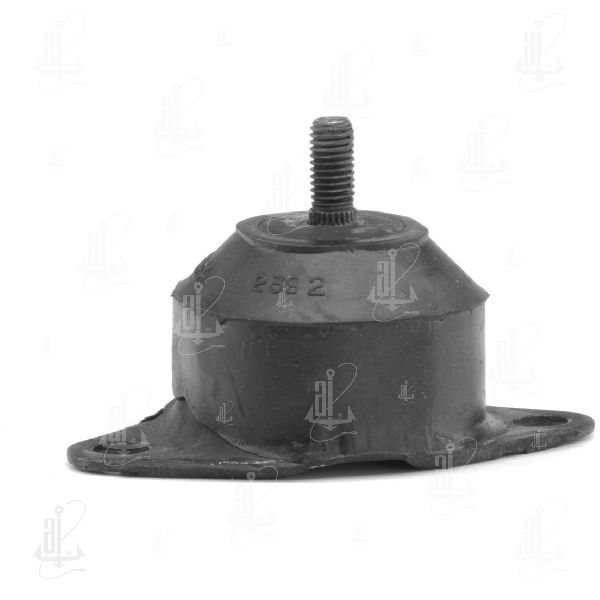
The standard mount for the 1985-1991 GMC C1500 (2WD) is a single-stud design that attaches to the transmission crossmember with one nut and to the transmission tailshaft with two bolts.
We Have This Part in Stock

The information in this article is provided for general reference and educational purposes only. Vehicle specifications, procedures, and part compatibility can vary by production date, trim level, and region. Always consult your vehicle's factory service manual and verify part numbers before purchasing or performing repairs. Safety-critical components such as airbags, seat belts, and braking systems should be installed by a qualified professional.
- GMC C1500:
- 🛍️ Shop This Part
- Is Your C1500's Transmission Mount Failing?
- Common Symptoms of a Bad Transmission Mount
- A Note on the "Chevy Clunk"
- Choosing the Right Aftermarket Mount
- Standard Replacement (Rubber)
- Performance Upgrade (Polyurethane)
- Pro Tip: Check Your Engine Mounts
- Replacement Cost
- Frequently Asked Questions
- 🎟️ Get 5% Off