

1985-1991 GMC Safari Ignition Control Module: A Complete Guide
Diagnose and understand the common failure points of the ignition module in your first-generation Safari van.
- Symptoms like stalling when hot and intermittent no-starts are classic signs of a failing ICM.
- Heat is the primary cause of failure; applying the included thermal paste to the new module is absolutely critical for its survival.
- This is a very DIY-friendly repair that can be done with basic tools in under an hour.
- A failing module can leave you stranded without warning, so it's best to replace it at the first sign of trouble.
Is Your Ignition Module Failing?
The ignition control module (ICM) in the 1985-1991 GMC Safari is a notorious weak point, primarily due to its location inside the hot distributor. Heat is the number one enemy of these modules, causing the internal electronics to break down over time. Failures are often intermittent at first, making them tricky to diagnose. A module might work perfectly when the engine is cold but start causing problems once it warms up, only to work again after cooling down.
Key Failure Symptoms
- Engine Stalls, Especially When Hot: This is the most classic symptom. The van runs fine for a while, then suddenly stalls and refuses to restart until the engine has cooled off for 30 minutes or more.
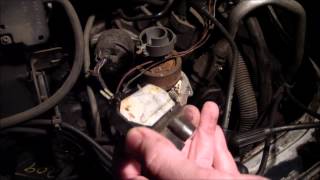
- No-Start or Intermittent No-Start: The engine will crank over but will not fire up because there is no spark being delivered to the plugs. 🎬 See how to diagnose a no-spark condition and swap the module. This can happen randomly or become a permanent condition.
- Engine Misfires and Rough Idle: A failing module can send erratic signals, causing the engine to misfire, run poorly, and idle roughly. You may also notice a loss of power during acceleration.
- Backfiring: Incorrect spark timing can cause fuel to ignite in the exhaust, leading to backfiring.
Choosing the Right Aftermarket Ignition Module
For a vehicle of this age, you'll be choosing from aftermarket parts. While "OEM" brands exist, the quality of modern parts can vary. Here’s a breakdown of the brands available.
Brand Quality Tiers
- Tier 1: OEM-Equivalent (ACDelco, Delphi): ACDelco is GM's own parts division, and Delphi was a long-time GM supplier. In theory, these are your best bet for fit and function. However, forum users note that modern production quality, often from overseas, may not match the original parts from the 1980s. Despite this, they are still the most frequently recommended choice for a reliable replacement.
- Tier 2: Quality Aftermarket (Standard Ignition): Standard Motor Products (SMP), who makes the Standard Ignition brand, is a well-respected aftermarket manufacturer. They are known for producing reliable electronic components that meet or exceed OEM specifications and are a solid choice if an ACDelco or Delphi unit is unavailable or too expensive.
- Tier 3: Performance & Budget (Accel, Store Brands): Accel is a performance-focused brand, which may be overkill for a stock 4.3L V6 but is a recognized name. Store brands with lifetime warranties can be tempting, but some owners report replacing them more frequently.
Replacement Cost
Replacing the ignition module is a relatively inexpensive repair. The parts themselves are affordable, and the labor is straightforward for a mechanic.
| Item | Estimated Cost |
|---|---|
| New Aftermarket Part | $67 - $113 |
| Shop Labor | $75 - $150 |
| Total Estimated Cost | $142 - $263 |
Frequently Asked Questions (FAQ)
Where is the ignition module located on my Safari?
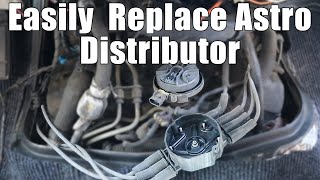
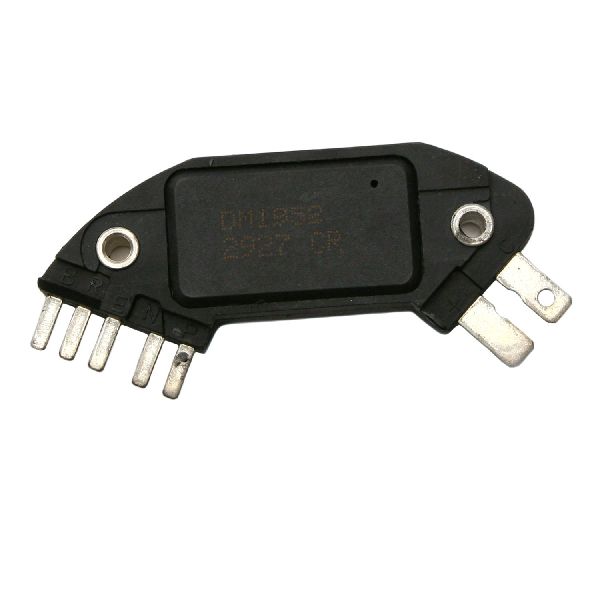
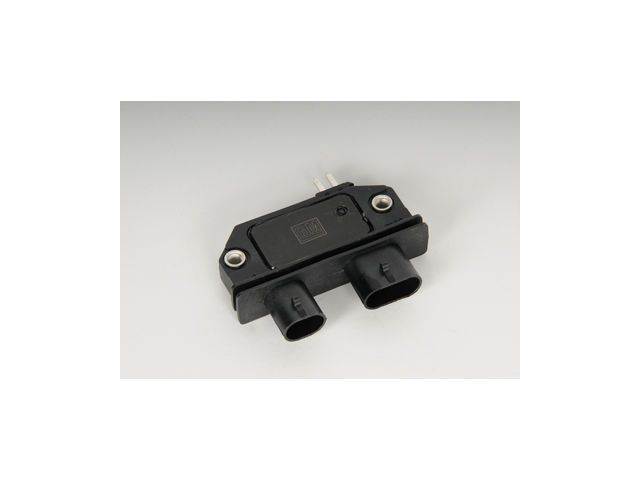
The ignition control module is located inside the distributor. You will need to remove the distributor cap and rotor to access it. 🎬 Watch this walkthrough for accessing and replacing the distributor assembly. It is a small black electronic component held in place by two small screws.
Can I replace the ignition module myself?
Yes, this is a great DIY job for a beginner. It requires basic hand tools, primarily a screwdriver and a 5.5mm socket or wrench. The most important part of the job is remembering to apply the thermal paste to the new module. The entire job can usually be done in under an hour.
🎬 Watch this step-by-step guide to replacing your Safari's ignition module.What is the difference between thermal paste and dielectric grease?
While they may look similar, they have different purposes. Thermal paste (the white compound included with the module) is designed to conduct heat away from the module. Dielectric grease is an insulator used on electrical connectors to keep out moisture and prevent corrosion. Do not use dielectric grease on the bottom of the module; use only the specified thermal compound.
Are there any recalls for the GMC Safari ignition module?
No, there are no specific recalls or Technical Service Bulletins (TSBs) from the NHTSA for the ignition control module on the 1985-1991 GMC Safari. A major GM recall for ignition *switches* affected much newer vehicles and is an unrelated issue.
Helpful Videos

Technical Specifications
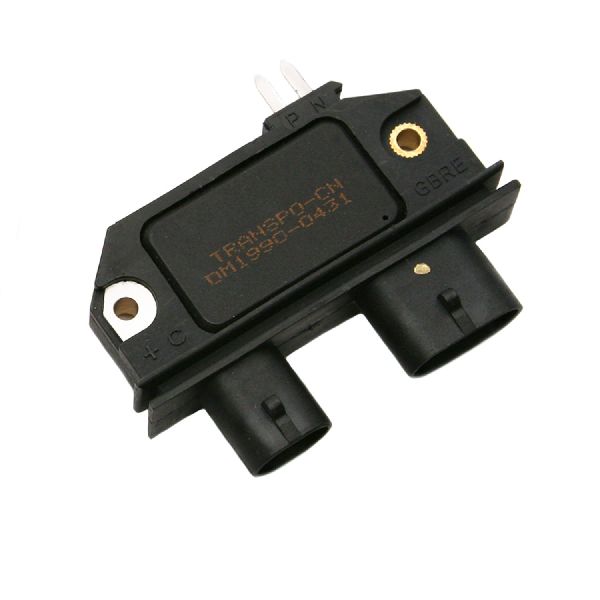
OEM Part Numbers: 10482823 19179578 D1943A
Located inside the distributor assembly. Requires thermal compound for heat dissipation.
We Have This Part in Stock


The information in this article is provided for general reference and educational purposes only. Vehicle specifications, procedures, and part compatibility can vary by production date, trim level, and region. Always consult your vehicle's factory service manual and verify part numbers before purchasing or performing repairs. Safety-critical components such as airbags, seat belts, and braking systems should be installed by a qualified professional.
- GMC Safari: