

Chrysler Imperial Alternator: A Guide for 1985-1993 Models
Everything you need to know about choosing and replacing the alternator on your 1985-1993 Chrysler Imperial.
- Symptoms often appear as electrical issues like dimming lights or a dead battery before total failure.
- Verify your required amperage (e.g., 90A or 120A) before purchasing a replacement to avoid issues.
- No specific recalls or TSBs exist for the alternator on this model; failures are typically due to age and wear.
- For models around 1981-1983, check for oil leaks from A/C lines above the alternator, as this is a known cause of failure.
Is Your Imperial's Alternator Failing?
An alternator doesn't usually fail without warning. For the 1985-1993 Chrysler Imperial, the signs are often tied to electrical performance. As the alternator weakens, it produces less power, and your car's computer has to start rationing electricity. This can lead to a variety of strange issues.
Common Symptoms of a Bad Alternator:
- Dimming or Flickering Lights: You might notice the headlights or dashboard lights dimming, especially at idle, and then brightening as you rev the engine. This is a classic sign the alternator is struggling to produce consistent voltage.
- Battery Warning Light: A battery-shaped light on your dashboard indicates a problem within the charging system. It means the alternator's output has dropped below a certain level.
- Slow or Malfunctioning Accessories: Power windows that are slow to operate, a radio that cuts out, or climate control issues can all point to the alternator not providing enough power.
- Frequently Dead Battery: If you find yourself needing to jump-start your Imperial often, the alternator is likely not recharging the battery as it should. A bad alternator can quickly ruin a brand-new battery.
- Whining or Grinding Noises: Unusual noises from the engine bay can indicate failing bearings inside the alternator.
A Note on Leaks for 1981-1983 Models
While slightly outside the main year range, owners of early 80s Imperials should be aware of a specific issue. A leaking A/C hose connection located just above the alternator can drip oil onto the alternator's brushes, severely impacting its output. It's a good idea to check this area for any signs of oily residue.
OEM vs. Aftermarket Alternators
For a vehicle from this era, the distinction between Original Equipment (OEM) and aftermarket parts is less about advanced technology and more about build quality and price. A new OEM Mopar alternator, if you can find one, will be costly. Aftermarket brands offer a wide range of quality and price points. High-quality aftermarket brands like Bosch, ACDelco, and Remy often meet or exceed the original specifications. Given the age of the 1985-1993 Imperial, a quality new or remanufactured aftermarket alternator is a very practical and reliable choice.
Choosing the Right Aftermarket Alternator
When shopping for a replacement, you'll see options from various brands. They generally fall into tiers:
- Premium Brands (e.g., Bosch, ACDelco, Remy): These are often top-tier choices known for reliability and build quality. They are a safe bet for a long-lasting repair.
- Quality Mid-Range (e.g., WAI Global, MPA, BBB Industries): These brands provide a good balance of price and performance. They are a popular choice for daily drivers.
- High-Output Options (e.g., Powermaster): If you have added significant electrical accessories like a powerful stereo system, a high-output alternator can provide the extra amperage needed to prevent electrical issues. These are brand new units and typically do not require a core charge.
Check the Amperage: Make sure the replacement alternator has an amperage rating equal to or greater than your original unit. For the 1990-1993 models, common ratings were 90 amps and 120 amps. Installing an underpowered alternator will lead to poor performance and premature failure.
Known Issues, Recalls, and Service Bulletins
There are no specific alternator-related recalls or Technical Service Bulletins (TSBs) from the NHTSA for the 1985-1993 Chrysler Imperial. Any recalls you may find for Chrysler alternators apply to much newer vehicles and do not affect this generation of Imperial. The most common issues are simply related to age and wear, such as worn internal brushes, which can sometimes be replaced without removing the alternator from the car.
Cost of Replacing a Chrysler Imperial Alternator
| Part Type | Estimated Cost |
|---|---|
| New Aftermarket Alternator | $110 - $450 |
| Shop Labor | $100 - $200 |
| Total Estimated Cost | $210 - $650 |
Frequently Asked Questions
How do I know if it's the alternator or the battery?
A simple test is to jump-start the car. If it starts and runs but dies as soon as you disconnect the jumper cables, the alternator is the likely culprit. If the car won't start at all even with a jump, or just clicks, the problem might be something else. A definitive test is to check the voltage across the battery terminals with the engine running; it should be between 13.5 and 14.5 volts. If it's closer to 12 volts or less, the alternator isn't charging.
How difficult is it to replace the alternator on a 1985-1993 Imperial?
For a DIYer with some experience, it's a manageable job. It typically involves disconnecting the battery, loosening the drive belt, removing electrical connections, and unbolting the alternator. On some models, like the 1990 with a 3.3L engine, the alternator is removed from the bottom of the car. Always disconnect the negative battery cable before starting work.
What does the amperage (e.g., 90A, 120A) mean?
Amperage (A) is the measure of electrical current the alternator can produce. You must choose a replacement with at least the same amperage as the original. Using a lower-amp unit will cause dimming lights and will ultimately lead to the new alternator failing. Higher amperage is fine and is necessary if you've added electronics like amplifiers or extra lighting.
What is a core charge?
Many replacement alternators are remanufactured. A core charge is a deposit you pay that is refunded when you return your old, failed alternator. This allows the manufacturer to rebuild it. Brands that sell 100% new units, like some high-output options, typically do not have a core charge.
Technical Specifications
OEM Part Numbers: 5234032
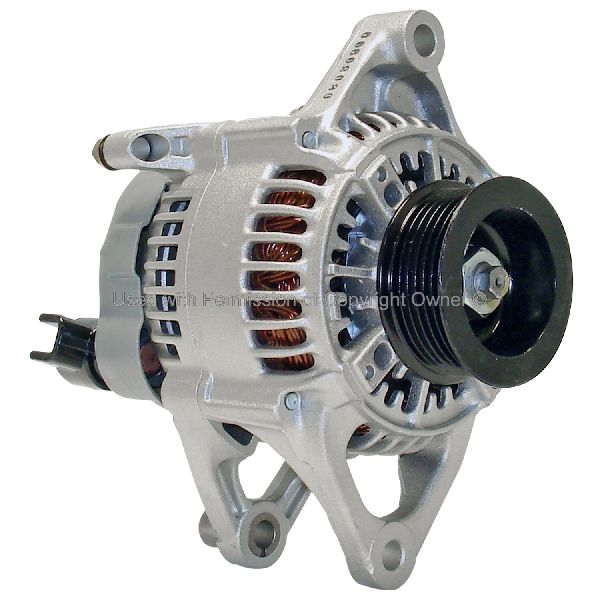
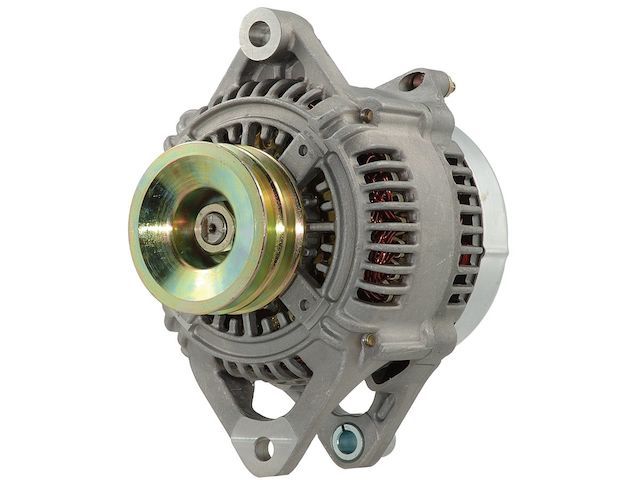
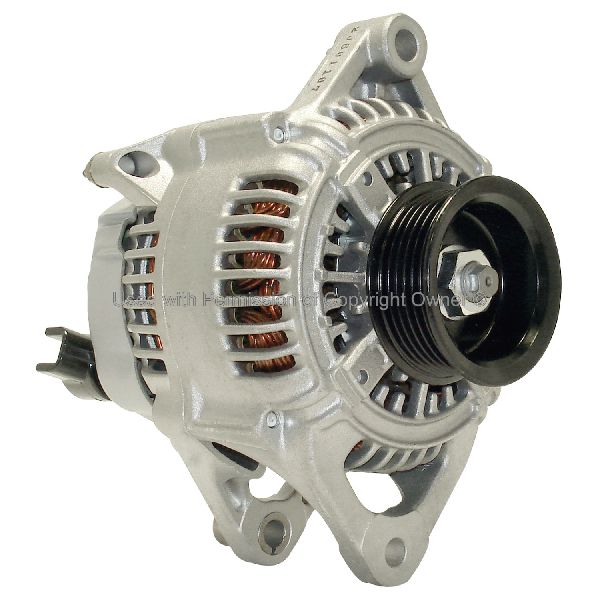
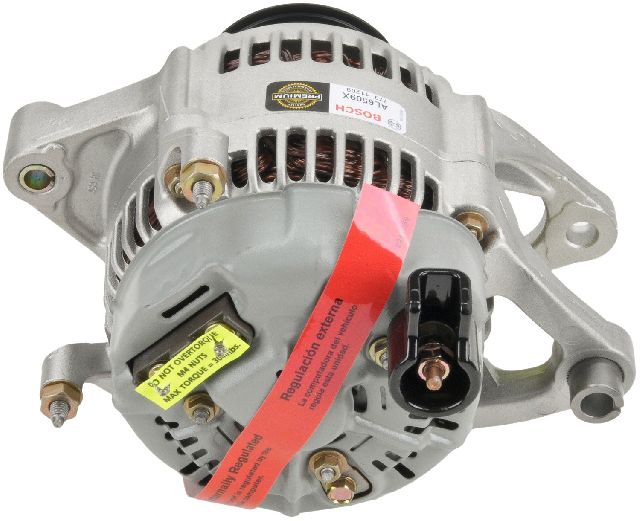
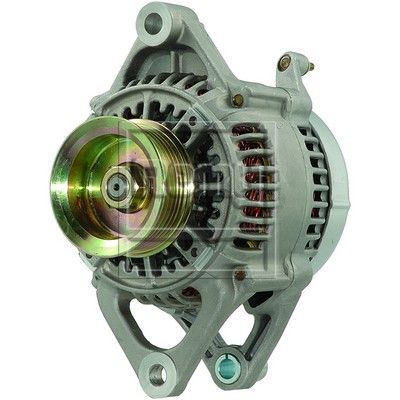
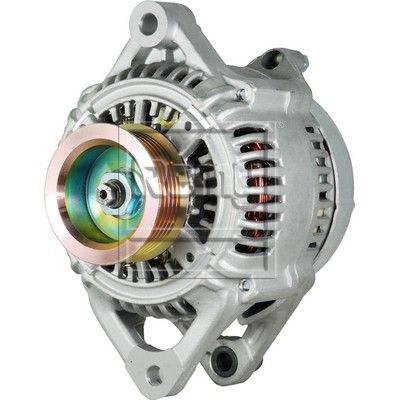
Amperage ratings vary, with 90A and 120A being common for 1990-1993 models. Most use an internal fan and an external voltage regulator. Pulley types can be 1-groove V-belt, 2-groove V-belt, or a 6-groove serpentine pulley depending on the year and engine.
We Have This Part in Stock

The information in this article is provided for general reference and educational purposes only. Vehicle specifications, procedures, and part compatibility can vary by production date, trim level, and region. Always consult your vehicle's factory service manual and verify part numbers before purchasing or performing repairs. Safety-critical components such as airbags, seat belts, and braking systems should be installed by a qualified professional.
- Chrysler Imperial:
- 🛍️ Shop This Part
- Is Your Imperial's Alternator Failing?
- Common Symptoms of a Bad Alternator:
- A Note on Leaks for 1981-1983 Models
- OEM vs. Aftermarket Alternators
- Choosing the Right Aftermarket Alternator
- Known Issues, Recalls, and Service Bulletins
- Cost of Replacing a Chrysler Imperial Alternator
- Frequently Asked Questions
- 🎟️ Get 5% Off