

Engine Coolant Thermostat Guide for the 1985-1993 Chrysler Imperial
Keep your Imperial's V6 engine at the perfect temperature by understanding and choosing the right thermostat.
- For 1990-1993 models, use a 192°F or 195°F thermostat for proper engine operation.
- A thermostat stuck closed will cause rapid overheating; pull over immediately.
- A thermostat stuck open will cause the engine to warm up slowly and the heater to blow cool air.
- Always replace the gasket when replacing the thermostat to prevent leaks.
Is Your Imperial's Thermostat Failing?
A bad thermostat can cause problems that seem serious, but it's often a simple fix. The part can fail in two ways: stuck open or stuck closed. Each has its own set of symptoms.
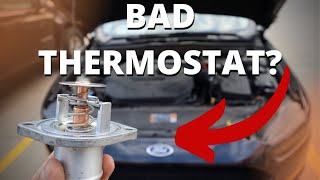
🎬 Watch this video to identify common symptoms of thermostat failure.Stuck Open: When the thermostat is stuck open, coolant flows to the radiator constantly. This makes it very difficult for the engine to warm up to its proper operating temperature, especially in colder weather.
- Engine takes a very long time to warm up.
- Heater blows lukewarm or cool air, even when the engine has been running.
- Check Engine Light may come on with a code like P0128 (Coolant Temperature Below Thermostat Regulating Temperature).
- You might notice worse fuel economy because the engine is running too cool.
Stuck Closed: This is the more serious failure. A thermostat stuck closed prevents coolant from ever reaching the radiator. The engine will quickly and dangerously overheat.
- Temperature gauge climbs rapidly into the red or “H” zone.
- Steam or strange gurgling noises coming from the engine area.
- Coolant may boil and leak from the reservoir or thermostat housing due to excess pressure.
Critical Warning
If your temperature gauge is in the red, pull over immediately and shut off the engine to prevent catastrophic damage like a warped cylinder head or blown head gasket.
Choosing the Right Aftermarket Thermostat
For a vehicle like the 1985-1993 Imperial, finding an original Mopar thermostat is nearly impossible. Thankfully, the aftermarket provides many good options. The most important factor for the 1990-1993 models with the 3.3L or 3.8L V6 is to get a thermostat with the correct OE-specified temperature, which is typically 192°F or 195°F. Using a lower temperature thermostat can hurt performance and efficiency.
Brand Quality Tiers
Not all aftermarket parts are created equal. Here’s a breakdown of the brands available for your Imperial:
- Premium Quality (Recommended): Brands like Gates and Calorstat are well-regarded in the industry. Gates is a major OEM supplier for many components, and their thermostats are known for reliability. Calorstat by Vernet is another high-quality option. These are your best bet for a fit-and-forget repair.
- Performance Option: Mishimoto specializes in performance cooling. While likely a high-quality part, it may be overkill for a stock Imperial unless you are having specific cooling issues in a hot climate. Their thermostats might offer different temperature ratings, so ensure you select the stock temperature for normal use.
- Standard / Budget-Friendly: Motorad is a very common aftermarket brand that produces thermostats for many other companies (a practice called white-labeling). They are generally considered a standard, acceptable replacement and are widely available. Some mechanics prefer to stick with premium brands, but a Motorad thermostat will get the job done. Many also offer a "Fail-Safe" design, which is engineered to lock in the open position if it fails, preventing a dangerous overheat situation.
Pro Tip: Always Replace the Gasket
Never reuse the old thermostat gasket or O-ring. A new thermostat should always come with a new gasket. Applying it without a proper seal is a guaranteed recipe for a coolant leak.
Known Issues, Recalls, and TSBs
For a vehicle of this age, specific cooling system TSBs or recalls are rare and historical. The most significant recall for the 1990-1993 Imperial platform was for the Bendix-10 anti-lock brake system (Recall 96V099000). While not directly related to the thermostat, it's a known issue for these cars. Forum discussions among owners of older Chrysler vehicles primarily point to standard cooling system maintenance—like replacing the radiator, water pump, and thermostat as they age—as the key to preventing overheating, rather than a specific design flaw with the thermostat itself. Electrical issues are a more common complaint for these models than cooling system problems.
Frequently Asked Questions (FAQ)
What temperature thermostat should I use for my Imperial?
For 1990-1993 models with the 3.3L or 3.8L V6, you should use the OE specified temperature, which is typically 192°F or 195°F. Using a cooler thermostat (e.g., 160°F or 180°F) will cause the engine to run too cool, hurting fuel economy and performance.
Is a "fail-safe" thermostat a good idea?
Yes, for many owners it provides peace of mind. A fail-safe thermostat, like those offered by Motorad, is designed to lock in the open position if it fails. This prevents a catastrophic overheating situation and instead produces the less-damaging "stuck open" symptoms, giving you plenty of warning to get it fixed without risking engine damage.
Do I need to replace the thermostat housing?
Usually, no. You should only replace the thermostat housing if it is cracked, corroded, or if the sealing surface is badly pitted and cannot be cleaned to ensure a good seal. Aftermarket housings are available if needed.
Can I replace the thermostat myself?
Yes, this is a very DIY-friendly job for most people with basic tools. The thermostat is typically located where the upper radiator hose connects to the engine. The process involves draining some coolant, unbolting the housing, swapping the thermostat and gasket, and reassembling. It's a good idea to have a drain pan and some extra coolant on hand.
Helpful Videos
Technical Specifications
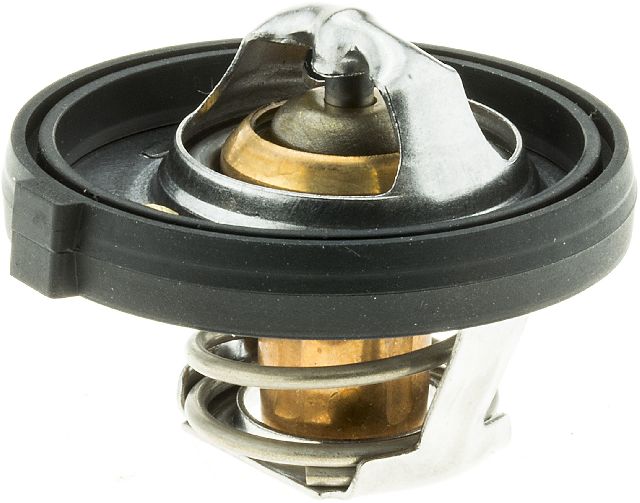
OEM Part Numbers: 4494470 4105768
The 1990-1993 Chrysler Imperial with the 3.3L or 3.8L V6 engine requires a thermostat with an OE specified temperature of 192°F or 195°F. The earlier 1985-1987 models used different engines and may have different requirements.
We Have This Part in Stock


The information in this article is provided for general reference and educational purposes only. Vehicle specifications, procedures, and part compatibility can vary by production date, trim level, and region. Always consult your vehicle's factory service manual and verify part numbers before purchasing or performing repairs. Safety-critical components such as airbags, seat belts, and braking systems should be installed by a qualified professional.
- Chrysler Imperial: