

Dodge W150 Engine Oil Pressure Switch: A Guide for 1985-1993 Owners
Is your oil pressure gauge acting strange? It's a common problem with a simple fix.
- A faulty oil pressure gauge is most often caused by a bad sending unit, not a bad engine.
- The switch is located at the top rear of the engine near the distributor and is easy to replace.
- Quality aftermarket brands like Standard Ignition are a reliable choice for this repair.
- Before panicking, listen for engine noise. If it's quiet, the sensor is the likely culprit.
Understanding the Oil Pressure Switch on Your Dodge W150
If you own a first-generation Dodge Ram W150, you know they are tough trucks. However, after 30+ years, some parts are bound to wear out. The oil pressure sending unit is one of the most common parts to fail on these V8 and Slant 6 engines. When it fails, it can cause a lot of worry, making you think you have a major engine problem. The good news is that it's often just this inexpensive sensor giving a false reading. This guide will help you identify the symptoms and choose the best aftermarket replacement.
Symptoms of a Failing Oil Pressure Switch
A bad oil pressure switch on your W150 will give you very specific, and often alarming, dashboard symptoms. Since these trucks were built before modern computer systems, you won't get a check engine light code. You have to rely on your gauges.
- Erratic Gauge Readings: The most common symptom is the oil pressure gauge needle bouncing around, dropping to zero, or pegging at maximum for no reason.
- Gauge Drops to Zero at Idle: Many owners report that the gauge reads fine while driving but drops to zero and triggers the warning light when they come to a stop.
- No Gauge Reading: The switch can fail completely, resulting in the gauge not moving at all when you start the truck.
- Oil Leak: The switch itself can develop a leak over time. You may see oil seeping from the sensor or its electrical connector. 🎬 See how a leaking sensor can cause a massive mess.
Is it the Switch or the Engine?
If your oil pressure gauge suddenly drops to zero, listen to your engine. If the engine is not making any new ticking, clattering, or knocking noises, the problem is very likely a bad sending unit, not a lack of oil pressure. However, to be certain, it's always best to verify the actual pressure with a mechanical gauge.
🎬 Watch this video to see how to fix erratic gauge readings.Choosing the Right Aftermarket Part
For a vehicle of this age, finding a new OEM Mopar part can be difficult and expensive. The aftermarket is the go-to source for this repair. Quality varies by brand, so it's important to choose wisely.
| Brand Tier | Brands | General Assessment |
|---|---|---|
| Premium Aftermarket | Standard Ignition (SMP) | Often considered a top-tier aftermarket choice, trusted by professional mechanics. They emphasize quality control and robust materials designed to meet or exceed OE specs. A reliable choice for longevity. |
| Quality Aftermarket | Crown Automotive, Rostra Powertrain | Crown specializes in Mopar vehicles and is a good alternative when OEM parts are unavailable, generally considered a step above basic parts. Rostra is a certified OEM supplier for some parts and is well-regarded for sensors, though more known for transmission components. |
| Value / Economy | Global Parts | These are typically the most affordable options. They will get the job done, but may not have the same long-term durability or precise calibration as premium brands. A viable option for a budget-conscious repair. |
Installation Tips
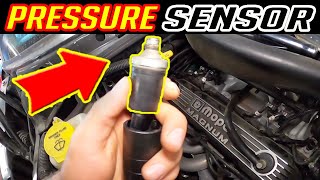
Location: The oil pressure switch on the V8 engines (5.2L/318, 5.9L/360) is located at the very back of the engine block, on the top side, near the distributor. It can be a bit tight to reach but requires no major disassembly.
Tools: You will need a special oil pressure switch socket or a deep-well socket of the correct size to remove and install the switch. Applying a small amount of thread sealant to the new switch's threads is a good practice to prevent leaks, but avoid getting any on the very tip of the sensor or the electrical contacts.
Frequently Asked Questions (FAQ)
Are there any recalls for the W150 oil pressure switch?
No. Searches of the National Highway Traffic Safety Administration (NHTSA) database show no recalls or widespread safety campaigns for the oil pressure switch on 1985-1993 Dodge W150 trucks. Failures are due to the age and normal wear of the part.
Can I replace the oil pressure switch myself?
Yes, this is a very DIY-friendly job for most home mechanics. The part is accessible at the top rear of the engine and the process is straightforward: disconnect the wire, unscrew the old switch, screw in the new one, and reconnect the wire. It should take less than an hour.
🎬 Watch: Step-by-step guide to replacing the sensor on a V8.Why does my new aftermarket switch fail after a few months?
While this can be due to a poor quality part, one forum user suggested checking the engine's ground connection. A bad or intermittent ground can potentially damage sensors over time. If you have repeat failures, ensure your engine-to-chassis ground straps are clean and secure.
Should I use Teflon tape on the new switch?
Many new switches come with thread sealant already applied. If yours does not, you can use a small amount of automotive-grade thread sealant or Teflon tape. Use it sparingly and do not cover the first one or two threads to ensure the switch makes a good electrical ground with the engine block, which is necessary for it to function correctly.
Helpful Videos
Technical Specifications
OEM Part Numbers: 53030493AB
Location: Top rear of engine block, near distributor. Thread Size: 1/8 NPT (Verify for specific application)
We Have This Part in Stock

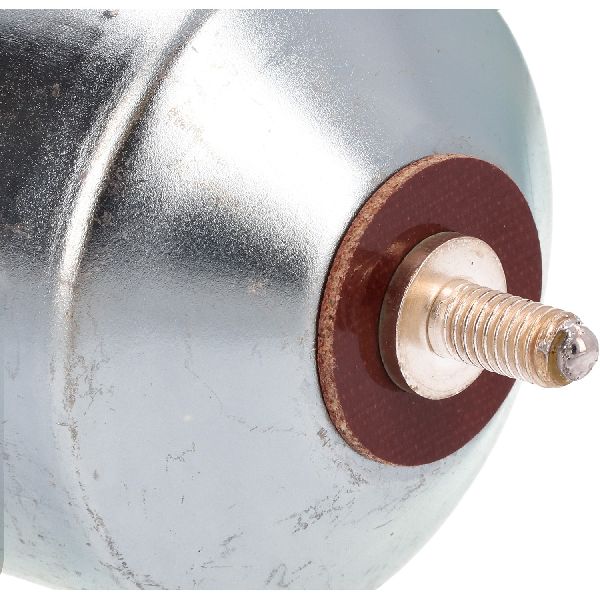

The information in this article is provided for general reference and educational purposes only. Vehicle specifications, procedures, and part compatibility can vary by production date, trim level, and region. Always consult your vehicle's factory service manual and verify part numbers before purchasing or performing repairs. Safety-critical components such as airbags, seat belts, and braking systems should be installed by a qualified professional.
- Dodge W150: