

Ford E-250 Econoline Fuel Injection Pressure Regulator Guide (1985-1993)
Solving stalling, hard starts, and rich running issues on your 1985-1993 Ford E-250 Econoline starts with the fuel pressure regulator.
- A definitive test is to pull the vacuum line from the regulator; if fuel is present, the regulator is bad.
- Symptoms like black smoke, hard starting, and stalling are strongly linked to regulator failure on these vans.
- Choose a quality aftermarket brand like Delphi or Standard for a reliable, long-lasting repair.
- Replacement is a manageable DIY job, but requires safely depressurizing the fuel system first.
Is Your Fuel Pressure Regulator Failing?
For this generation of Econoline vans, the fuel pressure regulator is a common failure point that can cause a range of frustrating engine problems. The internal diaphragm, a flexible rubber disc, is the usual culprit. Over time, it can tear or rupture, leading to specific and noticeable symptoms.
Key Symptoms of a Bad Regulator:
- Black Smoke & Fuel Smell: If the diaphragm tears, raw fuel can get sucked through the vacuum hose directly into the engine's intake. This causes a rich condition, leading to black smoke from the exhaust, a strong smell of gasoline, and terrible fuel economy.
- Hard Starting, Especially When Warm: A bad regulator can fail to hold pressure in the fuel rail after you shut the van off. Fuel drains back to the tank, and the system has to re-pressurize every time you start, resulting in long crank times.
- Hesitation or Stalling: If the regulator gets stuck, it can cause incorrect fuel pressure. Too little pressure starves the engine for fuel, causing it to hesitate, lose power, or stall during acceleration.
- Fuel in the Vacuum Line: This is the smoking gun. Pull the small vacuum hose off the regulator. If you see or smell raw fuel, the diaphragm has failed and the regulator must be replaced.
Known Issues for 1985-1987 Models
There was a recall (NHTSA ID: 87V111000) for some 1985-1987 E-250 models with the 5.8L engine concerning excessive fuel system pressures in heavy-duty use. This could cause fuel to be expelled from the filler cap. While not a direct failure of the regulator, it highlights the importance of a properly functioning fuel pressure system in these vans.
Choosing the Right Aftermarket Regulator
You don't need to hunt down an expensive and likely discontinued OEM part from Ford. Quality aftermarket brands offer reliable replacements. For a part this critical, avoid the cheapest option, as poor-quality diaphragms can fail quickly. Aftermarket parts for your Econoline are readily available and offer good value.
Brand Tiers:
- Premium Aftermarket (Delphi): Delphi is a well-respected brand, often an original equipment manufacturer for many car companies. Their regulators are known for quality materials and durability, making them a top choice for reliability.
- Quality Aftermarket (Standard Ignition, Walker Products): Both Standard and Walker are long-standing, reputable brands in the aftermarket. They provide a good balance of quality and cost. Standard Motor Products (SMP) sometimes offers a lower-cost "T-series" line; for a critical part like this, sticking to their main line is recommended.
- Budget (True Tech): This is typically a store or economy brand. While it will work, the internal components may not have the same longevity as premium brands. It's a viable option if the budget is the primary concern, but be aware of the potential for a shorter service life.
Estimated Costs
| Part Type | Estimated Cost |
|---|---|
| New Aftermarket Part | $51.19 - $103.06 |
| Shop Labor | $100 - $180 |
| Total Professional Replacement | $151 - $283 |
Costs are estimates and can vary based on your location, the specific part chosen, and your vehicle's condition.
Pro Tip: Check Before You Buy
Before ordering a new part, perform the simple check: find the regulator on your fuel rail, start the engine, and carefully pull off the vacuum line. If fuel drips out, you've confirmed the problem. This five-minute check can save you from replacing the wrong part.
Frequently Asked Questions
Can I replace the fuel pressure regulator myself?
Yes, this is a DIY-friendly job for someone with basic mechanical skills. The key steps are depressurizing the fuel system, removing the vacuum line, and unbolting the old regulator (usually with Allen wrenches). The main challenges are safely handling gasoline and potentially tight access at the back of the engine.
What happens if I don't replace a bad fuel pressure regulator?
Ignoring a bad regulator can lead to more serious problems. A rich condition can damage your catalytic converter and foul spark plugs. A lean condition can cause engine hesitation and stalling, which is a safety risk. A significant fuel leak from a ruptured diaphragm also presents a fire hazard.
Is there a difference between OEM and aftermarket for this part?
For a vehicle of this age, a quality aftermarket part from a brand like Delphi or Standard is an excellent choice and may even be made with more modern materials resistant to today's fuels. An OEM part from Ford would be difficult to find and unnecessarily expensive. The key is to choose a reputable aftermarket brand over a generic, no-name part.
My van is hard to start but there's no fuel in the vacuum line. Could it still be the regulator?
Yes. The regulator can also fail by not holding pressure, even if the diaphragm isn't torn. This causes the fuel to drain back to the tank when the engine is off. A fuel pressure test is the best way to diagnose this: a mechanic will hook a gauge to the fuel rail and check that the pressure holds steady after the engine is turned off.
Technical Specifications
OEM Part Numbers: E63Z-9C968-A E6AZ-9C968-A F0PZ-9C968-A
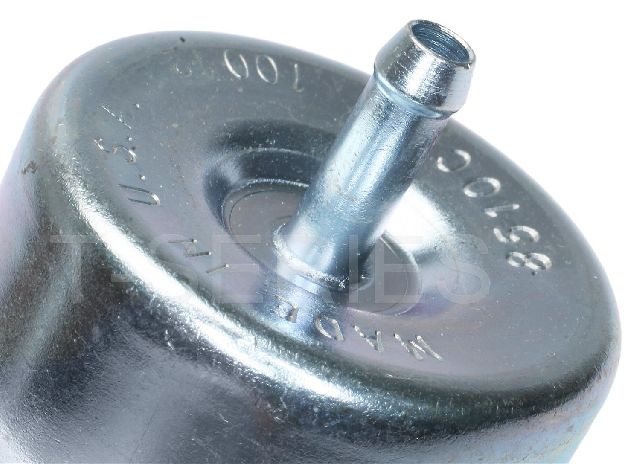
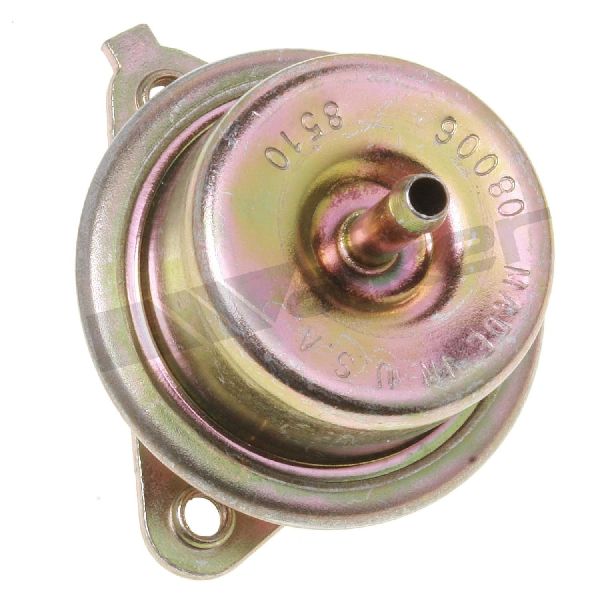
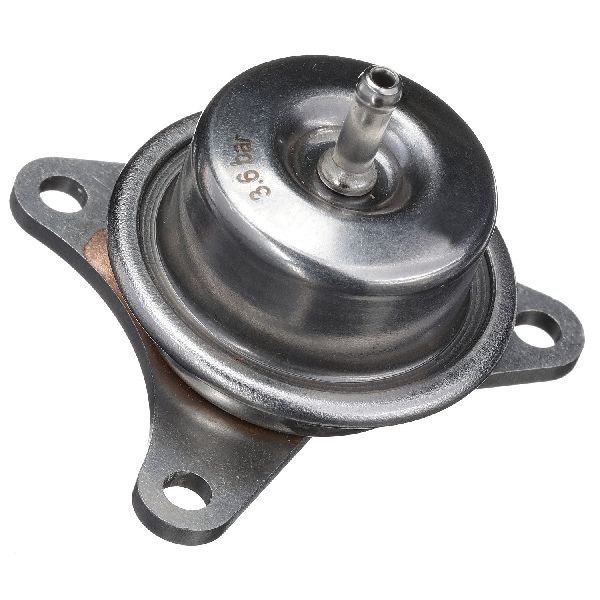
Vacuum-actuated; mounts to the fuel rail.
We Have This Part in Stock


The information in this article is provided for general reference and educational purposes only. Vehicle specifications, procedures, and part compatibility can vary by production date, trim level, and region. Always consult your vehicle's factory service manual and verify part numbers before purchasing or performing repairs. Safety-critical components such as airbags, seat belts, and braking systems should be installed by a qualified professional.
- Ford E-250 Econoline: