

Saab 900 Engine Coolant Temperature Sensor Guide for 1985-1993 Models
Fixing poor fuel economy and rough running in your classic Saab 900 often starts with this critical sensor.
- Verify you are replacing the two-wire ECU sensor on the intake manifold, not the one-wire gauge sender.
- A bad sensor's main symptoms are poor fuel economy, black smoke, and rough running.
- Replacement is simple, DIY-friendly, and can be done in under an hour with basic tools.
- For this critical part, choosing a reputable aftermarket brand or OEM is worth the small extra cost over budget options.
ECU Sensor vs. Gauge Sender: A Common Mistake
Your 1985-1993 Saab 900 has two sensors that measure coolant temperature. It is critical to know which one you are replacing. This guide focuses on the sensor for the engine computer (ECU).
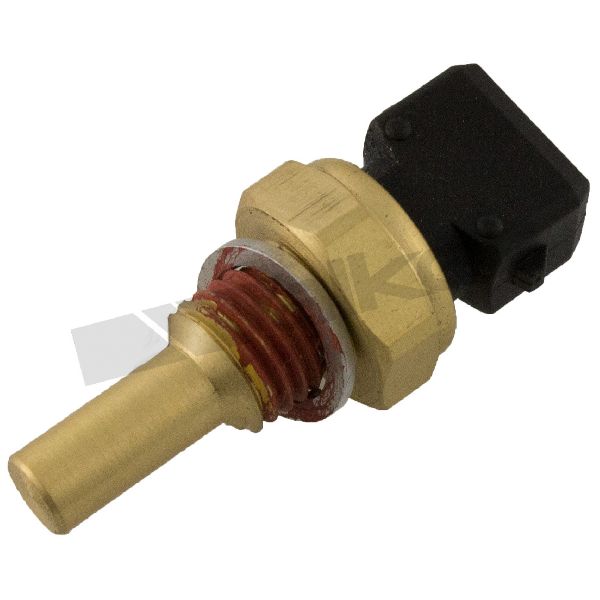
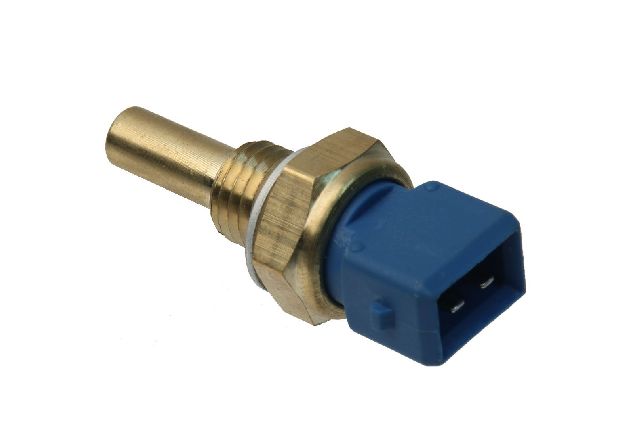
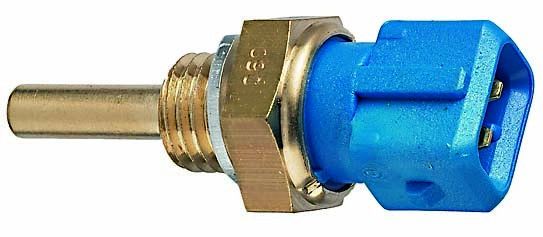
- Engine Coolant Temperature (ECT) Sensor: This is for the fuel injection computer. It has a two-pin electrical connector and is located on the intake manifold. A failure here affects how the engine runs.
- Temperature Gauge Sender: This is for the gauge on your dashboard. It is a smaller, single-wire sensor, often located near the thermostat housing. A failure here only affects the gauge reading.
Before ordering, confirm you are replacing the two-wire sensor that controls engine functions, not the single-wire sensor for the dash gauge.
Symptoms of a Failing ECT Sensor
When the ECT sensor fails, it usually sends a false signal to the computer that the engine is always cold. This causes the computer to permanently enrich the fuel mixture, leading to several noticeable problems:
- Poor Fuel Economy: Your gas mileage will drop significantly because the engine is constantly running rich.
- Black Smoke from Exhaust: Unburned fuel from the rich mixture gets burned in the hot exhaust, creating black smoke.
- Rough Idle or Stalling: The incorrect air-fuel ratio can make the engine run poorly, especially at idle. 🎬 Learn how to fix high idle and vacuum leak issues
- Hard Starting: The engine may be difficult to start, whether it is hot or cold.
- Check Engine Light: While less common on these older cars, a faulty sensor can sometimes trigger a warning light.
Choosing the Right Aftermarket Sensor
For a critical component like the ECT sensor, quality and accuracy matter. While many aftermarket options are available, they can be grouped into different tiers.
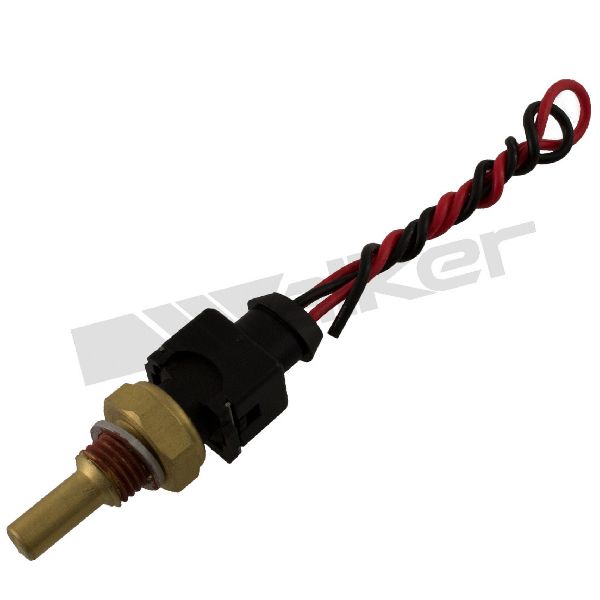
The original sensor was likely made by Bosch, which supplied the fuel injection system. If a Bosch-branded sensor is available, it is often a reliable choice. Pay close attention to the electrical connector in product photos to ensure it matches your car's harness, as there can be variations between fuel system versions (LH 2.2 vs. LH 2.4).
- Premium Brands: These are often the original equipment manufacturer (OEM) or a brand with a long history of quality, like Bosch. They offer the best fit and accuracy but come at a higher price.
- Reputable Aftermarket (e.g., Facet, Standard Ignition, URO Parts): These brands aim to provide a balance of quality and value. Brands like URO Parts specialize in components for classic European cars and are a common choice. For this part, they are generally considered a reliable and affordable option.
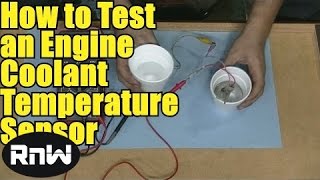
- Value Brands (e.g., True Tech, Global Parts): These are typically the most affordable. While tempting, the quality control can be inconsistent for sensors. An inaccurate sensor, even a new one, can cause the same running issues as a failed one. 🎬 Watch: How to test an engine coolant sensor with a multimeter Given the low overall cost of this part, stepping up to a more reputable brand is often worth the small price difference.
| Item | Estimated Cost |
|---|---|
| New Aftermarket Sensor | $10 - $40 |
| New OEM / Premium Sensor | $40 - $80 |
| Shop Labor | $100 - $150 |
Frequently Asked Questions
Which temperature sensor do I need for my Saab 900?
If your engine is running poorly, you likely need the two-wire Engine Coolant Temperature (ECT) sensor for the ECU, located on the intake manifold. If only your dashboard gauge is faulty, you need the single-wire sender. Always verify the part by looking at what is currently on your engine.
How difficult is it to replace the ECT sensor?
This is a very simple job for a DIY mechanic. It requires basic hand tools, primarily a deep socket or wrench to unscrew the old sensor. The main challenge is being prepared to swap the new sensor in quickly to minimize coolant loss. 🎬 See this walkthrough of a temperature sensor and valve swap The engine must be cool before you begin.
Can I drive my Saab with a bad coolant temperature sensor?
Yes, but it is not recommended for long. The car will run, but it will perform poorly, get terrible gas mileage, and the rich fuel mixture can, over time, damage your catalytic converter and foul your spark plugs.
What happens if I ignore a bad ECT sensor?
Ignoring it will lead to wasted fuel, increased emissions, and potential long-term harm to other components. You may also experience frustrating issues like stalling and hard starts. Since the part is inexpensive and easy to replace, it's best to address it promptly.
Helpful Videos

Technical Specifications
OEM Part Numbers: 8857765 9177213 15393755
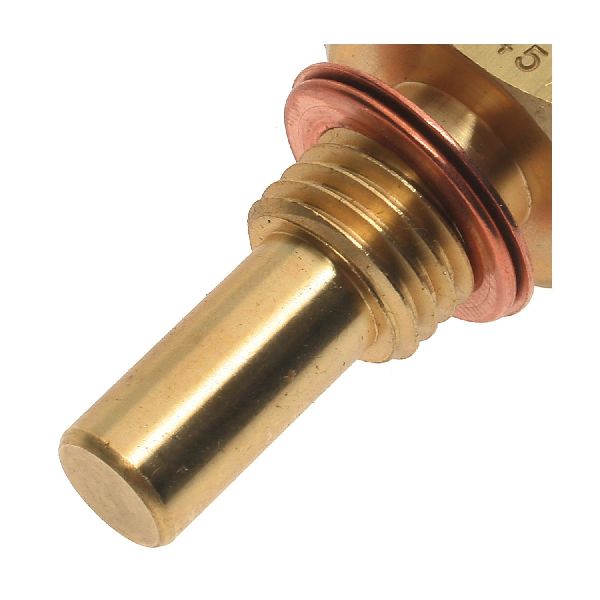
This is a two-terminal NTC (Negative Temperature Coefficient) thermistor that provides temperature data to the Bosch LH-Jetronic ECU. It is typically located on the intake manifold.
We Have This Part in Stock


The information in this article is provided for general reference and educational purposes only. Vehicle specifications, procedures, and part compatibility can vary by production date, trim level, and region. Always consult your vehicle's factory service manual and verify part numbers before purchasing or performing repairs. Safety-critical components such as airbags, seat belts, and braking systems should be installed by a qualified professional.
- Saab 900: