

Choosing the Right Spark Plugs for Your 1985-1993 Saab 900
Keep your classic Saab 900 running smoothly by picking the correct spark plugs.
- Stick with NGK or Bosch copper spark plugs for the best performance and compatibility.
- Always check and adjust the spark plug gap before installation; do not assume it is correct out of the box.
- Replacing spark plugs is an easy and inexpensive DIY job that can be done in under an hour.
- For this specific vehicle, expensive iridium or platinum plugs are not necessary and may not perform as well as standard copper plugs.
Signs of Failing Spark Plugs
Worn-out spark plugs can cause several noticeable problems in your Saab 900. If you experience any of these issues, it might be time for a new set of plugs.
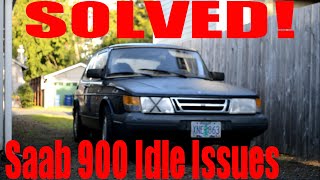
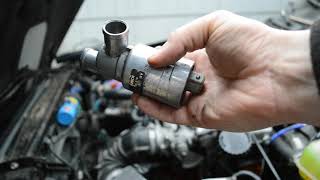
- Rough Idle: Your car may vibrate or shake when stopped. 🎬 Watch this video to see a common idle surge problem.
- Engine Misfires: You might feel a hesitation or stumble during acceleration.
- Poor Acceleration: The car may feel sluggish and less responsive than usual.
- Reduced Fuel Economy: You may find yourself filling up the gas tank more often.
- Hard Starting: The engine may take longer to turn over, especially in the cold.
Don't Ignore Misfires
Driving with a consistent misfire can allow unburned fuel into the exhaust, potentially damaging your catalytic converter, which is an expensive repair.
Choosing the Right Aftermarket Spark Plugs
For the 1985-1993 Saab 900, the choice of spark plug brand and type is very important. While many brands are available, Saab owners and mechanics have a strong preference based on years of experience.
Brand Tiers for Your Saab 900
Tier 1: Recommended (OEM-level quality)
- NGK: This is the overwhelming favorite and often the original equipment manufacturer (OEM) for Saab. The ignition systems in these cars, especially later models with Direct Ignition (DI) cassettes, are sensitive and perform best with NGK plugs. Using other brands can sometimes lead to running issues. For the classic 900, standard copper NGK plugs like the BCPR6ES or BCPR7ES are the go-to choice.
- Bosch: A reputable German brand that also provides high-quality plugs. Some original plugs were Bosch, and they are a solid alternative if NGK is unavailable.
Tier 2: Good Quality
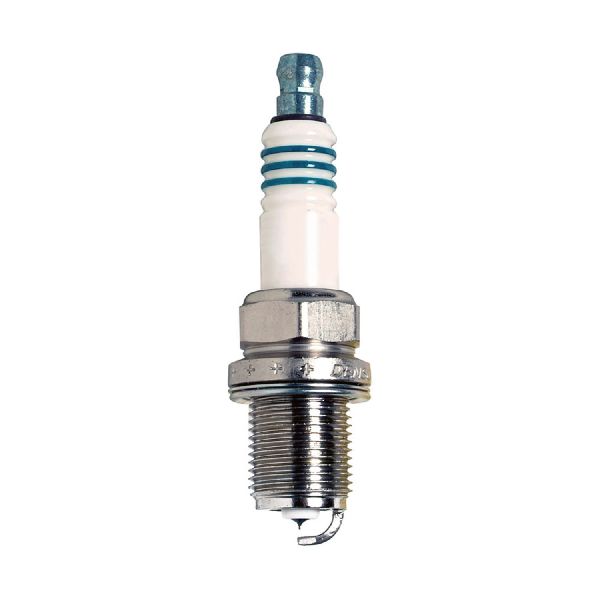
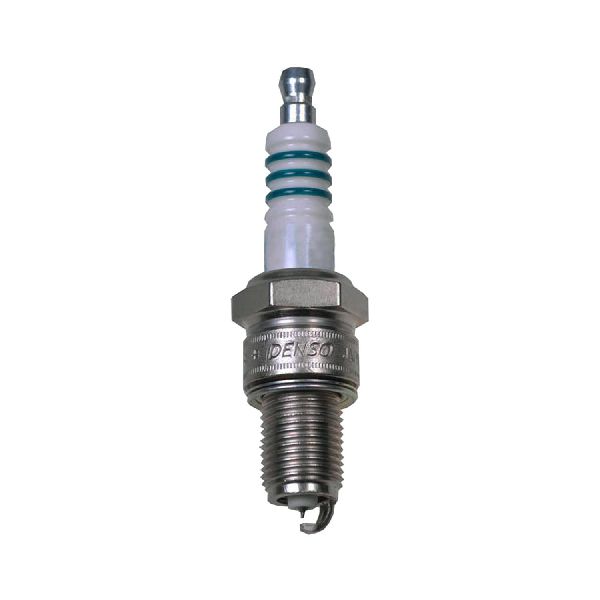
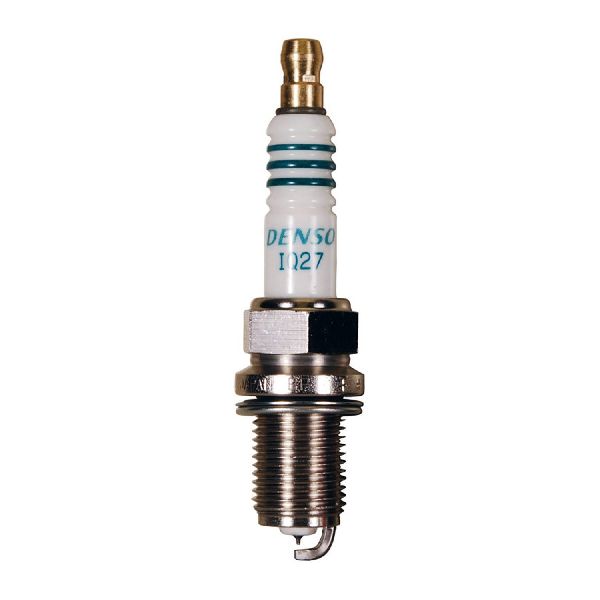
- Denso: A well-respected Japanese brand known for quality and durability. They are a good alternative and offer reliable performance.
Tier 3: Standard/Economy
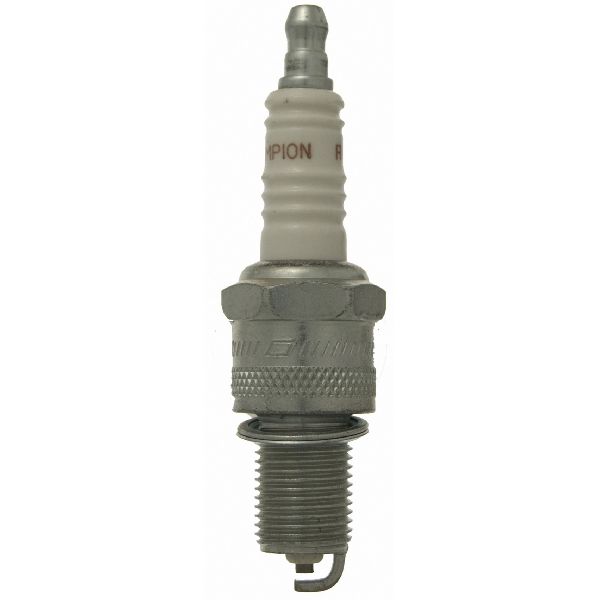
- Autolite & Champion: These brands offer functional spark plugs that will work, but they are not typically recommended by Saab specialists. Given the specific needs of the Saab ignition system, it's best to stick with the brands in Tier 1 or 2.
Copper vs. Platinum/Iridium
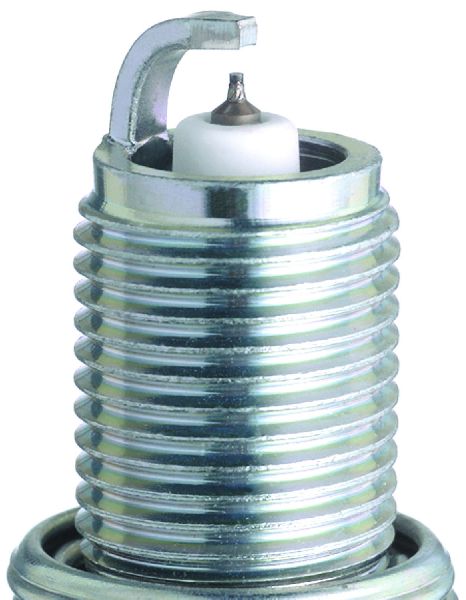
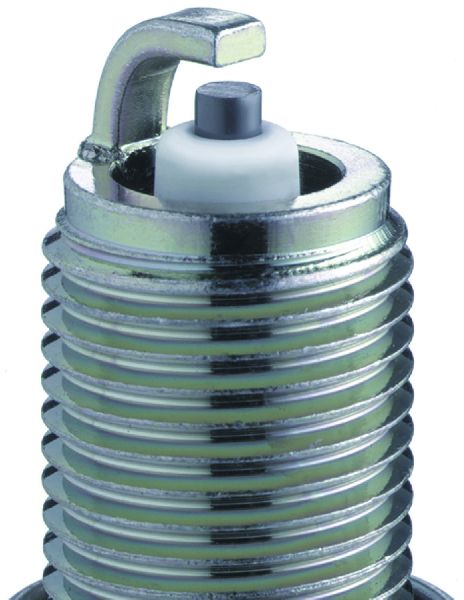
For the classic 900, simple copper spark plugs (like NGK BCPR7ES) are often the best choice. They are inexpensive and provide excellent performance. Platinum or iridium plugs last longer, but they are more expensive and don't necessarily offer better performance in these vintage engines. Some owners report unsatisfactory results with iridium plugs. The best practice is to use affordable copper plugs and replace them more frequently, about every 10,000-15,000 miles.
Cost of Aftermarket Spark Plugs
The price for a single spark plug for your Saab 900 is very reasonable. Here’s a general breakdown of what you can expect to pay per plug.
| Brand Tier | Price Range (per plug) |
|---|---|
| Tier 1 (NGK, Bosch) | $3.23 - $9.00 |
| Tier 2 (Denso) | $4.00 - $10.00 |
| Tier 3 (Autolite, Champion) | $3.23 - $6.00 |
| Premium (Iridium/Platinum) | $7.00 - $16.38 |
Frequently Asked Questions
What is the correct spark plug gap for a Saab 900?
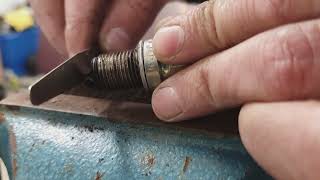
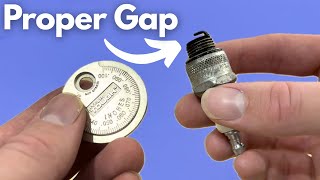
The spark plug gap can vary slightly by engine and year. For turbo models, a common gap is 0.6mm - 0.7mm (about 0.024" - 0.028"). For non-turbo models, it can be slightly larger. Always check the specification for your specific plug and engine, but a gap of around 0.028" is a common starting point. 🎬 See how to adjust the spark plug gap on a T16. It's crucial to check and adjust the gap on new plugs before installation.
How often should I replace the spark plugs?
If you use standard copper plugs, a good interval is every 10,000 to 15,000 miles to keep the engine in top condition. If you opt for more expensive platinum or iridium plugs, you can extend this interval to 30,000 miles or more, but frequent changes with copper plugs are often preferred for these cars.
Do I need special tools to change my spark plugs?
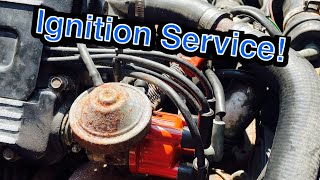
The job is straightforward and requires only basic tools. 🎬 Watch: How to replace the wires, distributor cap, and rotor. You will need a ratchet, a spark plug socket (usually 16mm or 5/8"), an extension, and a spark plug gapping tool to check and set the gap. A torque wrench is also recommended to tighten the plugs correctly.
Should I use anti-seize on the spark plug threads?
This is a topic of debate. Some mechanics apply a small amount of anti-seize to the threads to prevent them from getting stuck in the aluminum cylinder head. However, some plug manufacturers like NGK advise against it because their plugs have a special plating that prevents seizing, and using anti-seize can cause you to over-torque the plug. If you do use it, apply a very thin layer and reduce the torque by about 10-15%.
Are there any recalls for Saab 900 spark plugs?
No, there have been no recalls or technical service bulletins (TSBs) issued by the NHTSA specifically for spark plug-related issues on the 1985-1993 Saab 900.
Helpful Videos
Technical Specifications
OEM Part Numbers: 8819302
Recommended Plugs: NGK BCPR7ES (Turbo), NGK BCP5ES or BP6ES (Non-Turbo). Spanner Size: 16 mm. Thread Size: M14x1.25. Recommended Torque: 18-21 ft-lb (25-28 Nm). Recommended Gap (Turbo): ~0.024"-0.028" (0.6-0.7mm). Recommended Gap (Non-Turbo): ~0.028"-0.032".
We Have This Part in Stock

The information in this article is provided for general reference and educational purposes only. Vehicle specifications, procedures, and part compatibility can vary by production date, trim level, and region. Always consult your vehicle's factory service manual and verify part numbers before purchasing or performing repairs. Safety-critical components such as airbags, seat belts, and braking systems should be installed by a qualified professional.
- Saab 900: