

Volkswagen Golf Radiator Guide: 1985-1993 (Mk2)
Everything you need to know before replacing the radiator in your second-generation VW Golf.
- Radiator failure in the Mk2 Golf is common due to age, with leaks and overheating as the primary symptoms.
- Replacement is a straightforward DIY job that can be completed with basic tools in under two hours.
- Nissens is a highly-recommended aftermarket brand, while budget brands like APDI have mixed reviews.
- Always replace your expansion tank cap and consider replacing hoses and the thermostat at the same time.
Is Your Golf's Radiator Failing?
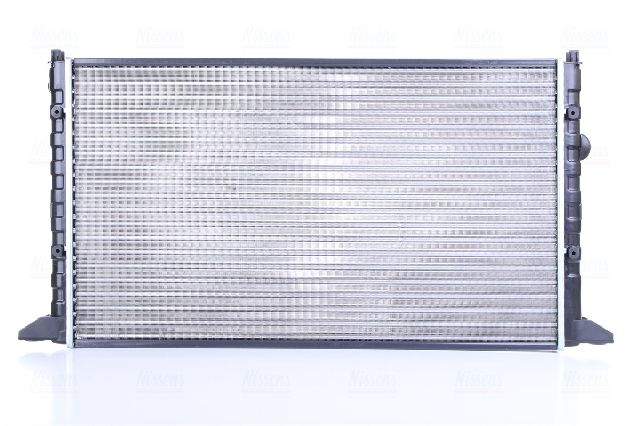
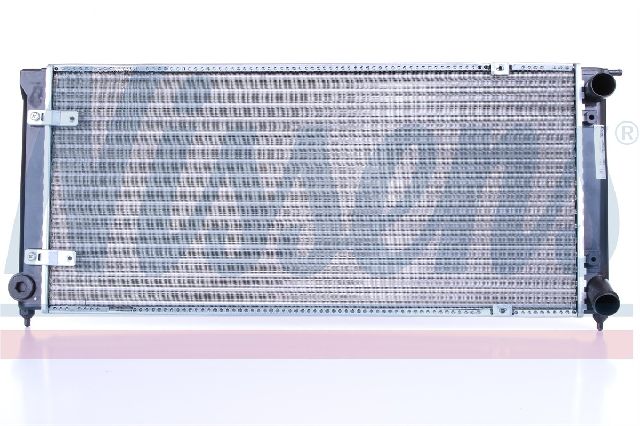
Radiators on the Mk2 Golf don't last forever. After 30+ years, failures are common. The original radiators were often made with copper and brass, but most modern replacements use plastic tanks on an aluminum core. Leaks are the most common problem, usually where the plastic side tanks are crimped onto the metal core. You might also find pinhole leaks from corrosion or internal clogs from years of old coolant.
Key Failure Symptoms
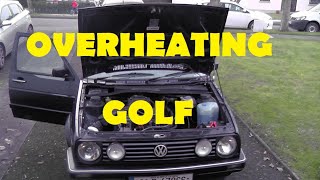
- Engine Overheating: The most serious sign. 🎬 Watch: Troubleshooting common overheating issues on a Mk2 Golf If your temperature gauge is in the red, pull over immediately.
- Coolant Leaks: Finding puddles of sweet-smelling green, blue, or pink liquid under the front of your car is a sure sign of a leak.
- Low Coolant Warning Light: If you have to add coolant frequently, you have a leak somewhere in the system.
- Visible Steam from Engine Bay: Steam indicates that hot coolant is escaping and hitting hot engine parts.
- Rusty or Grimy Coolant: The coolant in your reservoir should be clean. If it looks rusty or sludgy, it could mean the inside of your radiator is corroding and breaking down.
Known Issues: Recalls & TSBs
There are no active recalls or Technical Service Bulletins (TSBs) from Volkswagen or the NHTSA for the radiator on the 1985-1993 Golf. Any recalls you may find online are for much newer Golf models and do not apply to the Mk2 generation.
Choosing a New Aftermarket Radiator
For a vehicle like the Mk2 Golf, a new OEM radiator from Volkswagen is likely unavailable or extremely expensive. The aftermarket is your best and most practical option. Quality can vary, so it's important to choose a trusted brand.
Brand Quality Tiers
Not all aftermarket brands are created equal. Here’s an honest breakdown of the brands available:
- Premium Aftermarket (Nissens): Nissens is a well-regarded Danish brand known for making high-quality cooling system parts. Many VW enthusiasts consider them a top choice, offering good fit and reliable performance that is often close to original equipment standards. While they cost a bit more than budget options, they are a solid investment for peace of mind.
- Standard Aftermarket (ACDelco): ACDelco is a massive, well-known parts manufacturer, though they are more commonly associated with American vehicles. They produce a wide range of parts that meet standard specifications. While not specifically a VW specialist, their radiators are generally considered a reliable, mid-range option.
- Economy / Budget (APDI, One Stop Solutions): Brands like APDI and other private labels fall into the economy category. While the low price is appealing, quality can be inconsistent. Some user reviews report issues with fitment, thinner materials, and premature leaks. These radiators can be a viable option for a budget repair, but inspect them carefully upon arrival and be prepared for potential long-term durability issues.
Pro Tip: What Else to Replace
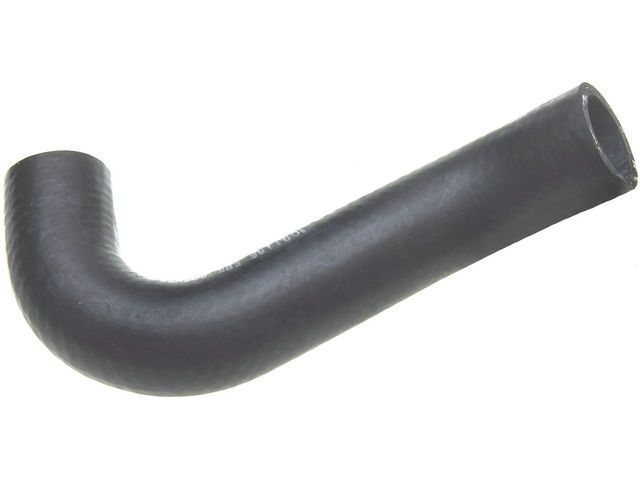
While you have the cooling system drained, it's a smart and cheap preventative measure to replace a few other parts. Consider replacing the radiator fan switch, thermostat, and all main coolant hoses. These parts are inexpensive and wear out over time. Replacing them with the radiator saves you from having to do the job twice.
| Part/Service | Estimated Cost |
|---|---|
| New Aftermarket Radiator | $25 - $151 |
| Shop Labor | $150 - $300 |
| Total Professional Replacement | $175 - $451 |
Frequently Asked Questions (FAQ)
Can I replace the radiator myself?
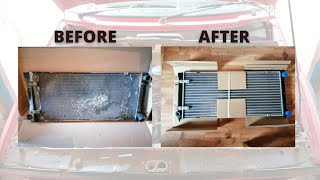
Yes, replacing the radiator on a Mk2 Golf is a very DIY-friendly job for someone with basic mechanical skills and tools. The process is straightforward and involves draining the coolant, removing hoses, unplugging the fan, and unbolting the radiator. 🎬 See this step-by-step radiator and expansion tank replacement guide There are many video guides available online to walk you through it.
What type of coolant should I use for my 1985-1993 Golf?
For this generation of Volkswagen, you should use a traditional 'blue' G11 coolant. Do not mix it with modern pink, red, or purple coolants, as this can cause gelling and blockages in your cooling system. Always mix the coolant with distilled water according to the instructions on the bottle.
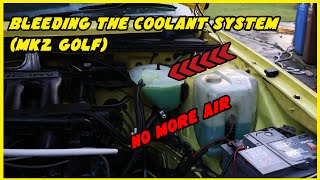
🎬 Watch: How to properly bleed your Mk2 cooling systemShould I reuse my old radiator cap?
No. The radiator cap (or expansion tank cap on a VW) is a critical part that holds pressure in the system. They are inexpensive and wear out over time. Always use a new cap that is rated for the correct pressure for your vehicle when you install a new radiator.
Do I need an aluminum radiator?
Nearly all modern aftermarket radiators are made of aluminum with plastic tanks. This design is lighter and cools more efficiently than the older copper/brass units that may have been original to your car. An aluminum radiator is a suitable and often superior replacement.
Helpful Videos

Technical Specifications
OEM Part Numbers: 191121253L 191121253M
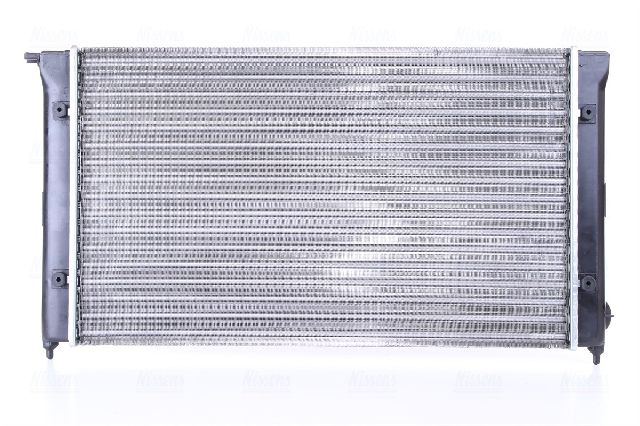
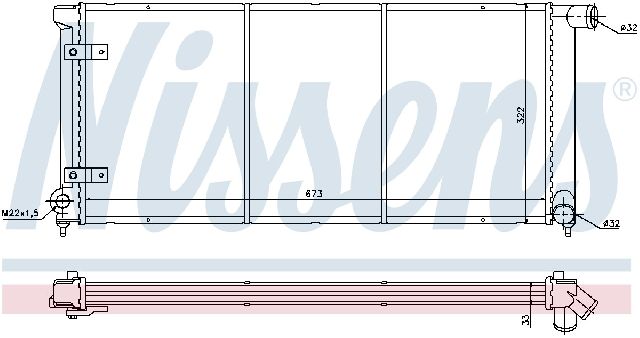
Core materials are typically aluminum with plastic end tanks. Core sizes vary, with common widths being around 525mm. Ensure the inlet/outlet hose positions match your specific engine (e.g., 1.8L vs 1.6L).
We Have This Part in Stock


The information in this article is provided for general reference and educational purposes only. Vehicle specifications, procedures, and part compatibility can vary by production date, trim level, and region. Always consult your vehicle's factory service manual and verify part numbers before purchasing or performing repairs. Safety-critical components such as airbags, seat belts, and braking systems should be installed by a qualified professional.
- Volkswagen Golf: