

Oxygen Sensor Guide for the 1985-1993 Volkswagen Jetta
Keep your classic Jetta running smoothly and efficiently by understanding its oxygen sensor.
- A bad oxygen sensor will cause poor fuel economy and performance issues like rough idling.
- For this Jetta, choose a direct-fit sensor from a reputable brand like Bosch or Denso to ensure compatibility and longevity.
- Replacing the sensor is a feasible DIY job, but the old sensor can be difficult to remove due to rust.
- Do not ignore a failing O2 sensor, as it can lead to costly damage to your catalytic converter.
Understanding the Oxygen Sensor in Your A2 Jetta
The 1985-1993 Volkswagen Jetta, known as the A2 generation, uses a simple but vital component to manage engine performance: the oxygen sensor. This sensor constantly checks the exhaust gases to see if the engine is running rich (too much fuel, not enough air) or lean (too much air, not enough fuel). It sends this data to the engine computer, which makes real-time adjustments to the fuel injectors. Over time, these sensors can fail due to age, contamination from fuel additives, or exposure to high temperatures. Since these vehicles are now over 30 years old, it's very common for the original sensor to be worn out.
Symptoms of a Failing Oxygen Sensor
When your Jetta's oxygen sensor starts to go bad, it can't send accurate information to the engine computer. This can cause a variety of noticeable problems.
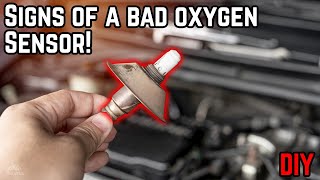
🎬 Watch: Signs, symptoms, and diagnosis of a bad oxygen sensor- Poor Fuel Economy: One of the most common signs is a sudden drop in gas mileage. The engine may run rich, wasting fuel.
- Check Engine Light: A faulty sensor will often trigger the Check Engine Light on your dashboard.
- Rough Idle and Poor Performance: Your Jetta might idle roughly, hesitate when you accelerate, or even stall.
- Failed Emissions Test: A bad O2 sensor can cause high levels of carbon emissions, leading to a failed smog check.
- Rotten Egg Smell: In some cases, you might notice a smell like rotten eggs from the exhaust, which indicates unburned fuel entering the exhaust system.
Don't Ignore a Bad Sensor
Continuing to drive with a faulty oxygen sensor is not recommended. It can lead to more serious and expensive problems, such as damaging the catalytic converter. Replacing a sensor is much cheaper than replacing a catalytic converter.
Choosing the Right Aftermarket Oxygen Sensor
For a classic vehicle like the 1985-1993 Jetta, aftermarket parts are widely available and often provide excellent value. The original equipment manufacturer (OEM) for many European cars of this era, including Volkswagen, was Bosch.
| Brand Tier | Brands | Notes |
|---|---|---|
| Premium / OE-Equivalent | Bosch, Denso, NGK/NTK | These brands are often original equipment suppliers and are known for their quality and reliability. Bosch was the inventor of the oxygen sensor and an OEM supplier for VW. Denso and NGK (NTK) are also highly regarded Japanese brands with a strong reputation. For direct-fit and reliable performance, these are your best options. |
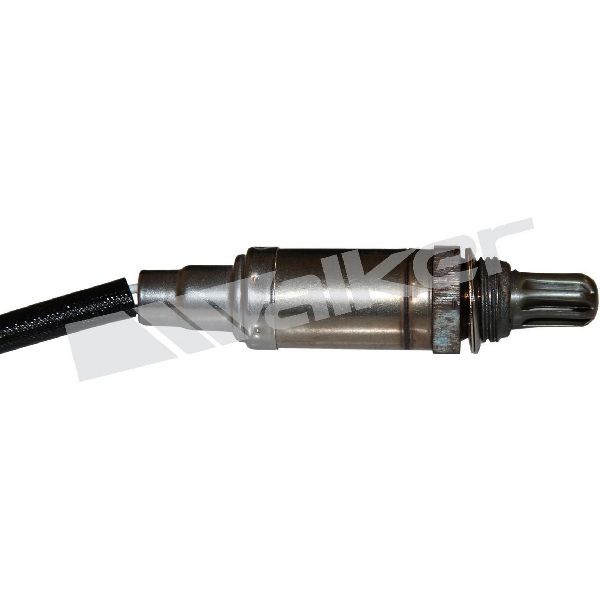
| Quality Aftermarket | Walker Products, Delphi, Spectra | These brands offer a good balance of quality and price. They produce reliable sensors that meet or exceed OEM specifications and are a solid choice for most repairs. Walker and Delphi are well-established names in aftermarket parts. |
| Value-Oriented | DriveWire | These sensors are more budget-friendly. While they can perform adequately, they may not have the same longevity or precise calibration as premium brands. They can be a good option for a budget-conscious repair. |
Direct-Fit vs. Universal Sensors
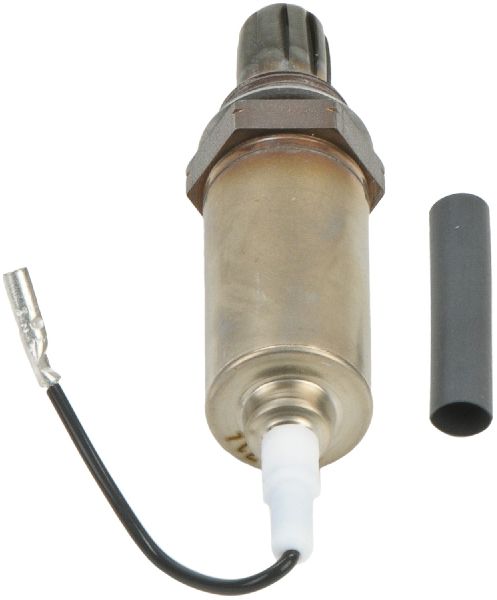
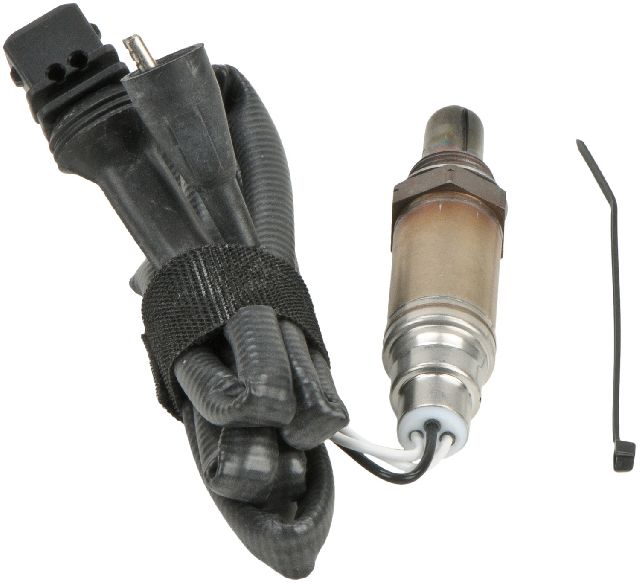
You will see two types of sensors: direct-fit and universal. A direct-fit sensor comes with the correct electrical connector for your Jetta, making installation a simple plug-and-play process. A universal sensor requires you to cut the old connector off your original sensor and splice it onto the new one. While universal sensors are cheaper, the direct-fit style is highly recommended to avoid wiring mistakes and ensure a reliable connection.
🎬 See this step-by-step walkthrough for replacing an oxygen sensorFrequently Asked Questions
How often should I replace my Jetta's oxygen sensor?
For older vehicles, it's a good practice to replace the oxygen sensor every 60,000 to 90,000 miles as part of preventative maintenance. If your car is more than 15 years old and the sensor has never been changed, it's likely not performing at its best.
Is this a difficult part to replace myself?
For a DIY mechanic with the right tools, this is a manageable job. The main challenge is often removing the old sensor, which can be seized in the exhaust manifold due to rust and heat cycles. Using penetrating oil beforehand and having a special oxygen sensor socket are key. The sensor is usually located on the exhaust manifold in the engine bay.
What tools do I need to replace the oxygen sensor?
You will need penetrating oil, a ratchet, and a special oxygen sensor socket. This socket has a slit down the side to accommodate the sensor's wire. You may also need a 10mm socket to remove any protective covers. Sometimes a thread chaser is helpful to clean the threads in the exhaust before installing the new sensor.
My Jetta has a 3-wire and a 4-wire sensor listed. Which one do I need?
This depends on your specific year and engine. Some sensors are unheated (1 or 2 wires), while most are heated (3 or 4 wires) for faster activation. A heated sensor has its own internal heater to get it to operating temperature quickly. It is crucial to match the number of wires and the connector type to your original sensor. Check the part details and match them to what is on your car before ordering.
🎬 Watch: How to change a Jetta oxygen sensorHelpful Videos
Technical Specifications
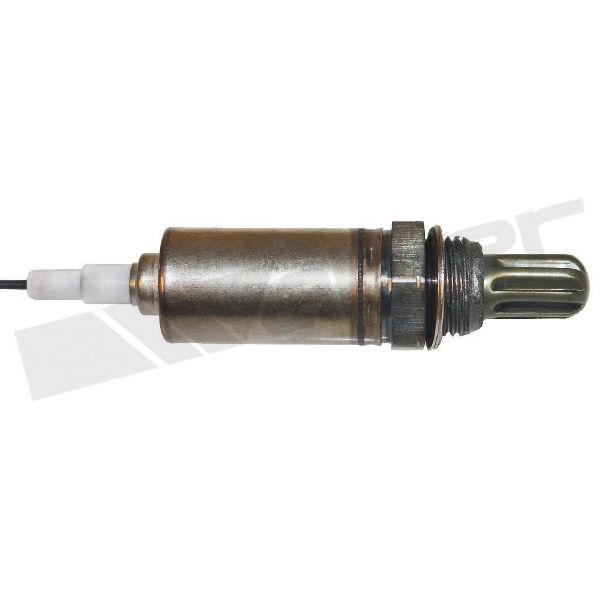
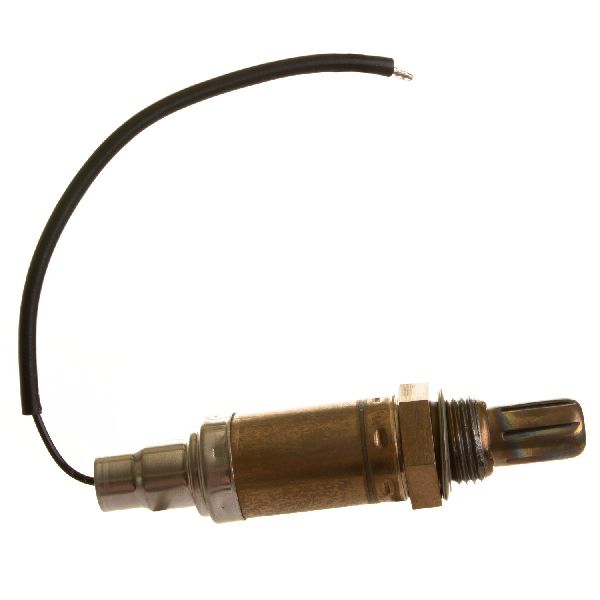
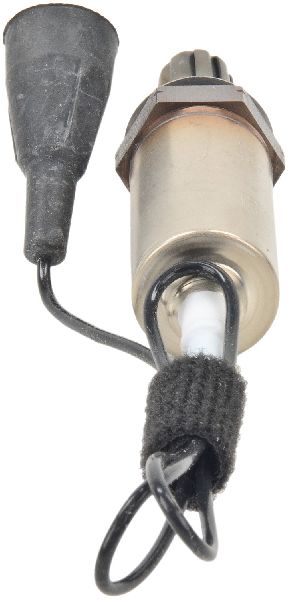
For the 1985-1993 Jetta, you will typically need a single, upstream oxygen sensor. These are usually heated, 3-wire or 4-wire sensors with a threaded M18x1.5 body. Always verify the connector type and wire count against your specific vehicle before purchasing.
We Have This Part in Stock

The information in this article is provided for general reference and educational purposes only. Vehicle specifications, procedures, and part compatibility can vary by production date, trim level, and region. Always consult your vehicle's factory service manual and verify part numbers before purchasing or performing repairs. Safety-critical components such as airbags, seat belts, and braking systems should be installed by a qualified professional.
- Volkswagen Jetta: