

BMW 535i (E28, E34) Ignition Coil Guide for 1985-1994 Models
Fix your M30 engine's no-start, stalling, or misfire issues by understanding its single most important ignition part.
- Your 1985-1994 535i uses a single canister-style coil; if it fails, the engine will not run.
- A complete no-start condition or sudden stalling are the most common signs of a failed coil.
- Bosch is the original equipment manufacturer and is considered the most reliable replacement choice.
- Replacement is a very easy DIY job that takes less than 30 minutes with basic tools.
Understanding Your 535i's Ignition System
The 1985-1994 BMW 535i, covering both the E28 and E34 chassis, uses the robust M30 inline-six engine. This engine features a classic distributor-based ignition system. Unlike modern cars with a coil for each spark plug, your 535i relies on a single, canister-style ignition coil. This coil generates the high voltage for all cylinders. While simple and durable, when this one part fails, it can shut down your entire engine, leaving you stranded.
Is Your Ignition Coil Failing? Common Symptoms
A failing ignition coil on your 535i will cause clear and noticeable engine problems. Because the entire engine depends on it, symptoms are usually severe.
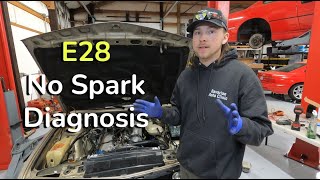
- No-Start Condition: The engine will crank over but will not start. This is the most common symptom of a completely failed coil. 🎬 See a step-by-step diagnosis for an E28 crank no-start.
- Sudden Stalling: The engine may cut out unexpectedly while driving, which can be dangerous. This can happen as the coil overheats and temporarily fails.
- Engine Misfires: You may feel the car jerking or sputtering, especially under acceleration.
- Rough Idle: The engine may shake or vibrate more than usual when stopped.
- Loss of Power: Acceleration will feel weak or sluggish because the spark is not strong enough to burn the fuel efficiently.
A Note on Diagnosis
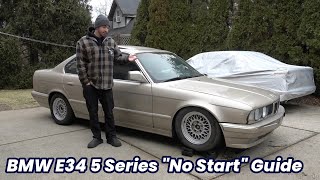
While these symptoms strongly point to the ignition coil, they can also be caused by other parts in the M30's ignition and fuel systems, such as the distributor cap and rotor, crank position sensors, or the main DME relay. It's wise to 🎬 Watch this troubleshooting guide for solving E34 no-start issues. test the coil or rule out other simple fixes before replacing it.
Choosing the Right Aftermarket Ignition Coil
For a classic car like the E28 or E34 535i, you have several good options for a new aftermarket coil. The quality difference often comes down to brand reputation and manufacturing standards.
Brand Tiers
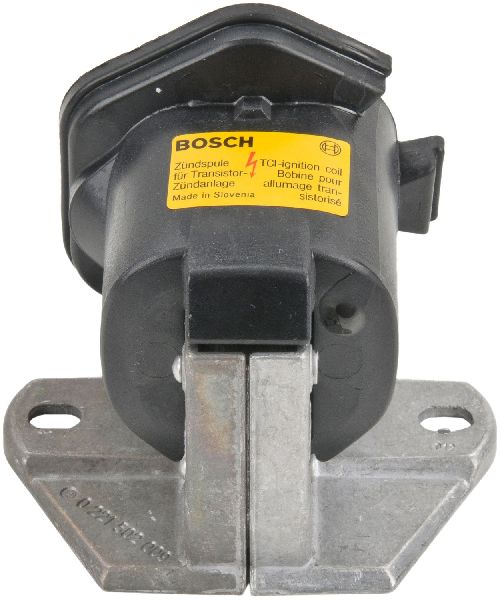
- OEM-Equivalent (Bosch): Bosch was the original equipment manufacturer (OEM) for many BMW parts of this era, including the ignition coil. Choosing a Bosch coil is the closest you can get to the original part and is a trusted, reliable option. It is designed to work perfectly with the car's Bosch Motronic ECU.
- Quality Aftermarket (Standard Ignition, Facet): Brands like Standard Ignition and Facet often provide a good balance of quality and price. Facet is a European manufacturer known for engine management components. These brands are a solid choice for owners looking for a reliable part without the OEM price tag.
- Economy (Global Parts): This tier includes various budget-friendly brands. While they are the most affordable, their long-term durability and performance may not match that of the higher-tiered brands. For a critical component that can leave you stranded, it's often worth investing in a more reputable brand.
Pro Tip: Check Your Connectors
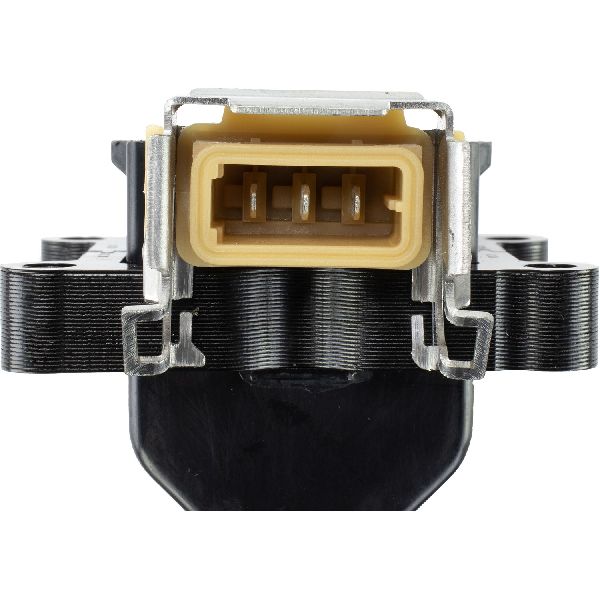
The ignition coil on your 535i is a simple part, but make sure the new one has the same electrical connector style (terminals 1 and 15) as your old one. They are generally standardized for this application, but it's always good to double-check.
Cost of Replacing a BMW 535i Ignition Coil
| Part Type | Estimated Cost |
|---|---|
| New Aftermarket | $45 - $94 |
| New OEM (Bosch) | $75 - $115 |
| Shop Labor | $25 - $50 |
| Total Professional Replacement | $97 - $145 (using aftermarket part) |
Frequently Asked Questions (FAQ)
Is the ignition coil the same for all 1985-1994 535i models?
Yes, the BMW 535i used the M30 engine with a single canister-style ignition coil throughout the 1985-1994 model years, covering both the E28 and E34 chassis. The part is interchangeable.
How do I test my 535i's ignition coil?
You can perform a basic resistance test with a multimeter. With the coil disconnected, measure the resistance between the primary terminals (+ and -) and the secondary terminal (center tower). For the M30 coil, you should see around 0.5 ohms on the primary side and around 6000 ohms (6kΩ) on the secondary side. A reading that is wildly different suggests the coil is bad.
Can I replace the ignition coil myself?
Yes, this is a very simple DIY job for most owners. The coil is easily accessible in the engine bay, typically mounted to the inner fender. It involves disconnecting the battery, unplugging two small wires, removing the main high-tension lead, and unbolting the coil from its bracket. The entire process usually takes less than 30 minutes.
Should I replace other parts at the same time?
It's a good practice to inspect other ignition components when replacing the coil. Check the distributor cap and rotor for wear, cracks, or carbon buildup. Also, inspect the condition of the main coil wire (king lead) and the spark plug wires. If these parts are old, replacing them with the coil can restore ignition performance and prevent future problems.
Are there any recalls for the ignition coil on my 535i?
No, there are no specific recalls or common Technical Service Bulletins (TSBs) from the NHTSA related to the ignition coil for the 1985-1994 BMW 535i. Searches for recalls on these older models did not show any issues for this part. Any TSBs found were for much newer BMW models and different ignition systems.
🎬 Learn more about other major BMW recalls and fire hazards.Helpful Videos

Technical Specifications
OEM Part Numbers: 12131286087 12131742925
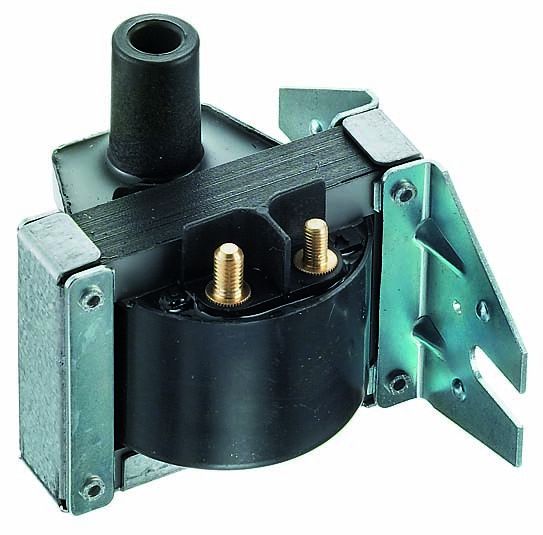
This vehicle uses a single, oil-filled, canister-style ignition coil with a distributor-based ignition system. It has a primary and secondary winding to step up voltage, with connections for low-voltage input (Terminals 1 & 15) and high-voltage output (center tower).
We Have This Part in Stock


The information in this article is provided for general reference and educational purposes only. Vehicle specifications, procedures, and part compatibility can vary by production date, trim level, and region. Always consult your vehicle's factory service manual and verify part numbers before purchasing or performing repairs. Safety-critical components such as airbags, seat belts, and braking systems should be installed by a qualified professional.
- BMW 535i:
- 🎬 Helpful Videos
- 🛍️ Shop This Part
- Understanding Your 535i's Ignition System
- Is Your Ignition Coil Failing? Common Symptoms
- A Note on Diagnosis
- Choosing the Right Aftermarket Ignition Coil
- Brand Tiers
- Pro Tip: Check Your Connectors
- Cost of Replacing a BMW 535i Ignition Coil
- Frequently Asked Questions (FAQ)
- 🎟️ Get 5% Off