

Cadillac DeVille Automatic Transmission Mount Guide (1985-1994)
A no-nonsense guide to understanding, diagnosing, and replacing the transmission mount on your 1985-1994 Cadillac DeVille.
- The most common symptom of failure is a loud 'clunk' when shifting into gear.
- Aftermarket brands like Anchor, DEA, and Westar are budget-friendly but may increase cabin vibration and have mixed reviews on longevity.
- Driving with a broken mount can cause damage to other parts like axles and exhaust components.
- No specific recalls were found for the transmission mount on this vehicle.
Symptoms of a Failing Transmission Mount
When a transmission mount wears out, the signs are usually easy to notice. The rubber cracks and collapses, or the mount itself can break. Here’s what to look and listen for:
- Clunking or Thumping Noises: This is the most common symptom. You may hear a loud clunk or bang when you shift from Park into Drive or Reverse. The noise can also happen during hard acceleration or braking as the transmission shifts its weight.
- Excessive Vibrations: A good mount absorbs drivetrain vibrations. When it fails, those vibrations travel through the car's frame and into the cabin. You might feel them through the steering wheel, floor, or seats, especially when idling or accelerating.
- Visible Engine Movement: If you have a helper, you can check for a bad mount. With the car in Park and the parking brake set firmly, have the helper briefly shift into Drive while you watch the engine bay. If the engine and transmission assembly lurches or rocks excessively, the mount is likely worn out.
Don't Ignore a Bad Mount
Continuing to drive with a completely failed transmission mount can cause stress on other components. It can damage CV axles, exhaust pipes, and even the transmission case itself. Replacing the mount is much cheaper than fixing these related problems.
Choosing the Right Aftermarket Mount
For a vehicle of this age, finding a new original equipment (OEM) mount from GM is very difficult, if not impossible. The aftermarket is your most realistic source. The available brands generally fall into the 'economy' or 'standard replacement' category. Here’s an honest breakdown:
Economy & Standard Replacement Brands (Anchor, DEA, Westar)
These brands are widely available and very affordable. However, owner feedback is mixed. Many users in forums report that the rubber on these mounts is often harder than the original OEM part. This can lead to a noticeable increase in cabin vibration after installation. Some owners have also reported fitment issues that required modifying the part to install it correctly, or premature failure where the mount wears out in a year or less.
Bottom Line: These mounts will get your car back on the road and stop the clunking, but you may sacrifice some ride quality due to increased vibration. They are a functional, budget-friendly choice if you understand the potential trade-offs.
Potentially Higher-Quality Aftermarket (Pioneer)
Some mechanics and vehicle owners have noted that Pioneer brand mounts can sometimes be a step up in quality, appearing closer to the original factory design and materials. If available for your DeVille, this brand may offer a better balance of price and quality, potentially providing better vibration damping than the economy options.
Pro Tip: Check the Rubber
Regardless of the brand, inspect the new mount before installation. The rubber should be free of cracks. Compare it to the old part if you can. While aftermarket parts may look slightly different, significant differences in bracket thickness or mounting hole locations can signal future problems.
Typical Replacement Costs
The cost to replace a transmission mount varies by location and whether you do the work yourself. The part itself is inexpensive.
| Item | Estimated Cost |
|---|---|
| New Aftermarket Part | $13 - $80 |
| Shop Labor (1.5 - 2.5 hours) | $150 - $300 |
| Total Professional Replacement | $163 - $380 |
Frequently Asked Questions
Can I drive with a bad transmission mount?
You can, but it's not recommended for long. A broken mount puts extra stress on your engine mounts, axles, and exhaust system, which can lead to more expensive repairs down the road. If the mount has completely failed, it can be unsafe.
Is replacing a transmission mount a DIY job?
For a mechanically inclined person with the right tools, yes. The job requires safely lifting and supporting the vehicle, then supporting the transmission's weight with a floor jack and a block of wood before unbolting the old mount and installing the new one. It typically involves removing a few 15mm bolts. If you are not comfortable working under your car, leave this job to a professional.
What's the difference between an engine mount and a transmission mount?
They do very similar jobs but are in different locations. Engine mounts secure the engine, while transmission mounts secure the transmission. On a FWD car like the DeVille, they work together to hold the entire engine and transaxle assembly in place. A failure in one puts more stress on the others.
Were there any recalls for the 1985-1994 DeVille transmission mount?
No. Searches of the National Highway Traffic Safety Administration (NHTSA) database did not find any safety recalls or technical service bulletins (TSBs) specifically related to the automatic transmission mounts for the 1985-1994 Cadillac DeVille.
Technical Specifications
OEM Part Numbers: 17996418 17996420
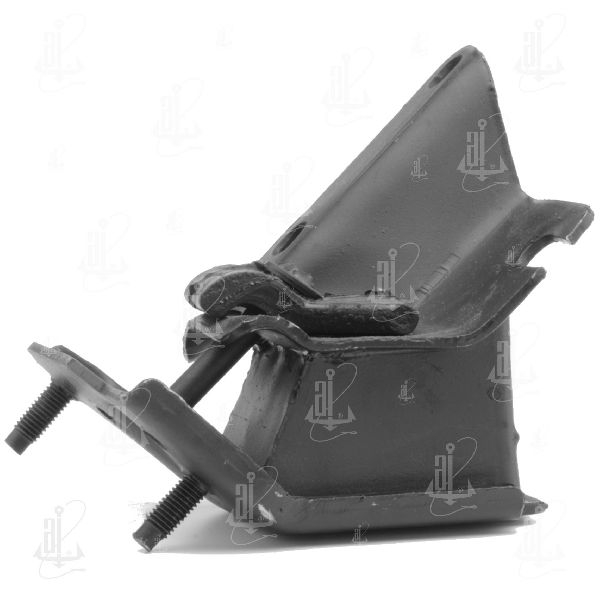
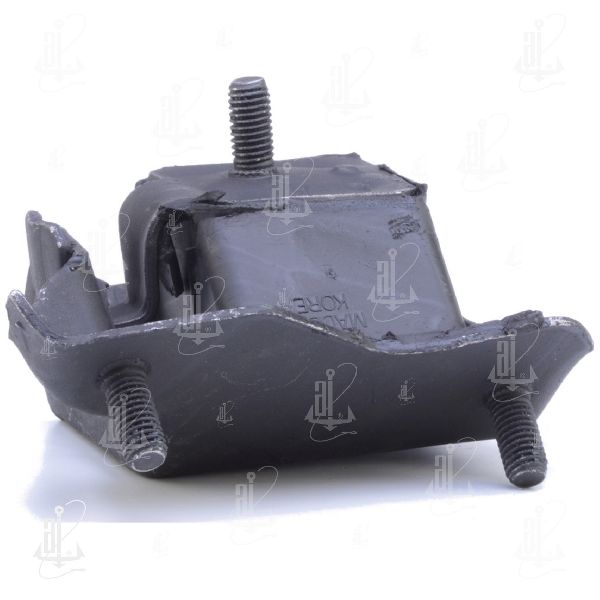
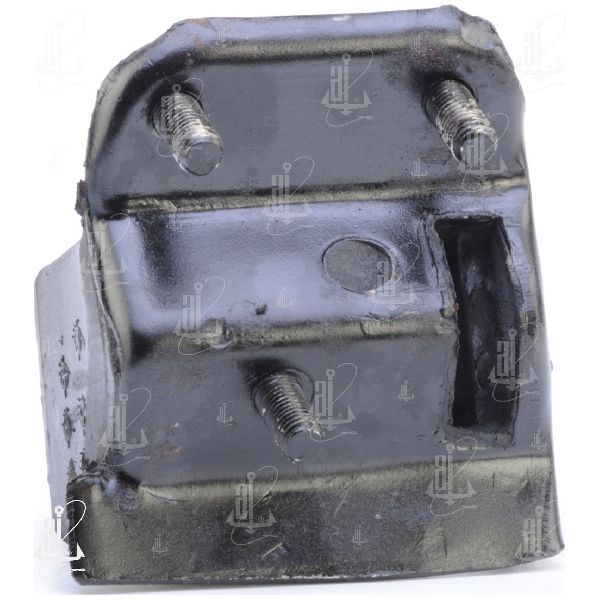
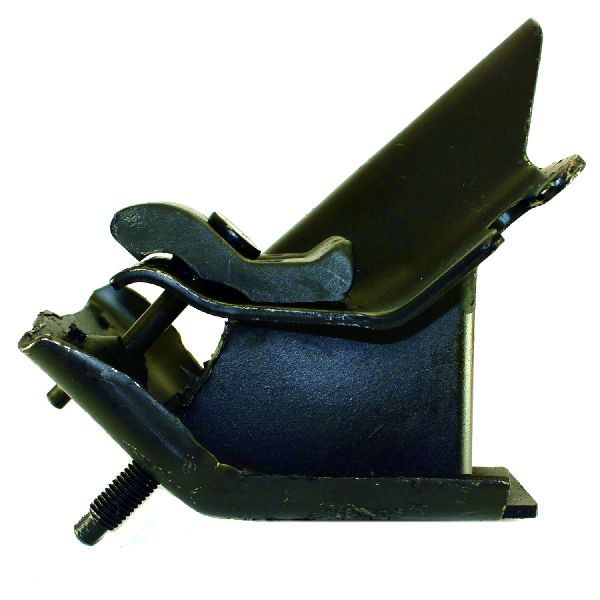
This vehicle uses multiple mounts to secure the engine and transaxle. The transmission mount is a key part of this system, typically made of a metal bracket with a large rubber bushing to absorb vibration.
We Have This Part in Stock


The information in this article is provided for general reference and educational purposes only. Vehicle specifications, procedures, and part compatibility can vary by production date, trim level, and region. Always consult your vehicle's factory service manual and verify part numbers before purchasing or performing repairs. Safety-critical components such as airbags, seat belts, and braking systems should be installed by a qualified professional.
- Cadillac DeVille:
- 🛍️ Shop This Part
- Symptoms of a Failing Transmission Mount
- Don't Ignore a Bad Mount
- Choosing the Right Aftermarket Mount
- Economy & Standard Replacement Brands (Anchor, DEA, Westar)
- Potentially Higher-Quality Aftermarket (Pioneer)
- Pro Tip: Check the Rubber
- Typical Replacement Costs
- Frequently Asked Questions
- 🎟️ Get 5% Off