

Engine Coolant Temperature Sensor Guide for 1985-1994 Cadillac Seville
Solve poor engine performance, inaccurate temperature readings, and hard starting on your Cadillac Seville by understanding and replacing the right sensor.
- A failing ECT sensor causes poor fuel economy, overheating, and hard starts.
- Sensor location differs by engine: it's easy to access on 4.1/4.5/4.9L engines but difficult on the 4.6L Northstar.
- ACDelco and Delphi are top-tier brand choices for reliability and fit.
- Always inspect the wiring and connector for damage, as they can be a common point of failure on older vehicles.
Understanding the Engine Coolant Temperature Sensor in Your Seville
The Engine Coolant Temperature (ECT) sensor is a small but vital part of your Seville's engine management system. It tells the car's computer how hot or cold the engine is. Based on this single reading, the computer adjusts the air-fuel mixture—providing more fuel when the engine is cold and less when it's warm. It also influences ignition timing and when the radiator fans turn on to prevent overheating. A failing sensor can lead to a range of noticeable problems, from poor fuel economy to a car that won't start properly.
Symptoms of a Failing ECT Sensor
When the ECT sensor starts to fail, it can send incorrect signals to the engine's computer, leading to several issues. You might notice one or more of the following signs:
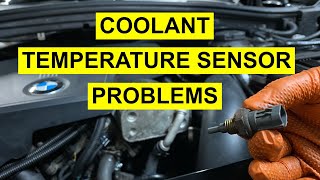
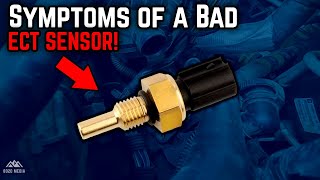
🎬 Watch a breakdown of common bad ECT sensor symptoms.- Check Engine Light: The computer may detect a signal from the sensor that is out of range, triggering a fault code and illuminating the check engine light.
- Poor Fuel Economy: If the sensor incorrectly tells the computer the engine is always cold, the system will run a rich fuel mixture, wasting gas.
- Black Smoke from Exhaust: A rich fuel mixture can result in unburned fuel exiting through the exhaust, appearing as black smoke.
- Engine Overheating or Running Too Cool: A bad sensor can prevent the cooling fans from turning on when needed, leading to overheating. Conversely, it might cause the fans to run constantly, preventing the engine from reaching its ideal operating temperature.
- Hard Starting: Especially when the engine is warm, a faulty sensor might create a fuel mixture that is too rich, causing the engine to flood and be difficult to start.
- Inaccurate Temperature Gauge: The gauge on your dashboard may show erratic readings, stay on cold, or jump to hot unexpectedly.
A Note on Wiring
On vehicles of this age, the sensor's wiring connector and harness can become brittle and degraded from years of heat cycles. Before replacing the sensor, inspect the connector and wires for cracking or bare spots. Sometimes, the problem is the wiring, not the sensor itself. Many replacement sensors come with a new pigtail connector for this reason.
Choosing the Right Aftermarket Sensor
While a dealership OEM part is an option, the aftermarket offers a wide range of quality replacements. For a vehicle like the 1985-1994 Seville, brands that were original equipment suppliers are an excellent choice.
Brand Quality Tiers
- Top Tier (OEM Equivalent): ACDelco and Delphi are top choices. ACDelco is GM's own parts brand, and Delphi was a major GM parts manufacturer. These brands are known for precise fitment and reliable performance, often matching the original part's specifications exactly.
- Quality Aftermarket: Brands like Standard Ignition (SMP), NGK/NTK, and Hella have a strong reputation for producing reliable electronic components that meet or exceed OEM standards. They offer a great balance of quality and value.
- Value Options: Brands such as Four Seasons, Facet, and Motorad provide a cost-effective solution. While they may not have the same long-standing reputation as the top-tier brands for electronics, they can be a suitable choice for budget-conscious repairs.
Engine-Specific Sensor Location
The location of the ECT sensor varies depending on your Seville's engine:
- For 4.1L, 4.5L, and 4.9L V8 Engines (approx. 1985-1992): The sensor is typically located at the top center of the engine, near the distributor. It is relatively easy to access. 🎬 See how to replace the sensor on a 4.9L engine.
- For 4.6L Northstar V8 Engines (1993-1994): The sensor is located on the rear of the left-hand (driver's side) cylinder head, often below the EGR valve. This location is much harder to reach and may require removing other components.
Estimated Replacement Costs
The cost to replace the ECT sensor depends on the brand you choose and whether you do the work yourself or hire a professional.
| Item | Estimated Cost |
|---|---|
| New Aftermarket Part | $12.58 - $56.36 |
| Shop Labor | $60 - $150 |
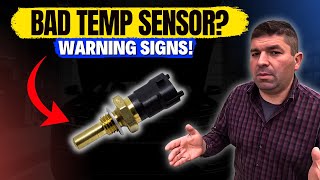
| Total Professional Replacement 🎬 Learn more about symptoms and typical sensor replacement costs. | $75 - $205+ |
Note: Labor costs can be higher for the Northstar engine due to the sensor's difficult location.
Frequently Asked Questions (FAQ)
Where is the ECT sensor located on my Seville?
For models with the 4.1L, 4.5L, or 4.9L engines, the sensor is usually found on top of the engine near the distributor. For the 1993-1994 models with the 4.6L Northstar engine, it is on the back of the driver's side cylinder head, making it more difficult to access.
Can I replace this sensor myself?
For the earlier models with the top-mounted sensor, this is a very DIY-friendly job that requires basic tools like a deep socket and ratchet. For the Northstar engine, the replacement is more complex due to the tight space and may be better left to a mechanic if you are not experienced.
Is there a separate sensor for the dashboard gauge and the computer?
On many vehicles from this era, a single sensor provides the temperature reading to both the gauge and the engine computer. However, some systems use a separate sender for the gauge. If your gauge is faulty but the engine runs fine (or vice-versa), investigate if your specific model year has one or two separate units.
What happens if I don't replace a bad ECT sensor?
Ignoring a faulty ECT sensor can lead to persistently poor fuel economy, failed emissions tests, and potential long-term engine damage from overheating or running on an improper fuel mixture. It can also leave you stranded if the car becomes difficult to start.
Were there any recalls for this part?
Searches of the NHTSA database did not show any specific recalls for the Engine Coolant Temperature Sensor on the 1985-1994 Cadillac Seville. However, a recall for some 1993-1994 models involved potential fuel leaks, which can be aggravated by engine management issues.
Helpful Videos

Technical Specifications
OEM Part Numbers: 25036092 15326386
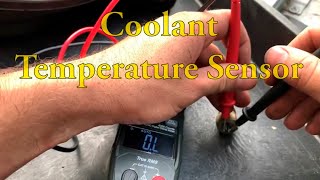
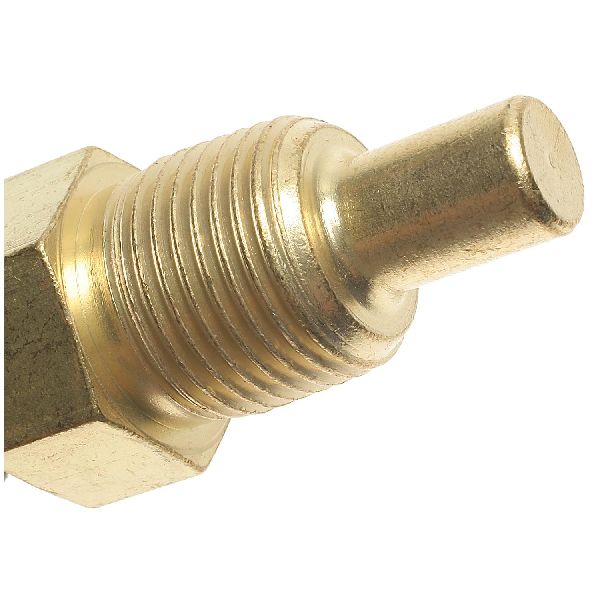
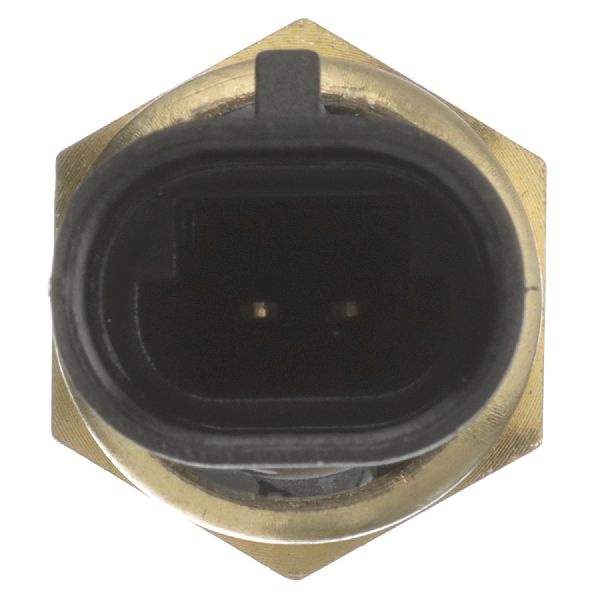
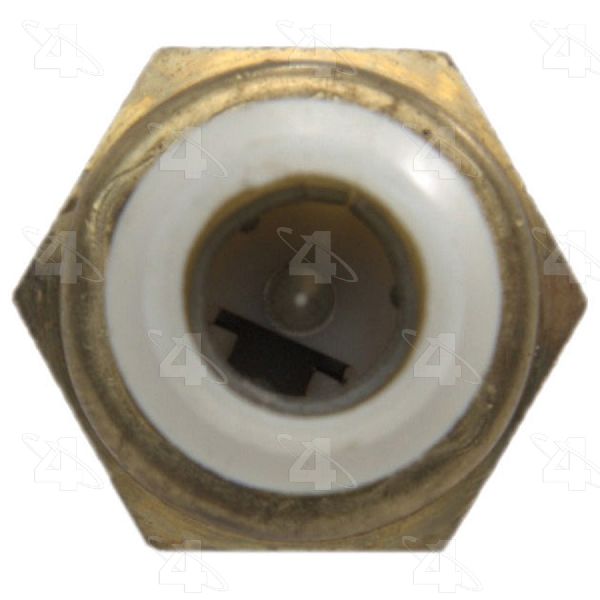
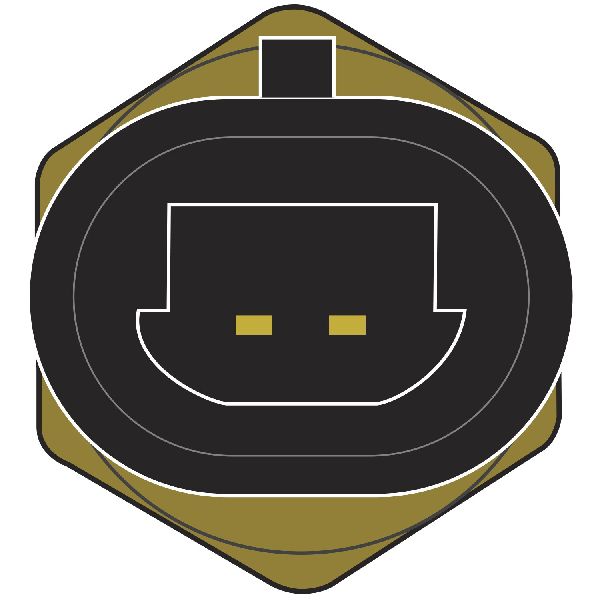
The sensor is a thermistor, a type of resistor whose resistance changes with temperature. The engine computer sends a 5-volt signal to the sensor and reads the return voltage to determine the coolant temperature. The connector style may vary, with some older models using a button-type connector and later ones using a pin-style.
We Have This Part in Stock

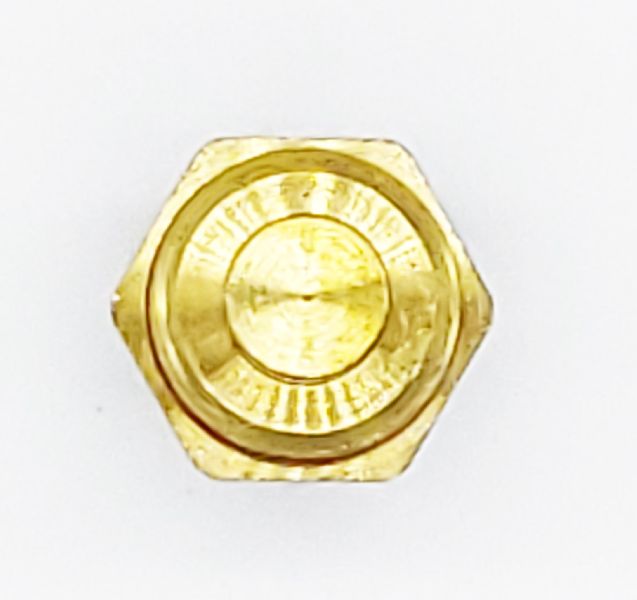

The information in this article is provided for general reference and educational purposes only. Vehicle specifications, procedures, and part compatibility can vary by production date, trim level, and region. Always consult your vehicle's factory service manual and verify part numbers before purchasing or performing repairs. Safety-critical components such as airbags, seat belts, and braking systems should be installed by a qualified professional.
- Cadillac Seville:
- 🎬 Helpful Videos
- 🛍️ Shop This Part
- Understanding the Engine Coolant Temperature Sensor in Your Seville
- Symptoms of a Failing ECT Sensor
- A Note on Wiring
- Choosing the Right Aftermarket Sensor
- Brand Quality Tiers
- Engine-Specific Sensor Location
- Estimated Replacement Costs
- Frequently Asked Questions (FAQ)
- 🎟️ Get 5% Off