

Chevrolet Astro Engine Coolant Temperature Sensor Guide (1985-1994)
Fix poor fuel economy and rough running in your 1985-1994 Astro by understanding and replacing your Engine Coolant Temperature Sensor.
- Verify if you need the two-wire ECU sensor for performance issues, not the one-wire gauge sender.
- Symptoms like bad gas mileage, black smoke, and rough idle strongly point to a failing ECT sensor.
- Replacement is a simple DIY job; the main task is removing the interior engine cover for access.
- Brands like Delphi and Standard Motor Products (SMP) are highly recommended for quality and reliability in this application.
Signs of a Failing Coolant Temperature Sensor in a 1985-1994 Astro
When the Engine Coolant Temperature (ECT) sensor starts to fail, it sends incorrect information to your van's computer. This can cause a variety of noticeable problems. Because the sensor is a key input for fuel management, most symptoms are related to the engine running too rich (too much fuel) or too lean (not enough fuel).
- Poor Fuel Economy: One of the most common signs. If the sensor wrongly tells the computer the engine is always cold, the computer will constantly inject extra fuel, hurting your gas mileage.
- Black Smoke from Exhaust: When the engine runs too rich, not all the fuel can be burned. This unburnt fuel exits through the exhaust, creating black smoke.
- Rough Idle: An incorrect fuel mixture can make the engine shake or run unevenly, especially at idle.
- Hard Starting: The engine may be difficult to start, particularly when it's already warm, because the fuel mixture is wrong for the conditions.
- Check Engine Light: The ECU can detect a problem with the sensor's signal or circuit, which will turn on the "Service Engine Soon" light on your dashboard.
- Engine Overheating: In some cases, a bad sensor can fail to signal that the engine is hot, which may prevent the electric cooling fans from turning on when needed.
Common Ordering Mistake: Gauge Sender vs. ECU Sensor
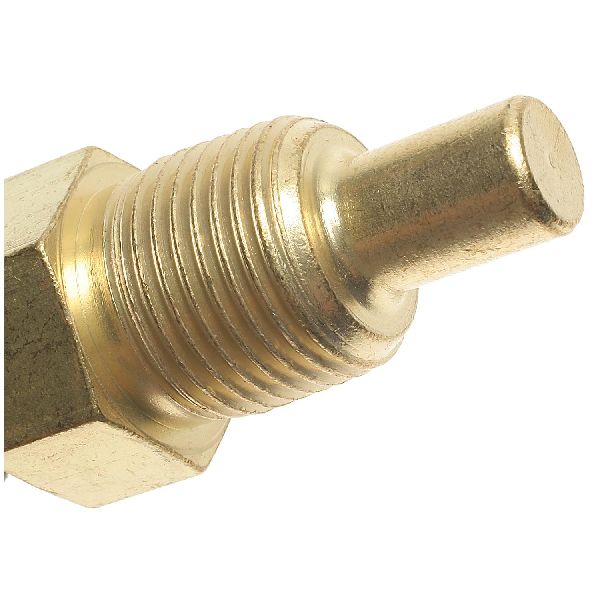
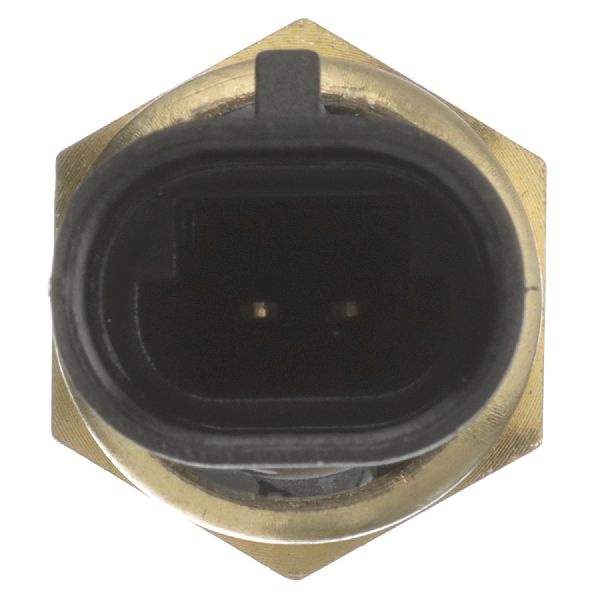
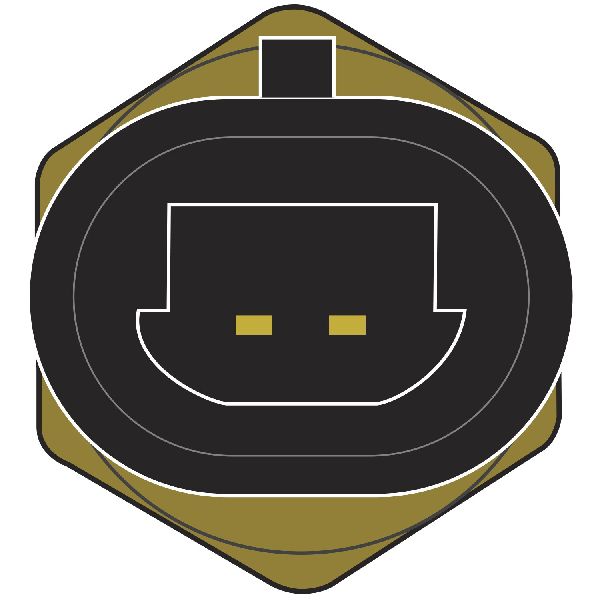
Early Astro vans often have two separate temperature sensors. The first is a two-wire sensor that sends information to the engine computer (ECU). This is the part that affects engine performance. It is typically located on the front of the intake manifold near the thermostat housing. The second is a one-wire sensor, often called a "temperature sender," that only operates the temperature gauge on your dashboard. This sender is usually on the driver's side cylinder head. Before ordering, confirm which sensor you need to replace. If you have performance issues, you need the two-wire ECU sensor.
Choosing the Right Aftermarket ECT Sensor
For a vehicle like the 1985-1994 Astro, aftermarket parts are the most common and accessible option. Quality can vary, but several brands have a strong reputation for reliability.
Premium Aftermarket Brands
These brands are known for quality that often meets or exceeds original equipment standards. They are trusted by professional mechanics.
- Delphi: Often an original equipment manufacturer for GM, Delphi sensors are widely regarded as a top-tier choice. Many users specifically seek out Delphi parts for their GM vehicles.
- Standard Motor Products (SMP): SMP has a reputation for producing high-quality, durable sensors that undergo rigorous testing. Their sensors often feature brass casings for better durability and corrosion resistance.
- NGK/NTK: While famous for spark plugs, NGK's sensor line (NTK) is also well-respected for its quality and reliability.
Standard Replacement Brands
These brands offer a balance of value and quality, making them a solid choice for most repairs.
- Beck Arnley: Focuses on sourcing parts that match the original form, fit, and function.
- Hella: A well-known German brand with a long history in automotive electronics.
- Four Seasons, Global Parts, True Tech, Holstein, Facet, Motorad: These brands provide functional, budget-friendly options that will get the job done.
Pro Tip: Due to the age of these vans, the electrical connector for the ECT sensor can become brittle and corroded. It's a good idea to inspect the connector when you replace the sensor. If it's damaged, replacing the connector pigtail at the same time will prevent future issues.
Cost of Replacing a Chevrolet Astro ECT Sensor
| Part Type | Estimated Cost |
|---|---|
| New Aftermarket Sensor | $12.58 - $37.74 |
| Shop Labor | $100 - $150 |
| Total Estimated Cost | $113 - $188 |
Cost estimates are for the ECU sensor and do not include taxes, shop supplies, or diagnostic fees. Prices can vary by location and supplier.
Frequently Asked Questions (FAQ)
Where is the engine coolant temperature sensor on a 1985-1994 Chevy Astro?
The main ECT sensor for the computer is usually a two-wire sensor located on the front of the engine's intake manifold, close to the thermostat housing. You will need to remove the interior engine cover (the "doghouse") to access it. A separate, single-wire sender for the dash gauge may be located on the driver's side cylinder head.
Can I replace the ECT sensor myself?
Yes, this is a DIY-friendly job for someone with basic mechanical skills. The most time-consuming part is removing the engine doghouse inside the van. Once you have access, you just unplug the old sensor and unscrew it. Have the new sensor ready to install quickly to minimize coolant loss.
What happens if I don't replace a bad ECT sensor?
You will continue to experience poor engine performance, very low fuel economy, and potentially hard starting. Over time, running constantly rich can foul your spark plugs and damage the catalytic converter, leading to more expensive repairs.
Did Chevrolet ever recall the Astro for a faulty coolant sensor?
No, searches of the National Highway Traffic Safety Administration (NHTSA) database show no recalls specifically for the engine coolant temperature sensor on the 1985-1994 Chevrolet Astro.
Technical Specifications
OEM Part Numbers: 15326386 12146312
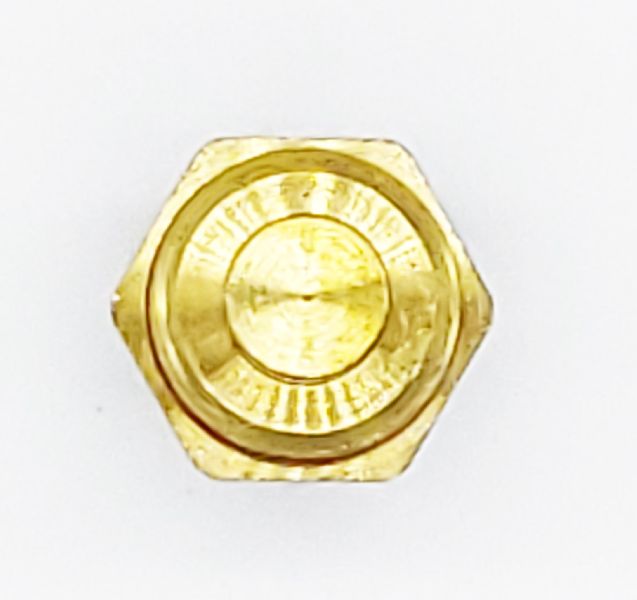
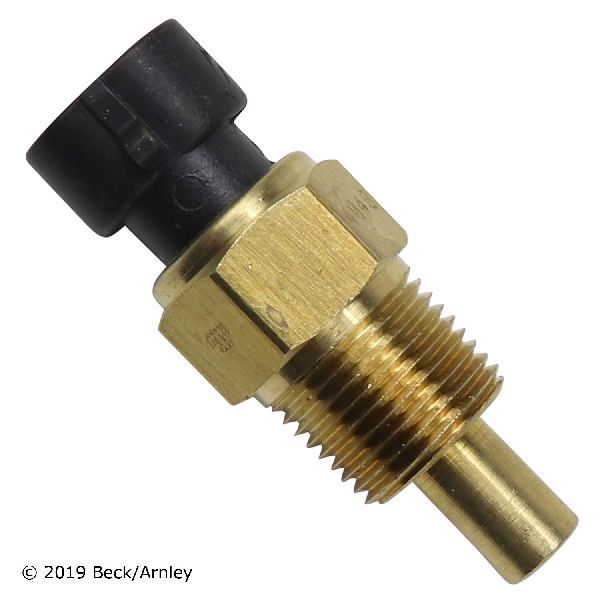
Connector: 2-Pin, Thread Size: 3/8" - 18 NPTF
We Have This Part in Stock


The information in this article is provided for general reference and educational purposes only. Vehicle specifications, procedures, and part compatibility can vary by production date, trim level, and region. Always consult your vehicle's factory service manual and verify part numbers before purchasing or performing repairs. Safety-critical components such as airbags, seat belts, and braking systems should be installed by a qualified professional.
- Chevrolet Astro:
- 🛍️ Shop This Part
- Signs of a Failing Coolant Temperature Sensor in a 1985-1994 Astro
- Common Ordering Mistake: Gauge Sender vs. ECU Sensor
- Choosing the Right Aftermarket ECT Sensor
- Premium Aftermarket Brands
- Standard Replacement Brands
- Cost of Replacing a Chevrolet Astro ECT Sensor
- Frequently Asked Questions (FAQ)
- 🎟️ Get 5% Off