

Engine Coolant Temperature Sensor Guide for 1985-1994 GMC Safari
Solve poor fuel economy and rough running on your GMC Safari by understanding and replacing the engine coolant temperature sensor.
- Your Safari likely has two sensors: one for the computer (on the intake manifold) and one for the dash gauge (on the cylinder head).
- Symptoms of a bad computer sensor include poor MPG, rough idle, and a check engine light.
- Replacing the sensor is an easy DIY job that takes less than an hour with basic tools.
- Stick to reputable aftermarket brands like Delphi, NGK, or Standard Ignition for a reliable repair.
Is Your Safari Running Rough? It Could Be the Coolant Temp Sensor
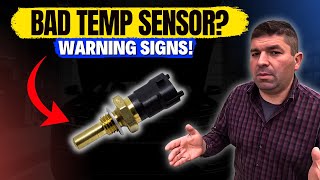
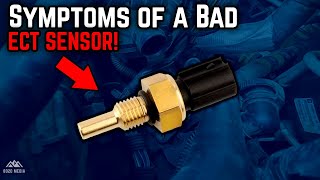
If your GMC Safari is experiencing issues like poor fuel mileage, a rough idle, or has a check engine light on, a faulty Engine Coolant Temperature (ECT) sensor might be the culprit. This small, inexpensive part plays a big role in how your van's engine behaves. Because these vans are from an era before highly complex diagnostics, a bad ECT sensor can cause a variety of symptoms that might seem unrelated. For example, 🎬 Watch this breakdown of common bad ECT sensor symptoms. the computer might think the engine is perpetually cold, causing it to run "rich" (too much fuel), which wastes gas and can cause black smoke from the exhaust.
Two Temperature Sensors
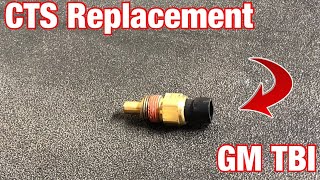
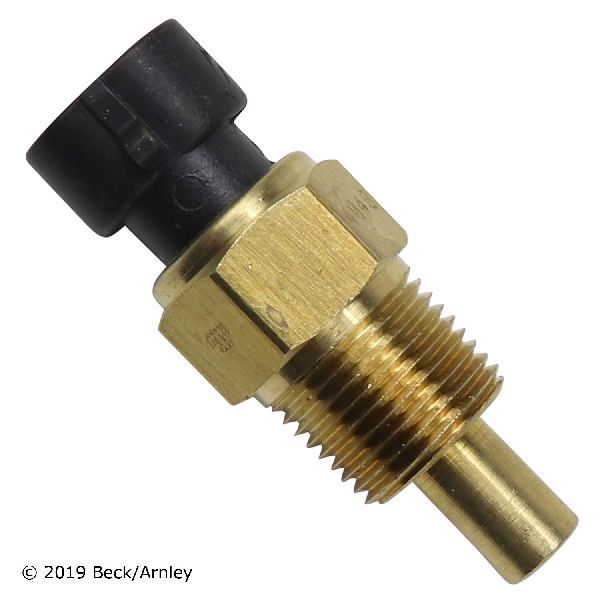
Be aware that many 1985-1994 GMC Safaris and their Chevrolet Astro twins have two separate temperature sensors. One is the ECT sensor for the computer (ECM), which has two wires and is typically located on the front of the intake manifold. 🎬 See how to replace the CTS on a GM engine. The other is a single-wire sending unit for the temperature gauge on your dashboard, often found on the driver's side cylinder head. If your gauge isn't working but the van runs fine, the sender is likely the problem. If the van runs poorly, the ECT sensor for the computer is the one to check.
Choosing the Right Aftermarket Sensor
While a genuine GM or ACDelco part is always an option, the aftermarket offers many quality replacements that provide excellent value. For a critical sensor like the ECT, it's best to stick with reputable brands to ensure accurate readings and longevity.
Brand Quality Tiers
- Top Tier (OEM-Equivalent Quality): Brands like Delphi and NGK (NTK) are often original equipment manufacturers for many car brands, including GM. Choosing one of these is the closest you can get to the original part's performance and reliability. Beck Arnley is also a strong choice, as they specialize in sourcing parts that match the original's form and function.
- Reliable Aftermarket: Standard Ignition (SMP) and Hella are well-respected brands that have been in the aftermarket for a long time. They produce reliable sensors that meet or exceed OEM specifications and are a dependable choice for most repairs.
- Value Options: Brands like Holstein, Four Seasons, and Motorad offer a more budget-friendly alternative. While they may not have the same long-standing reputation as the top-tier brands for sensors, they can be a suitable option for a cost-effective repair.
Pro Tip: Many aftermarket sensors come with thread sealant already applied to the threads. If yours does not, apply a small amount of appropriate thread sealant to prevent coolant leaks. Do not use Teflon tape on sensors that ground through their threads (typically single-wire senders), as it can interfere with the connection.
Cost of Replacing the ECT Sensor
Replacing the ECT sensor is one of the more affordable repairs you can perform. The parts are inexpensive, and the labor is straightforward for a DIYer or a professional mechanic.
| Part/Service | Estimated Cost |
|---|---|
| New Aftermarket ECT Sensor | $12.58 - $37.74 |
| New OEM (ACDelco) ECT Sensor | $20 - $45 |
| Shop Labor | $75 - $150 |
Frequently Asked Questions
Where is the ECT sensor located on a 1985-1994 GMC Safari?
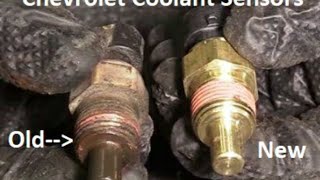
The main Engine Coolant Temperature (ECT) sensor for the computer is usually screwed into the front of the engine's intake manifold, near the thermostat housing. To access it, you will need to remove the interior engine cover (the "doghouse"). The separate sender for the dashboard temperature gauge is typically located on the driver's side cylinder head, between the spark plugs.
What are the most common signs of a bad ECT sensor?
The most common symptoms include a Check Engine Light, poor fuel economy, black smoke from the exhaust, rough idling, hard starting (especially when the engine is warm), and an engine that seems to run too hot or too cold. In some cases, it can even prevent the transmission from shifting into overdrive.
Is it difficult to replace the ECT sensor myself?
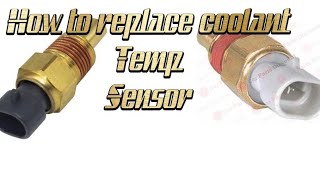
No, this is a very DIY-friendly job. After removing the engine cover, you simply unplug the electrical connector, and use a deep socket wrench (usually 3/4 inch) to unscrew the old sensor. Have the new sensor ready to screw in quickly to minimize coolant loss. 🎬 Follow this step-by-step guide to replace your Astro van sensor. The entire job can usually be done in under an hour.
Are there any recalls for the ECT sensor on these vans?
A search of the National Highway Traffic Safety Administration (NHTSA) database shows no specific recalls for the engine coolant temperature sensor on the 1985-1994 GMC Safari.
Helpful Videos
Technical Specifications
OEM Part Numbers: 19236568 213-4514
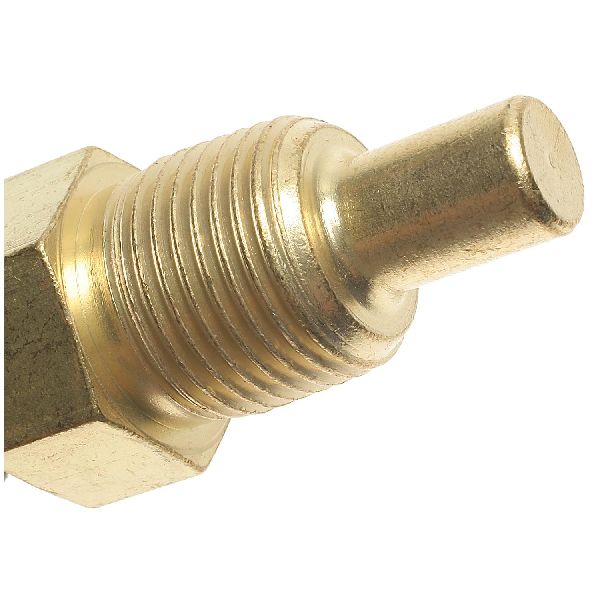
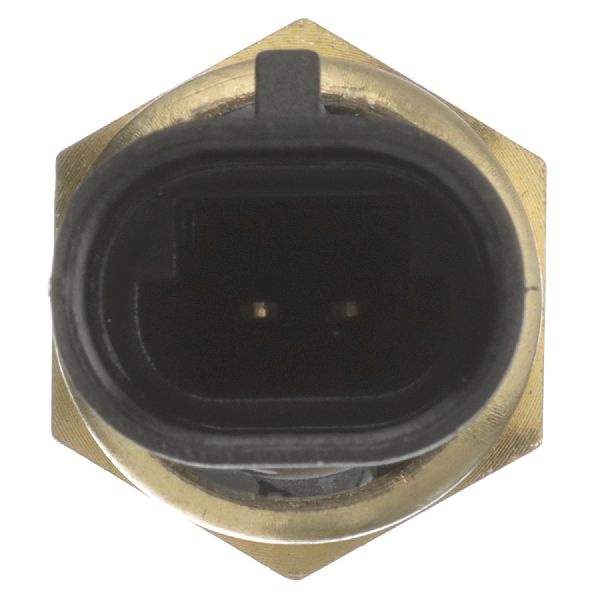
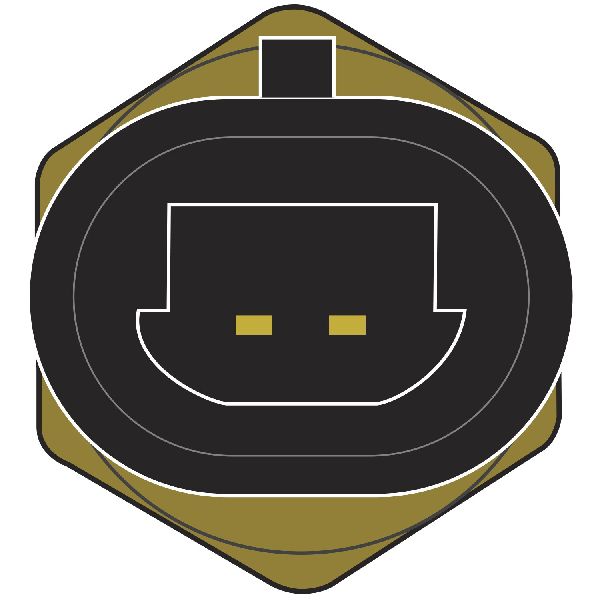
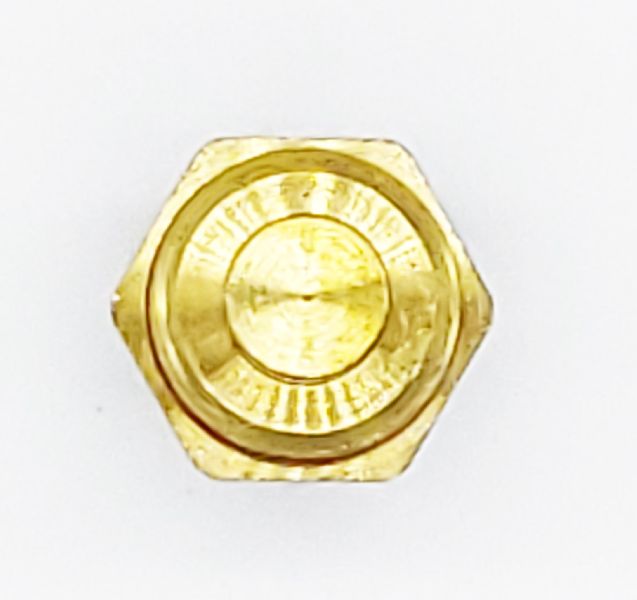
Thread Size: 3/8" - 18 NPTF. Hex Size: 3/4" (19mm). Connector: 2-pin oval.
We Have This Part in Stock


The information in this article is provided for general reference and educational purposes only. Vehicle specifications, procedures, and part compatibility can vary by production date, trim level, and region. Always consult your vehicle's factory service manual and verify part numbers before purchasing or performing repairs. Safety-critical components such as airbags, seat belts, and braking systems should be installed by a qualified professional.
- GMC Safari: