

Throttle Position Sensor Guide for the 1985-1994 Lincoln Continental
Solve engine hesitation, rough idling, and poor shifting by understanding and replacing your Continental's Throttle Position Sensor.
- You must order the correct TPS for your engine: 5.0L V8 (1985-87) or 3.8L V6 (1988-94).
- Symptoms like hesitation, poor shifting, and rough idle are classic signs of a failing TPS.
- Replacement is a simple DIY job for most owners, requiring basic tools.
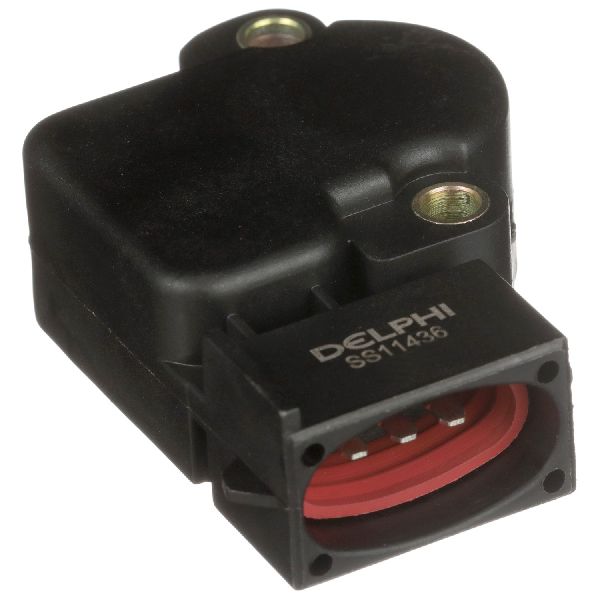
- Choosing a quality aftermarket brand like Delphi or Standard Motor Products is recommended for reliability.
Understanding Your Continental's Throttle Position Sensor
The 1985-1994 Lincoln Continental covers two different vehicle platforms with two different engines. It is very important to know which one you have before ordering a part.
- 1985-1987 Lincoln Continental: These models use the rear-wheel-drive Fox platform with the 5.0L V8 engine.
- 1988-1994 Lincoln Continental: These models use the front-wheel-drive D186 platform with the 3.8L V6 engine.
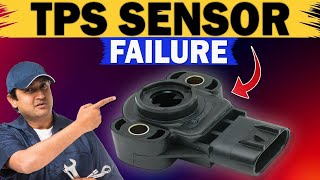
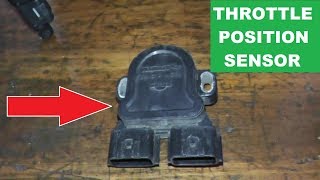
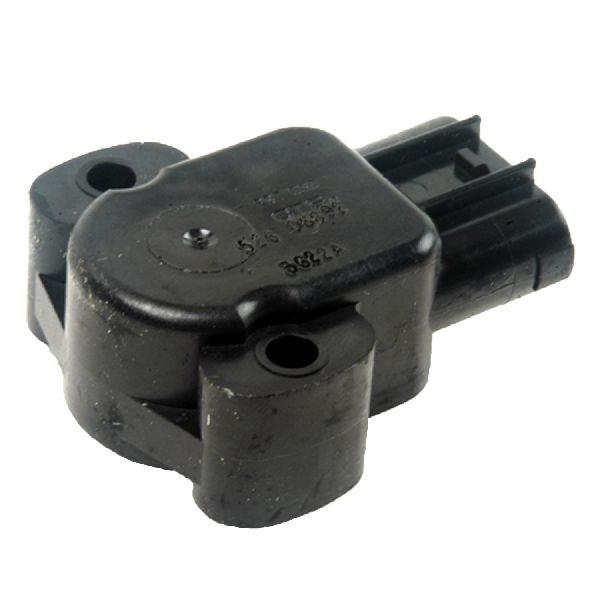
The Throttle Position Sensor (TPS) is not the same for these two engine types. You must order the part that is specific to your engine. The TPS works by sending a changing voltage signal to the engine computer as the throttle plate opens and closes. When this sensor wears out, the signal can become erratic, causing many frustrating driving problems.
Common Symptoms of a Failing TPS
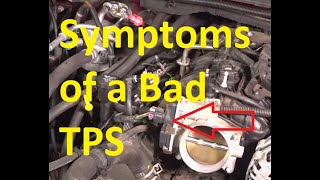
A bad TPS can make your Continental difficult to drive. The symptoms often start small and get worse over time. Look out for these common issues:
- Hesitation or Stumbling: When you press the gas pedal, the car might hesitate or feel like it's losing power before it accelerates.
- Rough or High Idle: The engine might idle unevenly, too fast, or surge up and down on its own.
- Poor or Erratic Shifting: The automatic transmission may shift gears at the wrong time, shift harshly, or delay shifting.
- Engine Stalling: The engine may stall when you come to a stop or take your foot off the gas pedal.
- Check Engine Light: A failing TPS can trigger the Check Engine Light. On these pre-1996 vehicles, you will have OBD-I codes, not the common P-codes. Codes related to the TPS include 23, 53, and 63.
Known Issues: Recalls and TSBs
While there are no specific recalls for the Throttle Position Sensor itself on these models, there was a recall for the 1986 model year concerning the throttle body. Debris from manufacturing could cause the throttle to stick. Additionally, a recall for 1992-1994 models noted that a frozen speed control cable could cause the throttle to stick open. While not a direct TPS failure, these issues relate to the throttle system and can cause dangerous acceleration problems.
Choosing the Right Aftermarket TPS
Since original Motorcraft parts for this era can be hard to find, the aftermarket is your most likely source. The quality can vary, so it's important to choose a reputable brand.
Tier 1: Trusted OEM Suppliers & Major Brands
- Delphi: Delphi is a well-regarded brand that is an original equipment manufacturer (OEM) for many car companies. They are known for producing reliable electronic components that meet or exceed original specifications. This is often a top choice for a quality replacement part.
- NGK: While famous for spark plugs, NGK also produces a range of high-quality sensors. They are a trusted name in the industry, though some users have reported occasional out-of-the-box issues with their sensors.
- Standard Motor Products (SMP): SMP has been a major aftermarket brand for a long time. They offer parts that are designed to match the original's performance. It's a solid choice for a replacement sensor.
Tier 2: Economy & Repackaged Brands
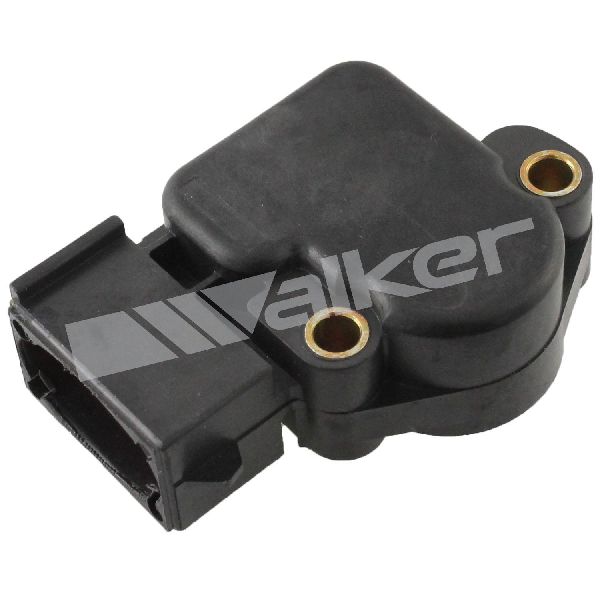
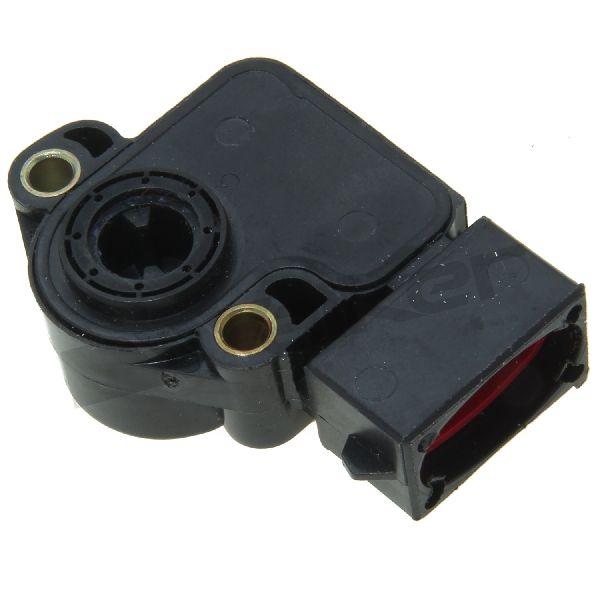
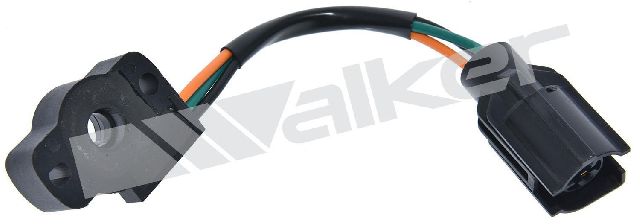
- Walker Products: Walker is another established aftermarket brand. Their parts are generally considered a standard replacement option and can be a good value.
- Global Parts: This brand typically falls into the economy or standard replacement category. Quality can be more variable compared to premium brands like Delphi or NGK.
Pro Tip: For a critical sensor like the TPS, spending a little more on a premium brand like Delphi or Standard Motor Products can prevent you from having to do the job twice. Given the age of these vehicles, ensuring a reliable signal to the computer is key to keeping them running smoothly.
Cost of Replacing the Throttle Position Sensor
| Part Type | Cost Range | Notes |
|---|---|---|
| New Aftermarket | $41.87 - $87.22 | Price depends on brand and your specific model year. |
| Shop Labor | $75 - $150 | Typically less than 1 hour of labor. A straightforward job for any mechanic. |
| Total (DIY) | $41.87 - $87.22 | You only pay for the part. |
| Total (Shop) | $116.87 - $237.22 | Includes part and labor. | 🎬 Watch this video for more on TPS symptoms and costs.
Frequently Asked Questions
Is replacing the TPS a good DIY job?
Yes, for most home mechanics this is a very feasible job. The TPS is usually located on the side of the throttle body and held on by two screws. It's easily accessible. The main tools needed are a screwdriver or small socket set. The most important part is ensuring you get the correct part for your 5.0L V8 or 3.8L V6 engine.
Do I need to adjust the new TPS?
For some older Ford models, particularly the 5.0L V8, the new TPS may need to be adjusted to ensure the correct voltage reading at idle (usually around 0.9 to 1.0 volts). This is done by slightly rotating the sensor before tightening the screws and checking the voltage with a multimeter. 🎬 See how to properly replace and adjust your new sensor. For the 3.8L V6, it is often a direct bolt-on part without adjustment needed. Always check the instructions that come with your new part.
Can I just clean my old TPS?
No. The TPS is a sealed electronic sensor. The failure happens inside as the internal contacts wear out, creating dead spots in the voltage signal. Cleaning the outside will not fix the problem. The sensor must be replaced.
What happens if I order the wrong part?
The TPS for the 5.0L V8 (1985-1987) and the 3.8L V6 (1988-1994) are physically different and have different electrical connectors and voltage ranges. The wrong part will not fit or will not work correctly, and your engine will continue to have performance problems. Double-check your vehicle's year and engine before ordering.
Helpful Videos

Technical Specifications
Varies by engine. The 1985-1987 5.0L V8 uses a 3-pin bullet-style connector and may be adjustable. The 1988-1994 3.8L V6 uses a different style connector and is typically non-adjustable. Both are potentiometer-type sensors mounted to the throttle body.
We Have This Part in Stock


The information in this article is provided for general reference and educational purposes only. Vehicle specifications, procedures, and part compatibility can vary by production date, trim level, and region. Always consult your vehicle's factory service manual and verify part numbers before purchasing or performing repairs. Safety-critical components such as airbags, seat belts, and braking systems should be installed by a qualified professional.
- Lincoln Continental: