

Throttle Position Sensor (TPS) for 1985-1994 Lincoln Town Car: A Comprehensive Guide
Solving hesitation, poor shifting, and stalling issues in your classic Lincoln Town Car starts here.
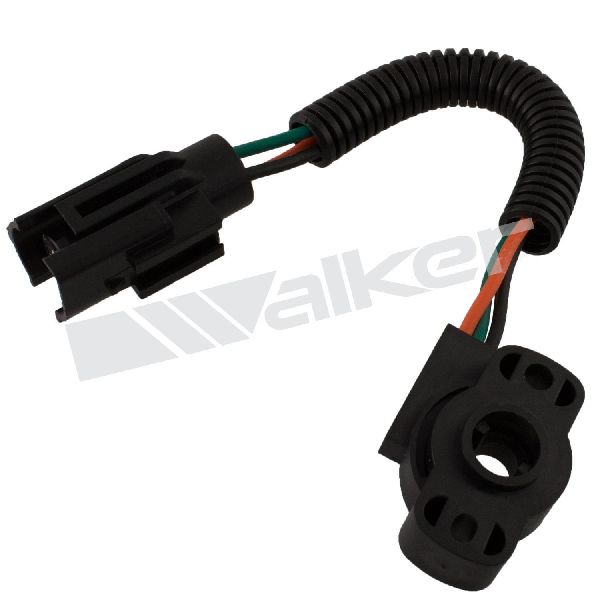
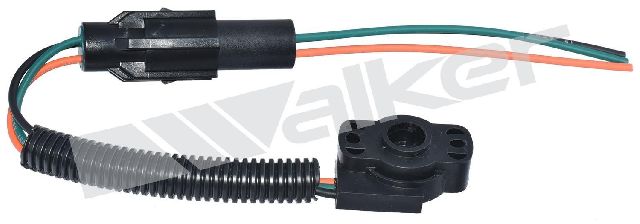
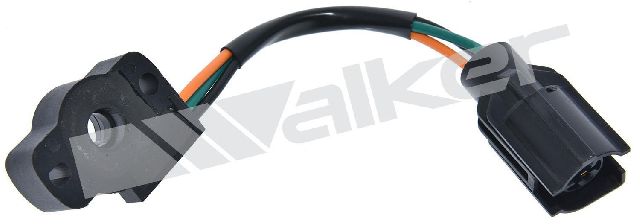
- You must order the correct TPS for your engine: 5.0L (1985-1990) or 4.6L (1991-1994).
- Symptoms like hesitation, poor shifting, and stalling are classic signs of a failing TPS.
- Replacement is a simple DIY job for most owners, requiring basic tools.
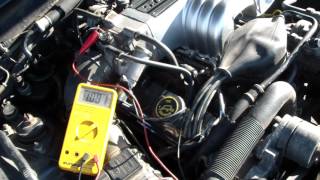
- For 5.0L models, you may need to adjust the new sensor with a multimeter to ensure correct idle voltage.
Understanding Your Town Car's Throttle Position Sensor
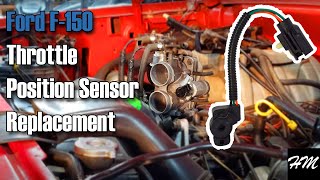
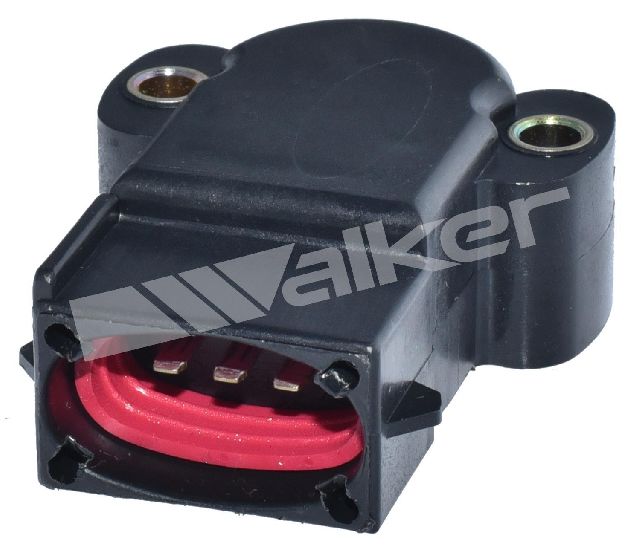
The Throttle Position Sensor (TPS) is a key sensor for your Lincoln's engine. It is mounted on the throttle body and monitors the position of the throttle plate, which opens and closes as you press the gas pedal. This information, sent as a voltage signal to the engine computer, is critical for controlling fuel injection, ignition timing, and automatic transmission shifting. A failing TPS can cause a wide range of frustrating drivability problems.
Important Year-Specific Information
The 1985-1994 Lincoln Town Car spans two major engine types, which use different Throttle Position Sensors. It is critical to order the correct part for your vehicle's year and engine.
- 1985-1990 Lincoln Town Car: Equipped with the 5.0L V8 engine.
- 1991-1994 Lincoln Town Car: Equipped with the 4.6L V8 engine.
Always verify the part fitment for your specific year before purchasing.
Common Symptoms of a Failing TPS
When a TPS starts to fail, it sends incorrect or erratic signals to the computer. This can lead to a variety of symptoms that may appear intermittently at first. Owners have reported numerous issues related to a bad TPS.
- Hesitation or Stumbling on Acceleration: The car may bog down or hesitate when you press the gas pedal.
- Erratic or Harsh Shifting: The transmission may shift at the wrong times, slam into gear, or delay shifting.
- Poor or Surging Idle: The engine may idle too high, too low, or surge up and down unexpectedly.
- Stalling: The engine may stall when you take your foot off the gas or come to a stop.
- Check Engine Light: A failing TPS can trigger a Check Engine Light and store diagnostic trouble codes. On these OBD-I vehicles, codes like 23, 53, 63, or 121 may be present.
- Reduced Engine Power: The car may feel sluggish and down on power.
Choosing the Right Aftermarket TPS
For a vehicle of this age, aftermarket parts offer excellent value. However, quality can vary. Motorcraft is the original equipment (OE) manufacturer for Ford/Lincoln and serves as the quality benchmark. Many aftermarket brands provide reliable alternatives.
| Brand Tier | Brands | General Assessment |
|---|---|---|
| Premium Aftermarket | Motorcraft, NGK, Standard Ignition (SMP) | These brands are known for producing high-quality sensors that meet or exceed OE specifications. Motorcraft is the original part. Standard Ignition is a well-respected OE supplier and aftermarket manufacturer. They are often considered the most reliable choices for a long-term repair. |
| Standard Aftermarket | Walker Products, Dorman, Global Parts | These brands offer a good balance of quality and value. Walker Products is a certified manufacturer with a focus on engine management parts. Dorman is known for its wide availability and "OE Fix" solutions that sometimes improve on the original design. For many owners, these parts provide a perfectly acceptable and cost-effective repair. |
| Economy | URO Parts, other value brands | These parts are typically the most affordable. While they can function correctly, their long-term durability and consistency may not match that of the premium or standard tiers. They can be a viable option for a budget-conscious repair. |
A Note on Installation and Adjustment
On some earlier 5.0L models, the TPS may be adjustable. This involves using a multimeter to set the sensor's baseline voltage to a specific value (often just under 1.0 volt at idle 🎬 Watch: How to adjust the TPS voltage on 5.0L engines) to ensure the computer receives the correct signal. Non-adjustable sensors are designed to work correctly right out of the box. Always check the replacement procedure for your specific year.
Frequently Asked Questions (FAQ)
Do I need special tools to replace the TPS?
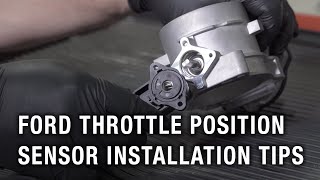
Basic hand tools like a screwdriver (Phillips or Torx) and a small ratchet are usually all that's needed. For adjustable sensors, a digital multimeter is required to set the voltage correctly. The sensor is located on the side of the throttle body and is typically held on by two screws.
🎬 Watch: Pro tips for installing your new throttle position sensorAre there any recalls for the Town Car TPS?
Based on searches of the National Highway Traffic Safety Administration (NHTSA) database, there are no specific recalls for the throttle position sensor on the 1985-1994 Lincoln Town Car. Most issues are due to age and wear.
Should I clean my old TPS or just replace it?
The TPS is a sealed electronic component and is not designed to be cleaned internally. The problems arise from internal wear on the resistive strip, not external dirt. If the sensor is faulty, it must be replaced. You should, however, clean the throttle body bore and plate while you have access.
What are the OBD-I codes for a bad TPS?
For these pre-1996 vehicles, you will have OBD-I codes, not the P-codes common today. Common TPS-related codes include Code 23 (TPS out of range), Code 53 (TPS circuit high), Code 63 (TPS circuit low), and Code 121 (Closed throttle TPS voltage out of range). These codes are retrieved using a specific procedure, often called a Key On, Engine Off (KOEO) test.
🎬 See how to pull OBD-I codes using the paper clip trickHelpful Videos
Technical Specifications
OEM Part Numbers: F2AZ9B989A F4SZ9B989AA
3-pin electrical connector. Mounts to the side of the throttle body. Operates on a 5-volt reference signal. Different clocking/rotation for 5.0L vs 4.6L engines.
We Have This Part in Stock


The information in this article is provided for general reference and educational purposes only. Vehicle specifications, procedures, and part compatibility can vary by production date, trim level, and region. Always consult your vehicle's factory service manual and verify part numbers before purchasing or performing repairs. Safety-critical components such as airbags, seat belts, and braking systems should be installed by a qualified professional.
- Lincoln Town Car: