

Nissan Maxima Engine Mounts (1985-1994): A Complete Replacement Guide
Feeling excessive vibrations or hearing clunks from your engine bay? It might be time to replace your Maxima's engine mounts.
- The most common signs of failure are heavy vibration at idle and loud clunking noises during acceleration.
- For a lasting repair, it is best to replace all engine and transmission mounts as a complete set.
- Driving with broken mounts can cause additional damage to your exhaust system and CV joints.
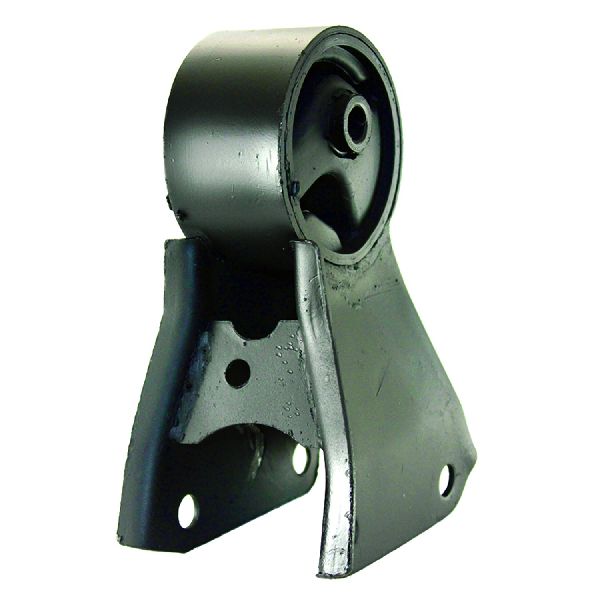
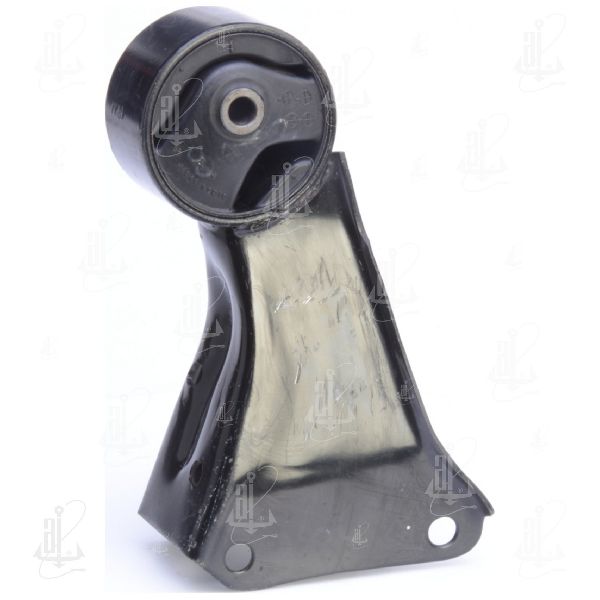
- Aftermarket brands like Anchor, DEA, and Westar are budget-friendly options, but may increase cabin vibration slightly compared to original parts.
Symptoms of Failing Engine Mounts
When your Maxima's engine mounts start to fail, the signs are usually noticeable. Ignoring them can lead to more stress on other parts, like the CV joints and exhaust system. Here’s what to look and listen for:
- Excessive Vibration: This is the most common symptom. You'll feel a deep vibration through the steering wheel, floor, or seats, especially when idling in gear. The vibration might lessen when the car is in Park or Neutral.
- Loud Noises: A clunking, banging, or thumping sound when you accelerate, shift gears (from Park to Drive, for example), or go over bumps is a strong sign of a bad mount. This noise is the engine moving and hitting other components.
- Engine Movement: If you have a helper, you can check for this visually. With the hood open and the parking brake on, have them hold the brake pedal and shift between Drive and Reverse. If you see the engine rock or lift excessively, the mounts are likely worn out.
- Visual Damage: Sometimes, you can see the damage. Look for cracked, torn, or separated rubber on the mounts. Oil-soaked rubber is also a bad sign, as fluids will cause the material to degrade quickly.
Don't Mistake Normal for Faulty
Some later model Nissans have engine mounts designed with some free play, which can cause a single "thunk" noise on the first few accelerations of the day. While this TSB applies to newer models, it's a reminder that not every noise indicates a catastrophic failure. However, for the 1985-1994 Maxima, persistent clunks and heavy vibration are definite signs of a problem.
Choosing the Right Aftermarket Mounts
For a vehicle of this age, OEM parts from Nissan may be difficult to find or discontinued. The aftermarket is your most likely source. The brands available—Anchor, DEA, Pioneer, and Westar—are generally considered economy to standard-grade options.
- OEM vs. Aftermarket: Original mounts often use softer rubber or are filled with silicone gel for better vibration dampening. Budget aftermarket mounts are typically solid rubber, which can be stiffer. This might lead to slightly more cabin vibration at idle compared to brand-new OEM mounts, but they will still be a massive improvement over completely failed mounts.
- Brand Tiers & Quality: Reviews on brands like Anchor, DEA, and Westar are often mixed. Some users report they work fine for daily driving, while others experience premature failure or fitment issues. Since these are low-tech parts for an older vehicle, they are generally considered a cost-effective solution. The consensus is that while they may not last as long as OEM, they provide a functional and affordable repair.
Replace Mounts as a Set
Your Maxima has multiple engine and transmission mounts. When one fails, it puts extra stress on the others, causing them to fail sooner. It is highly recommended to replace all the mounts at the same time to ensure proper engine alignment and a lasting repair.
Replacement Cost Overview
The cost to replace engine mounts can vary widely based on whether you do the work yourself or hire a professional. The parts themselves are affordable, but labor can be significant.
| Part/Service | Estimated Cost |
|---|---|
| New Aftermarket Mounts | $22.73 - $85.07 (per mount or for a kit) |
| Shop Labor | $200 - $500+ |
| Total Professional Job | $224 - $563+ |
Frequently Asked Questions (FAQ)
How many engine mounts does my 1985-1994 Maxima have?
These cars typically have a system of three or four mounts that secure both the engine and the transmission. This includes front, rear, and side mounts, some of which may be torque struts designed to control rotational movement. It's common to find them sold in kits of 3 or 4 pieces.
Is replacing engine mounts a DIY job?
It can be, but it requires proper tools and safety precautions. You will need a good set of wrenches, sockets with long extensions, a floor jack to support the engine, and jack stands to safely secure the vehicle. Accessing some bolts, especially for the rear mount, can be very difficult and may require removing other components like the crossmember. For a novice, this job can be challenging.
Will a bad engine mount cause a check engine light?
It's possible, but not common. Severe vibrations from a failed mount can sometimes be misinterpreted by the car's computer, potentially triggering false knock sensor or misfire codes.
What happens if I don't replace a bad engine mount?
Continuing to drive with a broken mount can cause damage to other parts. The constant movement can stress and break exhaust components, damage CV axles, and harm other nearby hoses and wiring. It's a repair that should not be put off for too long.
Technical Specifications
OEM Part Numbers: 11320-40U00
The 1985-1994 Nissan Maxima uses a set of multiple mounts, typically including front, rear, and side mounts, to secure the engine and transaxle. These are generally made of a solid rubber and metal construction. Some aftermarket kits bundle 3 or 4 mounts together for a complete replacement.
We Have This Part in Stock


The information in this article is provided for general reference and educational purposes only. Vehicle specifications, procedures, and part compatibility can vary by production date, trim level, and region. Always consult your vehicle's factory service manual and verify part numbers before purchasing or performing repairs. Safety-critical components such as airbags, seat belts, and braking systems should be installed by a qualified professional.
- Nissan Maxima: