

Nissan Maxima Mass Air Flow Sensor Guide for 1985-1994 Models
Solving stalling, rough idle, and power loss in your second or third-generation Maxima starts here.
- Verify if you have a 2nd Gen (85-88) or 3rd Gen (89-94) Maxima, as the MAF sensors are different.
- Avoid the cheapest, no-name aftermarket sensors; choose a quality brand like Delphi or Walker to prevent further issues.
- Before replacing the part, inspect the rubber air intake hose for cracks, as this can cause identical symptoms.
- This is a very simple DIY replacement that can be done in under 30 minutes with basic tools.
Is Your 1985-1994 Maxima Stalling or Running Rough?
A failing Mass Air Flow (MAF) sensor is a common problem on older Nissans, including the 1985-1994 Maxima. When this sensor goes bad, it sends incorrect information to the engine's computer. This can cause a range of frustrating problems, from a shaky idle to the engine completely shutting off at a stoplight. Because this part is so important for engine performance, replacing a faulty one can make your car feel like new again.
Symptoms of a Bad MAF Sensor
- Stalling: The engine may stall when you come to a stop or when idling.
- Rough Idle: The engine may shake or sputter when the car is not moving.
- Hesitation and Power Loss: The car may jerk, hesitate, or feel sluggish when you accelerate. In some cases, the engine may refuse to rev past 2,000-2,500 RPM, a condition known as "limp mode."
- Poor Fuel Economy: You might notice you're filling up the gas tank more often.
- Black Smoke: Smoke from the exhaust pipe can indicate the engine is running too rich (too much fuel) due to a bad MAF reading.
- Check Engine Light: On these models, a failing MAF sensor will typically trigger Code 12 from the ECU (Engine Control Unit).
Pro Tip: Check for Vacuum Leaks First
Before replacing the MAF sensor, carefully inspect the large, flexible rubber air intake boot that connects the sensor housing to the engine. On older cars, this boot can develop cracks. These cracks allow unmeasured air to enter the engine, which can mimic the symptoms of a bad MAF sensor. This is a common issue that is often overlooked.
Choosing the Right Aftermarket MAF Sensor
When it comes to electronic sensors on Nissans, quality matters. Forum discussions and mechanic advice consistently warn against using the cheapest, unbranded MAF sensors, as they are often unreliable and can cause new problems. Since genuine Nissan parts for this vehicle are discontinued, choosing a quality aftermarket brand is key.
Aftermarket Brand Tiers
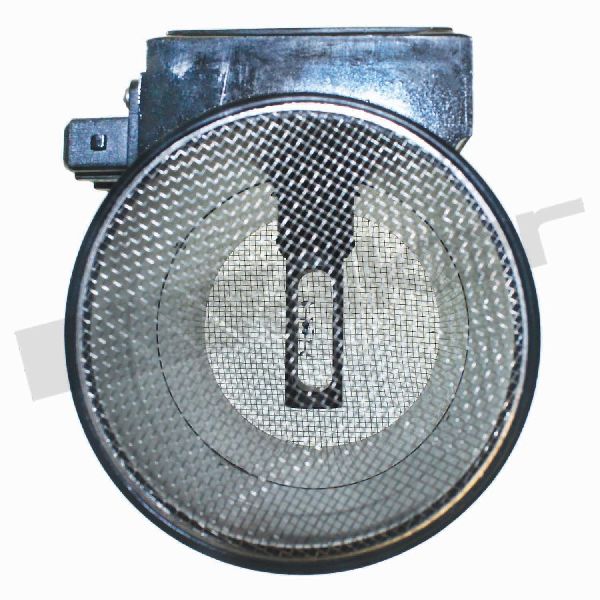
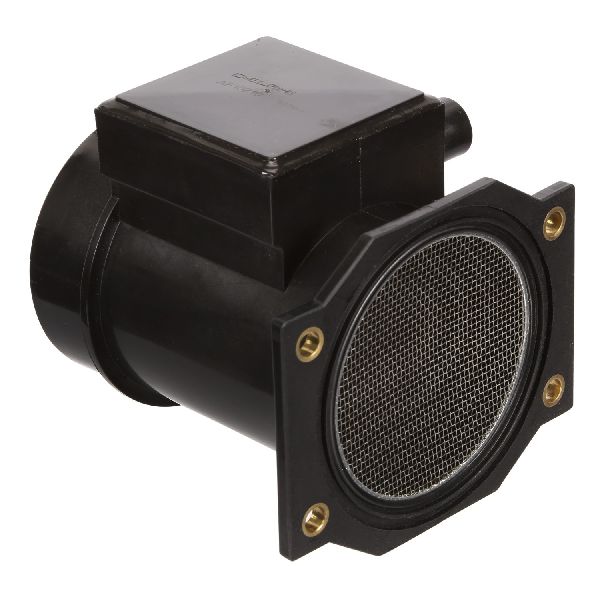
- Tier 1 (Higher Quality): Brands like Delphi and Walker Products have a strong reputation. Delphi is a known OEM supplier for many car manufacturers, and their parts are built to high standards. Walker Products emphasizes its testing and quality control, with some positive user reviews backing this up.
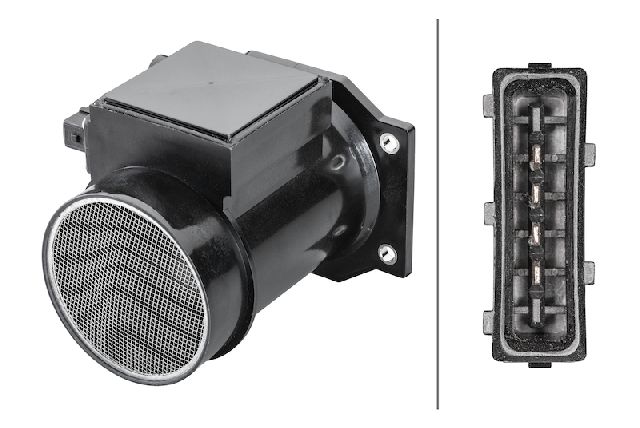
- Tier 2 (Standard/Remanufactured): Brands like Cardone and Hella fall into this category. Cardone is well-known for remanufactured parts, which can be a cost-effective option, but quality can sometimes be inconsistent with electronic components. Hella is a major parts supplier, but specific feedback for this application is limited.
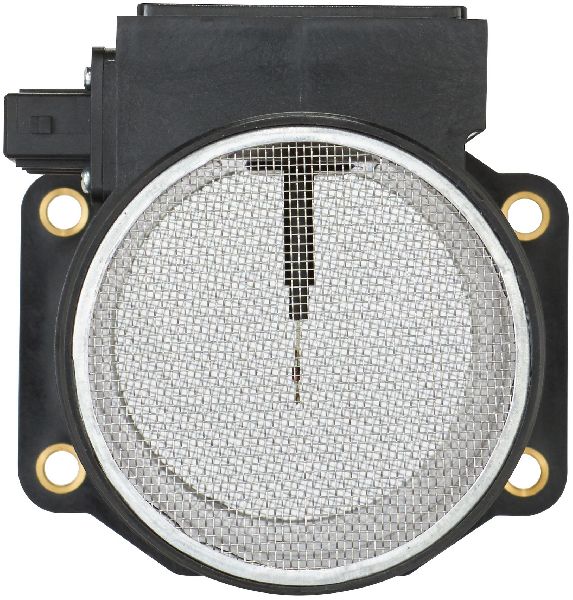
- Tier 3 (Use with Caution): Brands like Spectra and other low-cost, unbranded options have a higher risk of being defective out of the box or failing prematurely. While the low price is tempting, they can lead to more diagnostic headaches.
Warning: Check Your Vehicle Generation!
The MAF sensor for the 2nd Generation Maxima (1985-1988) is a different part than the one used on the 3rd Generation (1989-1994). They are not interchangeable. Double-check the part number and vehicle fitment before ordering to avoid getting the wrong sensor. Common part numbers for the 1989-1994 models are 22680-16V00 and A36-000-N60.
Cost of Replacing a Mass Air Flow Sensor (1985-1994 Maxima)
| Part Type | Estimated Cost |
|---|---|
| New Aftermarket | $44 - $196 |
| Remanufactured | $60 - $120 |
| Used OEM (Junkyard) | $50 - $150 |
| New OEM (Discontinued) | $450 - $650+ |
| Shop Labor | $50 - $150 |
Cost estimates are for parts and labor and can vary by location and supplier. OEM parts are generally no longer available new.
Frequently Asked Questions (FAQ)
Can I just clean my old MAF sensor?
Sometimes, cleaning the sensor's delicate wire with a dedicated MAF sensor cleaner spray can solve the problem, especially if the issues are minor. However, if the sensor's electronics have failed internally, cleaning will not help, and the part must be replaced. Given the low cost of a new part, replacement is often a more reliable long-term fix.
Is this a difficult part to replace myself?
No, this is a very easy DIY job. The MAF sensor is held in the air intake tube by two screws and has one electrical connector. The entire job can usually be done in under 30 minutes with basic hand tools like a screwdriver.
Why shouldn't I just buy the cheapest MAF sensor available?
The MAF sensor provides a precise signal that is critical for engine operation. Cheaply made sensors often do not match the original factory calibration. This can lead to persistent running issues, poor performance, and a recurring Check Engine Light, costing you more time and money in the long run.
What is the difference between a sensor-only and a full assembly?
Some aftermarket parts are sold as just the small sensor element, which you must install into your old MAF housing. Others are sold as a complete assembly, including the housing. For this vehicle, most aftermarket options are complete assemblies, which is the easiest and most reliable way to perform the replacement.
Technical Specifications
OEM Part Numbers: 22680-16V00 A36-000-N60 22680-53A00 22680-43E00
Fits 1985-1994 Nissan Maxima. Note part number differences between 1985-1988 (2nd Gen) and 1989-1994 (3rd Gen) models. The sensor is located in the air intake tract between the air filter housing and the throttle body.
We Have This Part in Stock



The information in this article is provided for general reference and educational purposes only. Vehicle specifications, procedures, and part compatibility can vary by production date, trim level, and region. Always consult your vehicle's factory service manual and verify part numbers before purchasing or performing repairs. Safety-critical components such as airbags, seat belts, and braking systems should be installed by a qualified professional.
- Nissan Maxima:
- 🛍️ Shop This Part
- Is Your 1985-1994 Maxima Stalling or Running Rough?
- Symptoms of a Bad MAF Sensor
- Pro Tip: Check for Vacuum Leaks First
- Choosing the Right Aftermarket MAF Sensor
- Aftermarket Brand Tiers
- Warning: Check Your Vehicle Generation!
- Cost of Replacing a Mass Air Flow Sensor (1985-1994 Maxima)
- Frequently Asked Questions (FAQ)
- 🎟️ Get 5% Off