

Throttle Position Sensor (TPS) Guide for the 1985-1994 Plymouth Colt
Solve common idling, stalling, and acceleration problems by understanding how to choose the right aftermarket TPS for your Colt.
- A failing TPS is a common cause of hesitation, stalling, and rough idling on the 1985-1994 Colt.
- Choosing a premium aftermarket brand like Standard Ignition or NGK may offer better long-term reliability than cheaper options.
- You must verify the pin count (3 or 4 pins) on your old sensor before ordering a replacement to ensure correct fitment.
- A new TPS will likely need to be adjusted with a multimeter to set the correct idle voltage for proper engine performance.
Symptoms of a Failing Throttle Position Sensor
When a TPS starts to wear out, it sends erratic or incorrect voltage signals to the engine computer. This can cause a number of frustrating problems that often start intermittently. Because the Plymouth Colt is a rebadged Mitsubishi Mirage, symptoms are shared across both vehicles. Common signs of a bad TPS include:
- Unstable or Rough Idle: Your engine may idle too high, surge up and down, or feel shaky at a stop.
- Hesitation and Stalling: The car may hesitate, stumble, or even stall when you accelerate or come to a stop. This happens because the computer gets confused by the bad signal and can't provide the right fuel mixture.
- Poor Acceleration: You might feel a lack of power, a delay when you press the gas, or sudden, unexpected surges in speed.
- Automatic Transmission Problems: If you have an automatic, a bad TPS can cause hard shifts, delayed shifting, or shifting at the wrong times.
- Check Engine Light: A failing TPS will often trigger the Check Engine Light. On later models, this may be accompanied by codes like P0120 (TPS Circuit Malfunction).
Water Damage is a Common Killer
The TPS is an electronic sensor that is sensitive to moisture. Power washing the engine bay or driving through deep water can cause it to fail prematurely.
Choosing the Right Aftermarket TPS Brand
Since original OEM parts for the 1985-1994 Colt are scarce, you will be choosing from aftermarket brands. Quality can vary, so it's important to know the difference.
- Premium Aftermarket (Standard Ignition, NGK): Brands like Standard Motor Products (SMP) and NGK are often considered higher-quality replacements. They focus on meeting or exceeding original specifications and use quality materials for better durability and more accurate sensor readings. While they cost more than economy brands, they are a good investment for reliability.
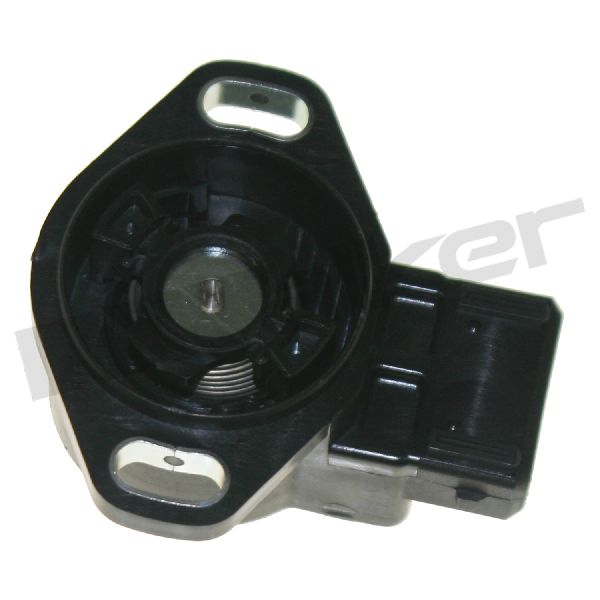
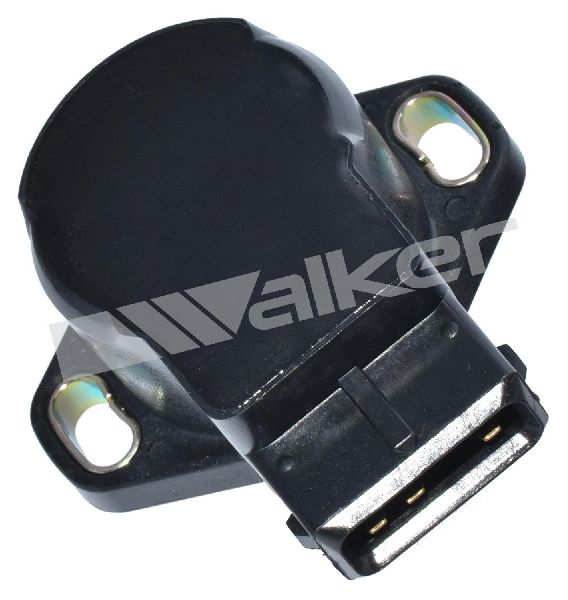
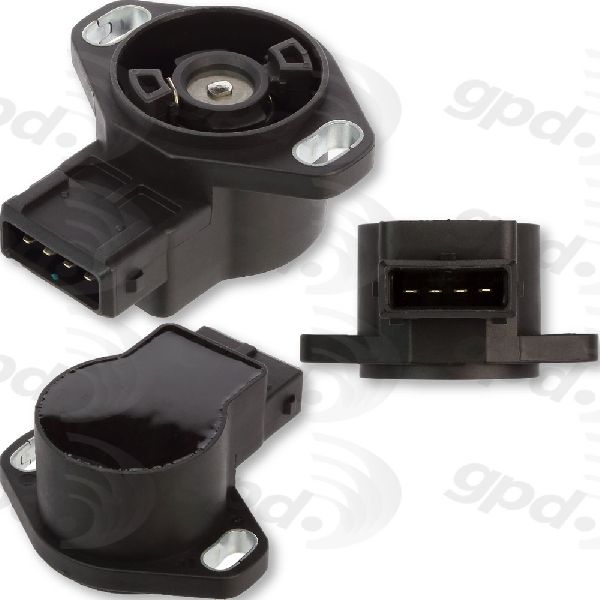
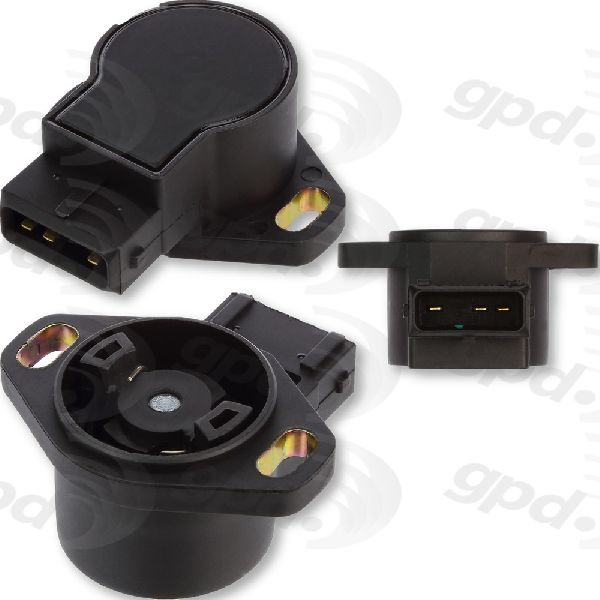
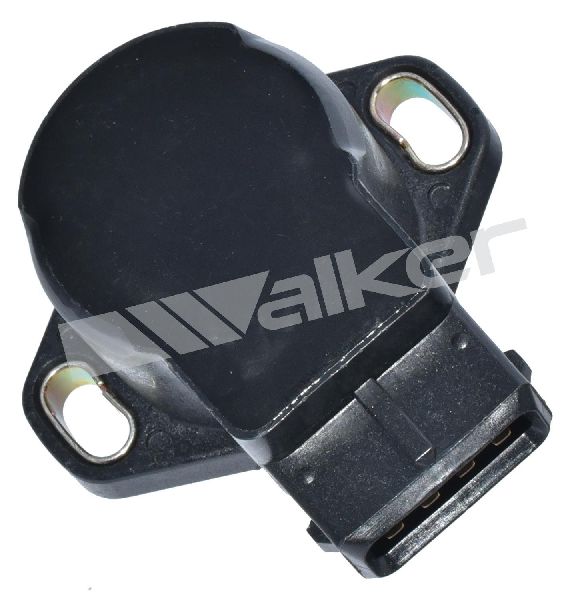
- Standard Aftermarket (Walker Products, Global Parts): These brands offer a balance of quality and price. They are a popular choice for daily drivers and generally provide reliable performance. Walker Products is a well-known name in aftermarket engine management parts.
- Economy Aftermarket (Replacement): Often sold as house brands or under the name "Replacement," these are the most affordable options. While they can work, forum users sometimes report that cheaper sensors may fail more quickly or have less precise readings, leading to the Check Engine Light returning. They can be a solution if budget is the primary concern, but be aware of the potential for a shorter service life.
Verify Your Pin Count!
The Plymouth Colt used different engines and systems over its 10-year run. Some TPS units have 3 pins, while others have 4. Always confirm the pin count on your existing sensor before ordering a new one to avoid getting the wrong part.
Typical Costs for a New Throttle Position Sensor
| Part Type | Estimated Cost |
|---|---|
| New Aftermarket | $40 - $116 |
| Shop Labor | $60 - $120 |
| New OEM | Generally unavailable |
| Used OEM | $20 - $50 (Junkyard/eBay, quality not guaranteed) |
Frequently Asked Questions
Where is the TPS located on my Plymouth Colt?
The Throttle Position Sensor is always mounted directly on the side of the throttle body, which is where the air intake hose connects to the engine. It is a small, black plastic sensor held on by two screws with an electrical connector plugged into it.
Do I need to adjust or calibrate the new TPS?
Yes, on these vehicles, adjustment is often necessary. The mounting holes on the sensor are slotted to allow for slight rotation. After installing the new sensor, you may need to use a multimeter to measure the voltage at the signal wire with the throttle closed and adjust the sensor's position until the voltage is within the factory specification. Without proper adjustment, you may still experience idle or performance issues.
Can I just clean my old TPS instead of replacing it?
No, cleaning the TPS is not an effective repair. The sensor fails because the internal electronic components wear out, creating dead spots in the signal. This is an internal failure, and cleaning the outside of the sensor will not fix it. If the sensor is bad, it must be replaced.
Are there any recalls for the Plymouth Colt TPS?
No, searches of the National Highway Traffic Safety Administration (NHTSA) database show no specific recalls for the throttle position sensor on the 1985-1994 Plymouth Colt. There was a recall for 1992-1993 models related to door latches, but not the TPS.
Technical Specifications
OEM Part Numbers: MD614488 MD614662 MD614327
Located on the throttle body. Typically a 3-pin or 4-pin variable resistor (potentiometer) that sends a 0-5V signal to the ECU.
We Have This Part in Stock


The information in this article is provided for general reference and educational purposes only. Vehicle specifications, procedures, and part compatibility can vary by production date, trim level, and region. Always consult your vehicle's factory service manual and verify part numbers before purchasing or performing repairs. Safety-critical components such as airbags, seat belts, and braking systems should be installed by a qualified professional.
- Plymouth Colt: